
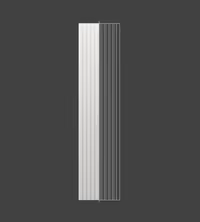
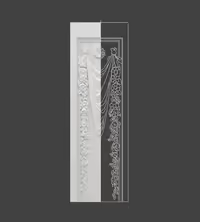
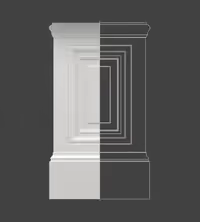
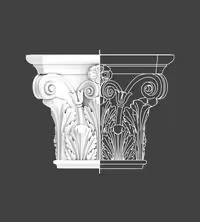

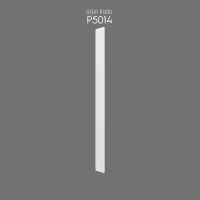
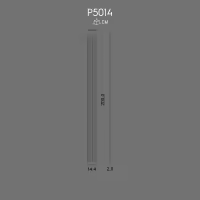
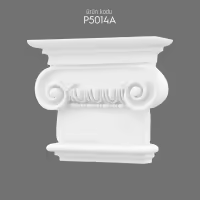
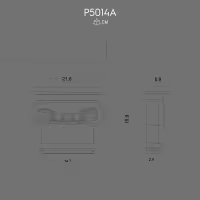





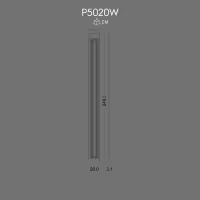


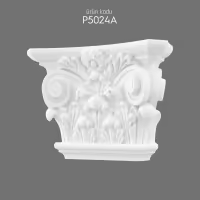
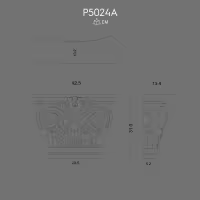
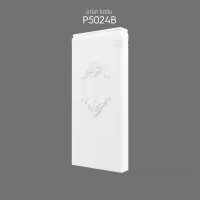




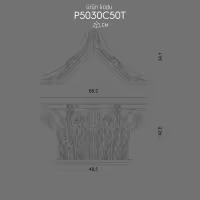
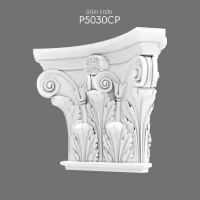
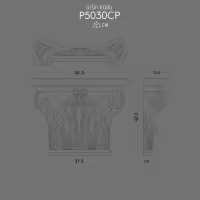
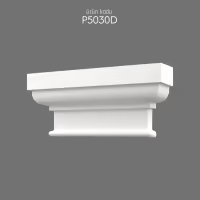
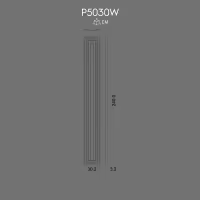
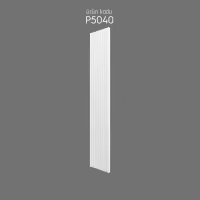
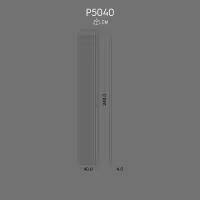
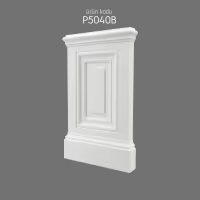
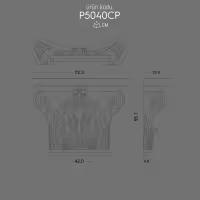
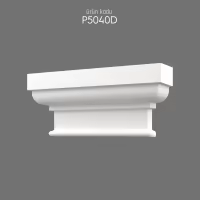
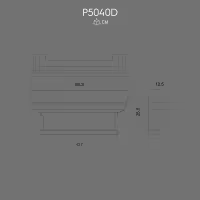
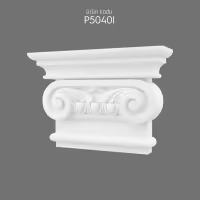
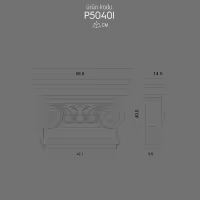
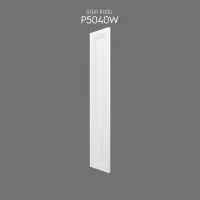
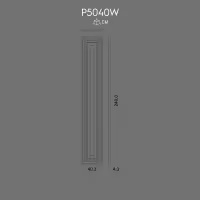


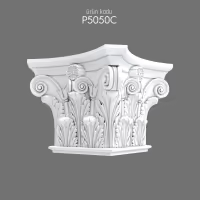
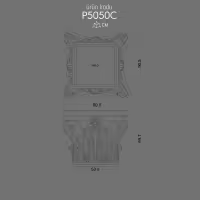
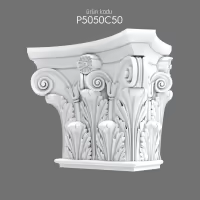
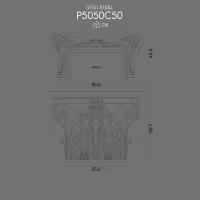
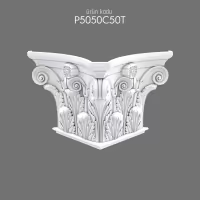
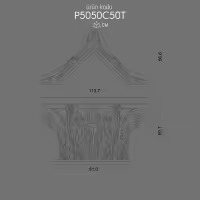
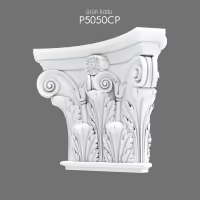
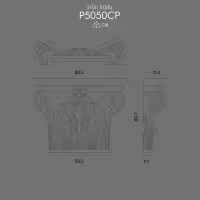
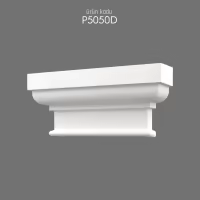
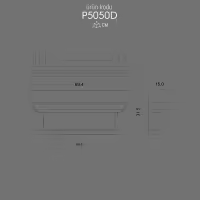
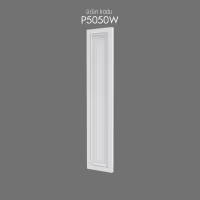
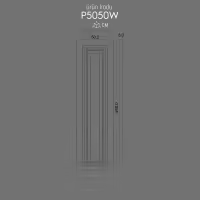
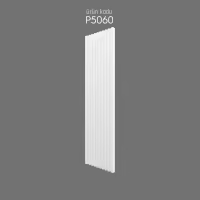
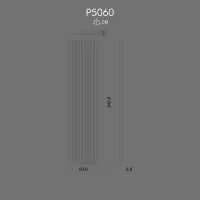
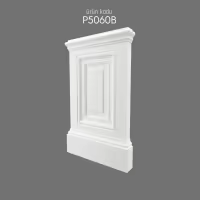
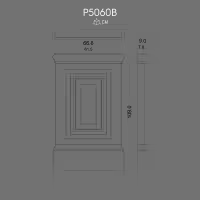
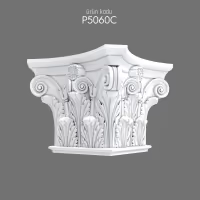
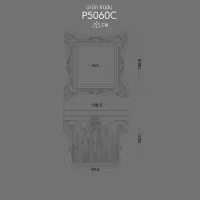
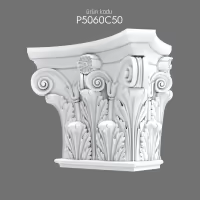
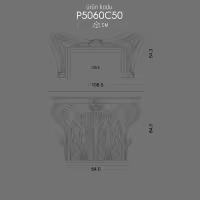
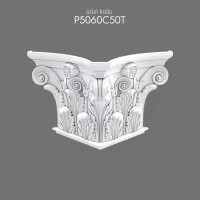
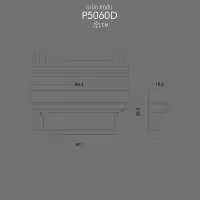
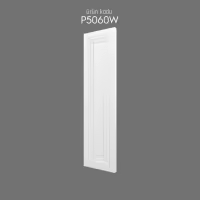
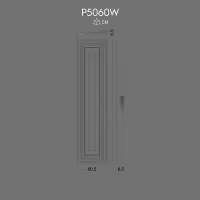


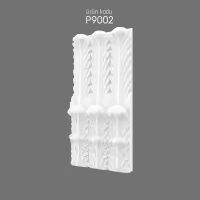
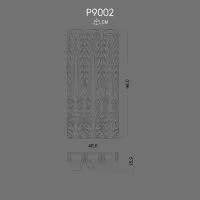
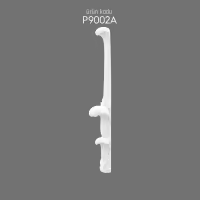
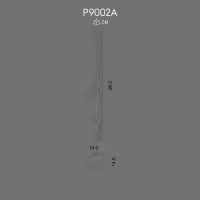
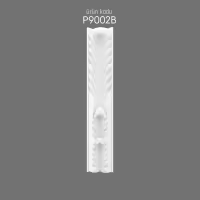
For professionals and homeowners seeking to blend classical aesthetics with modern touches in architectural projects, Polure's Pilaster Columns are reinterpreted with high-density material. These decorative elements, designed to be integrated into wall surfaces, add depth and character to spaces while eliminating the bulk and complex installation processes associated with traditional columns. The pilaster tradition, extending from ancient times to the present, has become one of the most elegant ways to create a prestigious atmosphere in both interior and exterior spaces, thanks to Polure's innovative production techniques.
Design Flexibility and Diverse Application Areas
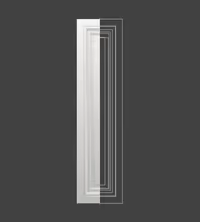
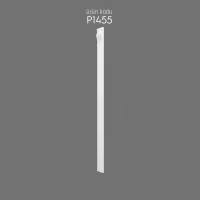
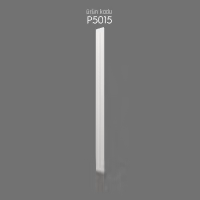
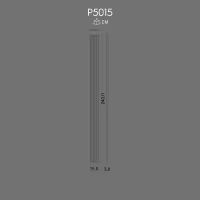
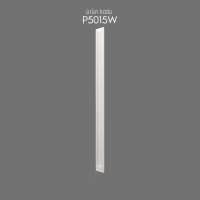
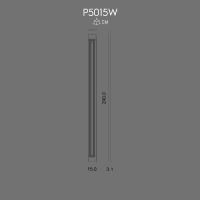
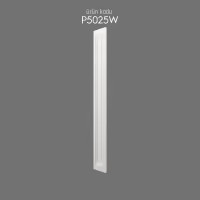
Polure's Pilaster Column collection offers a wide range suitable for various architectural styles. If you are looking for vertical rhythm and interplay of light in your projects, 'Fluted Pilaster Column' models (P5014, P5015) are an ideal choice. These models optically increase ceiling height in classical and neoclassical designs, adding an airy feel to spaces. For those aiming for a more ornate and striking wall decoration, 'Patterned Pilaster Column' options (P1455) create an eye-catching accent with their rich botanical or geometric motifs. In modern minimalist spaces, simple designs like the 'Pilaster Panel Column' (P5015W) perfectly complement wall paneling applications, expanding the perceived size of the space. This versatility allows interior designers and architects to create bespoke solutions for every project.
Complementary Elegance with Capital and Base Options
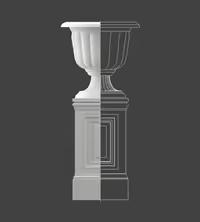
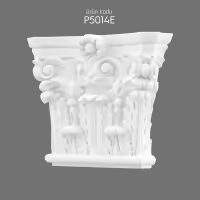
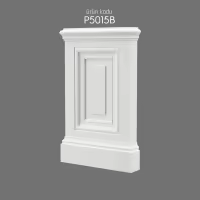
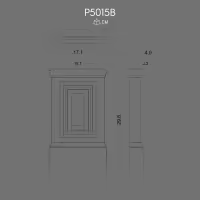
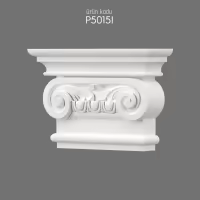
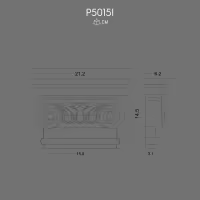
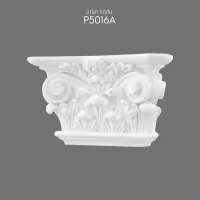
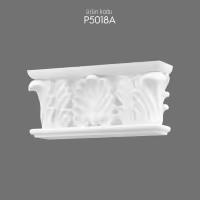
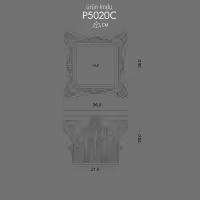
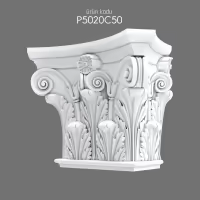
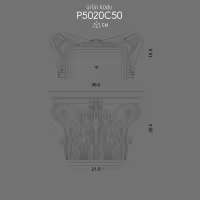
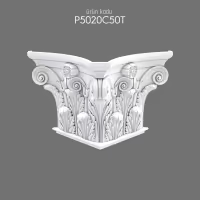
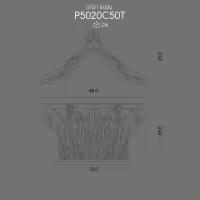
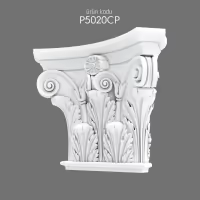
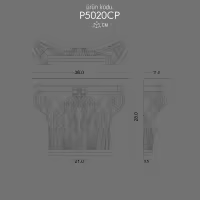
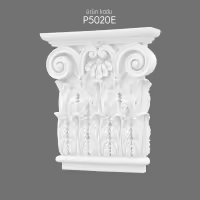
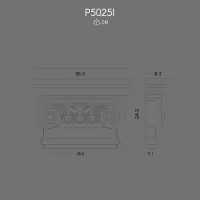
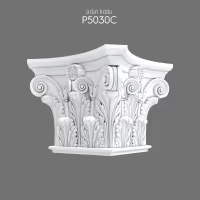
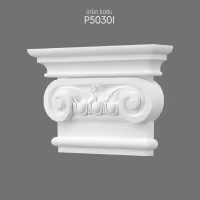
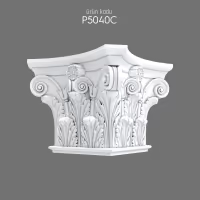
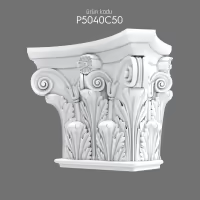
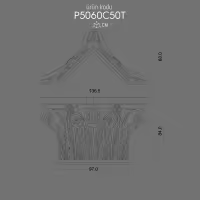
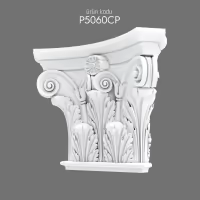
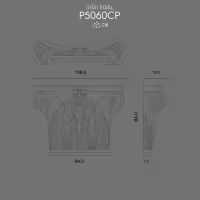
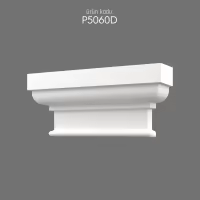
The architectural integrity of a pilaster column application reaches its peak with correctly chosen capital and base elements. Polure offers an extensive collection of capitals and bases specifically designed for Pilaster Columns. 'Pilaster Column Capital' (P5014A, P5014E, P5016A) and 'Pilaster Column Ionic Capital' (P5015I) models provide an elegant finish to the top of the column, adding a unique signature to the space. The curved details of the Ionic order or the magnificent acanthus leaf motifs of the Corinthian style are meticulously crafted down to the finest detail, thanks to high-precision molding technology. The 'Pilaster Column Base' (P5015B) used at the bottom strengthens the column's connection to the floor, providing a sturdy and aesthetic appearance. These complementary pieces can be easily combined with standard-sized column shafts (e.g., 20x140x2000 mm or 31x150x2400 mm), offering a modular system.
Material Advantages: Lightweight and Superior Durability
Polure Pilaster Columns, being 90% lighter than traditional marble or stone, do not impose additional load on structures and greatly simplify installation. Thanks to their full resistance to water and moisture, they can be safely used in humid areas like bathrooms and kitchens, and even on exterior facades. Unlike plaster-based products, they exhibit high impact resistance and do not crack or crumble over time. Their closed-cell structure contributes to thermal insulation, offering a functional advantage in addition to an aesthetic solution. The products are delivered factory-primed with a paint-ready surface, allowing them to be painted with any water-based or acrylic paint to perfectly match the project's color palette.
- Easy Installation: Quick and practical mounting thanks to its lightweight and workable structure.
- Long-Lasting: Maintains its original form for years with superior resistance to moisture, UV rays, and pests.
- Rich Detail: Sharp and smooth motifs achieved with CNC-supported molding technology.
- Versatility: Can be safely used in interior and exterior spaces, under various climatic conditions.
Usage Areas
Pilaster Columns offer extensive potential for creating timeless elegance in modern living spaces and commercial projects. In interiors, they add a sophisticated touch to spaces when used as vertical dividers in wall paneling applications in living rooms and lounges. When placed at intervals in corridors, they break up monotonous wall surfaces, creating a rhythmic sense of depth. They can also be chosen as a framing architectural element around door and window edges, large mirrors, or in niches. They are ideal for creating a magnificent atmosphere in prestigious venues such as hotel lobbies, restaurants, boutique stores, and wedding halls. On exterior facades, they can be used to create impressive portals at villa entrances, to vertically support window sills thereby strengthening building character, or as a decorative accent on building corners. This versatility makes Pilaster Columns an indispensable design element for architects and interior designers.
Installation
Installing Pilaster Columns is a straightforward and quick process when the correct steps are followed. First, ensure that the application surface is clean, dry, and flat. Carefully mark the vertical axis of the column on the wall using a laser level or spirit level. Column shafts can be easily cut to the desired length with a standard miter saw. For installation, Polure Polifix high-strength adhesive should be applied to the back of the product in wavy strips. After carefully placing the column shaft in the marked position, it can be secured with thin nails or tape until the adhesive cures. Capital and base pieces are attached to the shaft using the same adhesive method. Small gaps that may occur at corner joints and contact points with the wall should be filled with acrylic caulk, then smoothed with fine sandpaper after drying. Finally, the paint-ready surface is painted in the desired color to complete the application.
Care Information
Polure Pilaster Columns maintain their aesthetic appearance for many years with minimal maintenance requirements. For cleaning, a damp, soft cloth and a mild, non-abrasive cleaner are sufficient. Chemical solvents, stiff brushes, or abrasive cleaning agents should be strictly avoided as they can damage the product's paint layer. Under normal indoor conditions, these products retain their original vibrancy and form for decades, without yellowing or cracking like plaster. For exterior applications, repainting every 5-10 years, in line with the building's general painting schedule, will increase the product's resistance to external factors and extend its aesthetic lifespan.
Sizes and Prices
| Ürün kodu | Ölçü (G × U × Y) |
|---|---|
| P5014 | 20 × 140 × 2000 mm |
| P5016D | 29 × 196 × 314 mm |
| P5030 | 30 × 300 × 2400 mm |
| P5015 | 31 × 150 × 2400 mm |
| P5015W | 31 × 150 × 2400 mm |
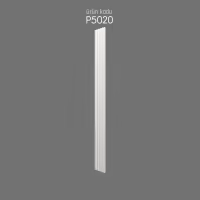
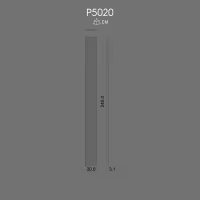
| P5020 | 31 × 200 × 2400 mm |
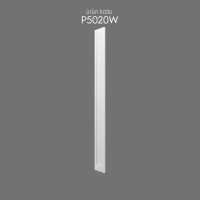
| P5020W | 31 × 200 × 2400 mm |
| P5025 | 31 × 250 × 2400 mm |
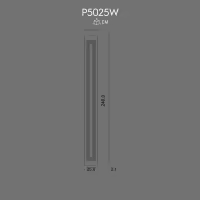
| P5025W | 31 × 250 × 2400 mm |
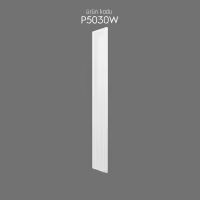
| P5030W | 32 × 302 × 2400 mm |
| P5018 | 35 × 175 × 1765 mm |
| P5015B | 40 × 171 × 298 mm |
| P5040 | 40 × 400 × 2400 mm |
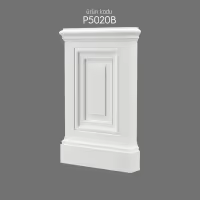
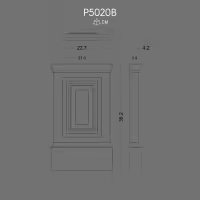
| P5020B | 42 × 227 × 362 mm |
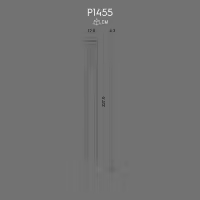
| P1455 | 43 × 120 × 2270 mm |
| P5040W | 43 × 403 × 2400 mm |
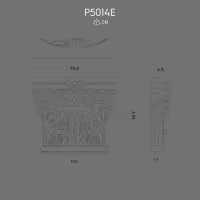
| P5014E | 45 × 198 × 167 mm |
| P5024 | 46 × 240 × 1970 mm |
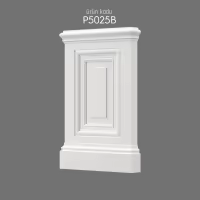
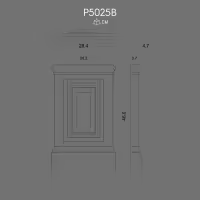
| P5025B | 47 × 284 × 460 mm |
| P5030B | 49 × 340 × 555 mm |
| P5050 | 50 × 500 × 2400 mm |
| P5018B | 51 × 230 × 450 mm |
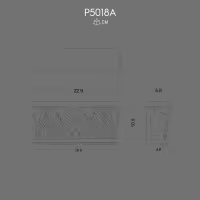
| P5018A | 58 × 229 × 105 mm |
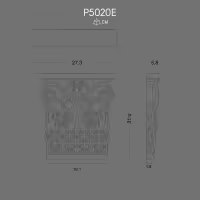
| P5020E | 58 × 273 × 310 mm |
| P5015I | 62 × 212 × 145 mm |
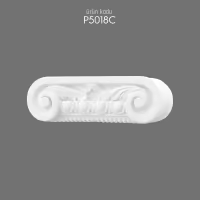
| P5018C | 64 × 260 × 82 mm |
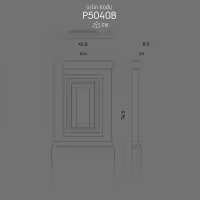
| P5040B | 65 × 450 × 745 mm |
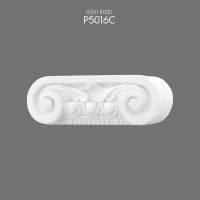
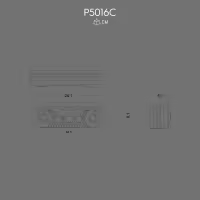
| P5016C | 67 × 241 × 81 mm |
| P5014A | 69 × 218 × 189 mm |
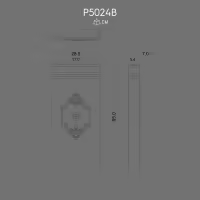
| P5024B | 70 × 285 × 650 mm |
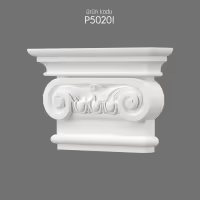
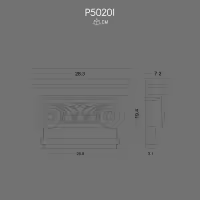
| P5020I | 72 × 283 × 194 mm |
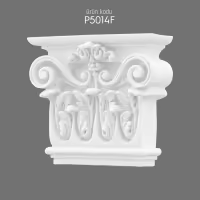
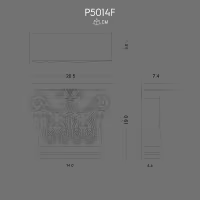
| P5014F | 74 × 205 × 190 mm |
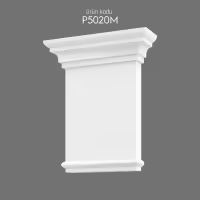
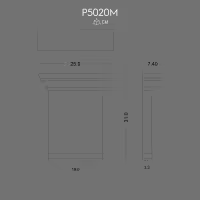
| P5020M | 74 × 259 × 310 mm |
| P5050B | 80 × 560 × 940 mm |
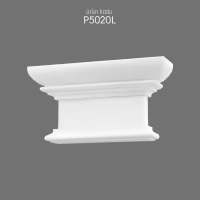
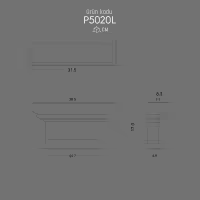
| P5020L | 83 × 315 × 170 mm |
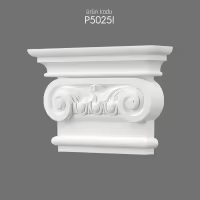
| P5025I | 83 × 353 × 242 mm |
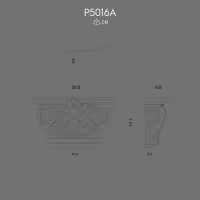
| P5016A | 89 × 305 × 177 mm |
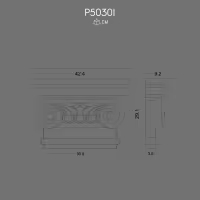
| P5030I | 92 × 424 × 291 mm |
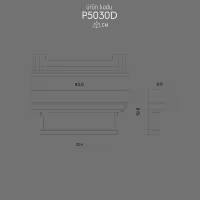
| P5030D | 99 × 430 × 190 mm |
| P5020CP | 110 × 360 × 280 mm |
| P5040D | 125 × 563 × 255 mm |
| P5024A | 134 × 425 × 310 mm |
| P5040I | 145 × 595 × 408 mm |
| P5030CP | 150 × 543 × 420 mm |
| P5020C50 | 180 × 360 × 280 mm |
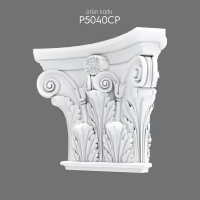
| P5040CP | 200 × 723 × 557 mm |
| P5020C50T | 230 × 450 × 280 mm |
| P5050CP | 250 × 905 × 697 mm |
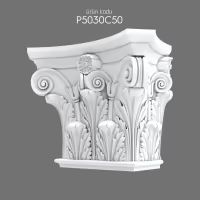
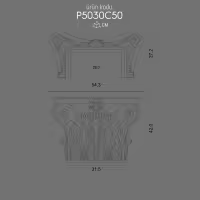
| P5030C50 | 272 × 543 × 420 mm |
| P5030BT | 337 × 337 × 607 mm |
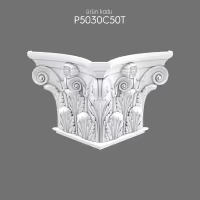
| P5030C50T | 340 × 682 × 420 mm |
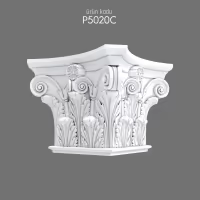
| P5020C | 360 × 360 × 280 mm |
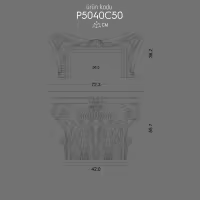
| P5040C50 | 362 × 723 × 557 mm |
| P5050C50 | 453 × 905 × 697 mm |
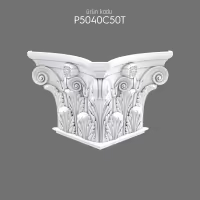
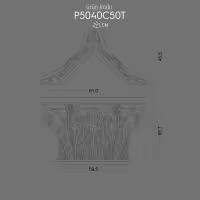
| P5040C50T | 455 × 910 × 557 mm |
| P5030BC | 475 × 475 × 1066 mm |
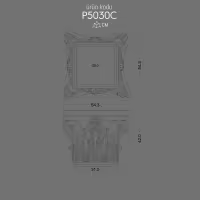
| P5030C | 543 × 543 × 420 mm |
| P5050C50T | 566 × 1137 × 697 mm |
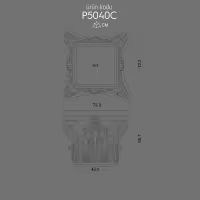
| P5040C | 723 × 723 × 557 mm |
| P5050C | 905 × 905 × 697 mm |
