The Role of Pilaster Column Capitals in Architectural Design
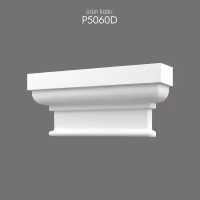
Flat column systems integrated into vertical wall surfaces are one of the oldest architectural methods used to create a sense of depth and divide large wall expanses. Completing the uppermost point of these systems, polyurethane pilaster capitals provide a seamless transition at ceiling, beam, or arch junctions. Beyond offering a visual finish, these designs accentuate vertical lines by creating the illusion of a load-bearing column. Incorporating the geometric and floral motifs of classical Doric, Ionic, and Corinthian orders, these elements are manufactured today using high-durability rigid polymer materials thanks to modern production techniques. Bringing the prestigious look of classical architecture to contemporary projects, these lightweight and structurally stable pieces are widely used in both interior decoration and exterior building facades.
Manufacturing Standards and Physical Properties
The rigid polymer decorative elements in the Polure collection are manufactured using high-tech molding systems. This production methodology ensures that every motif and relief is rendered with exceptionally sharp, crisp details. With a density range of 150-220 kg/m³ (production target ~160 kg/m³), these products offer a surface hardness close to wood while remaining lightweight enough to avoid adding structural load. Unlike traditional materials like plaster casts, they carry no risk of cracking, chipping, or crumbling. Thanks to their closed-cell structure, their moisture absorption rate is below 1%, making them highly suitable for humid environments and exterior facade applications.
Boasting high physical stability, these architectural elements do not lose their shape, shrink, or expand under temperature fluctuations between -100 °C / +80 °C. They offer safe use thanks to their self-extinguishing properties in the event of fire. Contributing to thermal and acoustic insulation, this technological structure provides significantly higher impact resistance and detail quality compared to traditional EPS foam materials. The products are shipped from the factory with a special primer coat that enhances surface adhesion. However, since paint manufacturers do not guarantee surfaces painted without their own primers, applying an additional primer post-installation is entirely optional and left to the customer's discretion. Polure does not guarantee the performance of the paints used and accepts no liability for paint-related issues.
Diverse Dimensions and Model Options
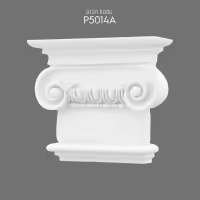
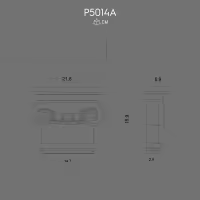
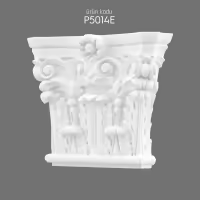
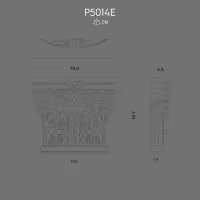
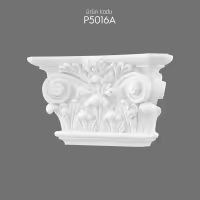
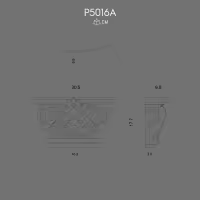
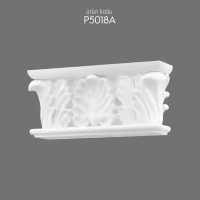
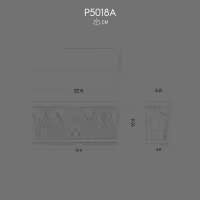
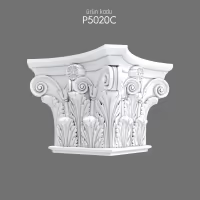
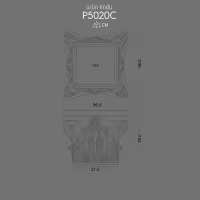
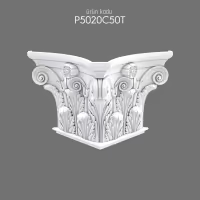
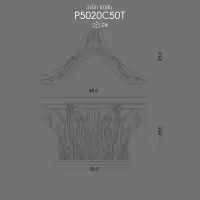
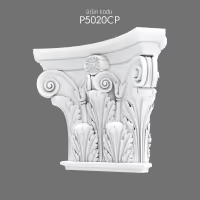
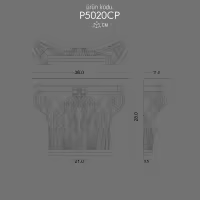
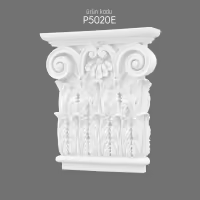
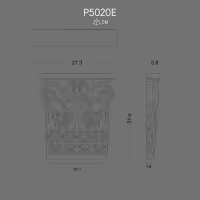
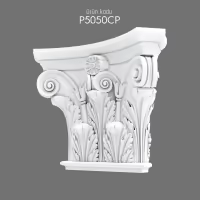
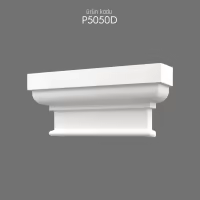
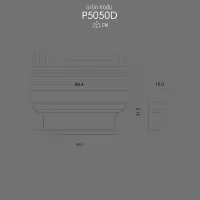
To achieve the perfect proportion based on project scale and ceiling heights, various sizes are offered in this category. Ideal for small-scale wall paneling and narrow corridors, models P5014E (45x198x167 mm) and P5014A (69x218x189 mm) deliver a minimalist neoclassical style. For medium-scale transitions and over-door designs, P5016A (89x305x177 mm) or the deep-profile P5018A (58x229x105 mm) are preferred. For grand entrances, hotel lobbies, and high-ceilinged villa projects, the P5020C (360x360x280 mm) and its extended variations, P5020C50T (230x450x280 mm) and P5020CP (110x360x280 mm), come into play. Additionally, the P5020E (58x273x310 mm) model, featuring prominent acanthus leaf details, creates a rich, ornate look in classical designs.
Advantages Over Traditional Materials
- Lightweight and Safe: Being significantly lighter than plaster-based materials, they do not impose static loads on the structure during installation, minimizing the risk of falling.
- Moisture and Rot Resistance: Unlike wood, they do not rot, warp, or attract insects due to moisture. With a water absorption rate under 1%, they are suitable for all climates.
- Impact Resistance: They feature a much harder surface compared to EPS foam materials, offering high resistance to crushing and deformation.
- Repairability: If needed, the products can be easily sanded, puttied, and repainted, maintaining their pristine appearance for years.
Design Flexibility for Architects and Interior Designers
In professional projects, the correct application of pilaster systems directly enhances the prestige of a space. In classical architecture, proportion is everything. Designers can make low ceilings appear optically higher by choosing slimmer, horizontally profiled capital models. In high-ceilinged and spacious projects, deeper, multi-tiered, and voluminous models (such as the P5020C series) can be used to create a monumental effect on wall surfaces. The smooth surface structure of these products pairs perfectly with water-based or synthetic paints. This allows for easy application of distressing, gold leaf, or flat matte finishes to match the project's color palette.
Key Considerations for Exterior Applications
Used at the top of flat columns flanking exterior windows, these elements elevate the perceived architectural quality of a building. However, outdoor conditions are far more demanding than interiors. The sun's damaging ultraviolet (UV) rays can cause unpainted rigid polymer materials to yellow over time. Therefore, capitals used on exteriors must be painted with UV-resistant exterior paints after installation. Additionally, sealing joints and screw holes during installation with waterproof exterior-grade putties is critical to maintaining the system's integrity and preventing water infiltration.
Usage Areas
Pilaster Column Capitals offer a wide range of applications and are preferred for emphasizing vertical lines in both interior designs and building exteriors. Indoors, they serve as decorative column toppers on wall partitions in spacious hotel lobbies and salons, along the edges of library units, around fireplaces, and at the top junctions of door and window casings. Additionally, flat column shafts and pilaster capitals are combined to break the monotony of long corridors and add depth to wall paneling. In exterior designs, they are used alongside main entrance doors of villas and buildings, at the intersections of floor moldings, on the sides of windows, and at the tops of decorative columns to simulate a load-bearing system. They are particularly favored in historical restoration projects for renovations that remain true to the original texture, thanks to their lightweight nature.
Installation
Installing Pilaster Column Capitals yields a highly secure and long-lasting result when the correct technical steps are followed. The application process is as follows: 1. Surface Preparation: The wall or column surface must be completely clean, dry, and free of grease and dust. 2. Measuring and Cutting: Define the connection points with the column shaft below. When necessary, precise 45-degree miter cuts are made using fine-toothed saws. 3. Gluing: Apply polyurethane (PU) assembly adhesive in wavy beads to the flat surfaces on the back of the product. Silicone adhesives must never be used. 4. Mechanical Fastening: Once placed on the wall, mechanical fastening via screws is MANDATORY to ensure safety. 5. Filling and Sanding: Screw heads and joints are filled with a high-quality putty. Once dry, the surface is smoothed using 180-220 grit sandpaper. 6. Painting: An additional primer recommended by paint manufacturers can optionally be applied over the factory-applied primer. Then, apply at least two coats of water-based or synthetic paint. For exterior use, UV-resistant paint is mandatory, and screw points must be sealed with exterior-grade putty.
Care Information
Manufactured from rigid polymer, Pilaster Column Capitals are highly practical, requiring minimal maintenance. To clean dust indoors, a soft-bristled dust brush or a slightly damp, lint-free microfiber cloth is sufficient. Avoid abrasive chemicals, acidic liquids, or solvents during cleaning, as they can damage the surface paint. Exterior products can be washed with soapy water once a year. To extend the life of outdoor paint and maintain UV protection, periodic repainting is recommended as advised by the paint manufacturer. In case of minor impacts or accidental scratches, the surface can be filled with putty, sanded, and spot-painted.
Sizes and Prices
| Ürün kodu | Ölçü (G × U × Y) |
|---|---|
| P5014E | 45 × 198 × 167 mm |
| P5018A | 58 × 229 × 105 mm |
| P5020E | 58 × 273 × 310 mm |
| P5014A | 69 × 218 × 189 mm |
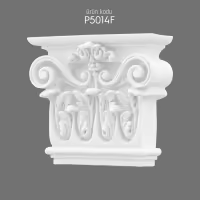
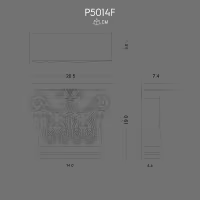
| P5014F | 74 × 205 × 190 mm |
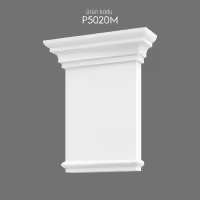
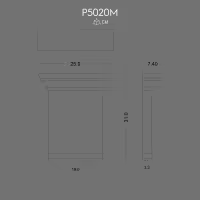
| P5020M | 74 × 259 × 310 mm |
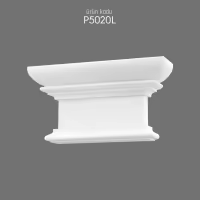
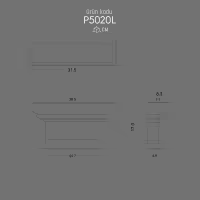
| P5020L | 83 × 315 × 170 mm |
| P5016A | 89 × 305 × 177 mm |
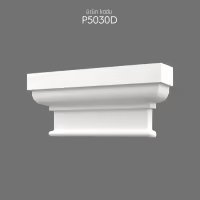
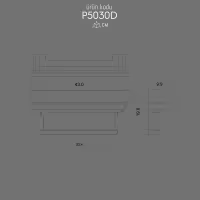
| P5030D | 99 × 430 × 190 mm |
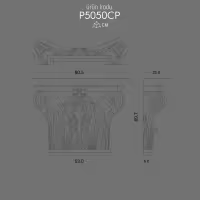
| P5020CP | 110 × 360 × 280 mm |
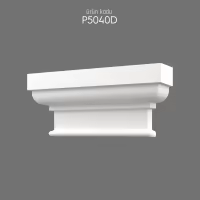
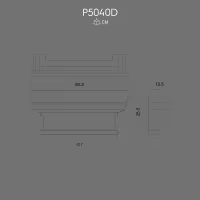
| P5040D | 125 × 563 × 255 mm |
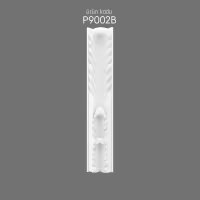
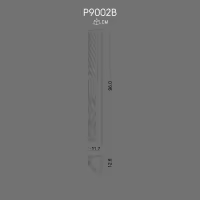
| P9002B | 126 × 117 × 960 mm |
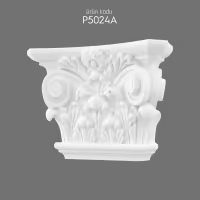
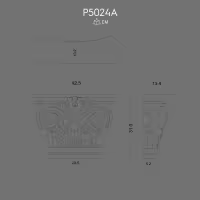
| P5024A | 134 × 425 × 310 mm |
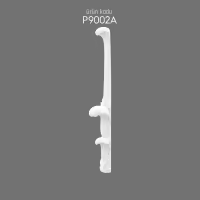
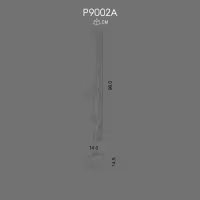
| P9002A | 145 × 140 × 960 mm |
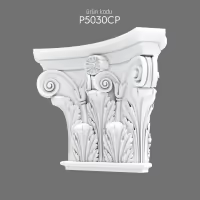
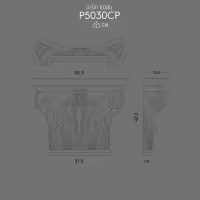
| P5030CP | 150 × 543 × 420 mm |
| P5050D | 150 × 694 × 315 mm |
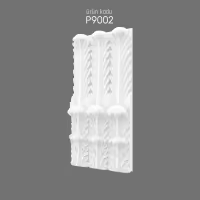
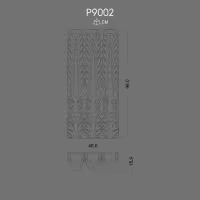
| P9002 | 159 × 460 × 960 mm |
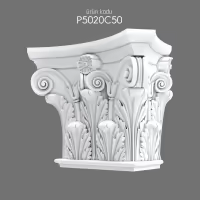
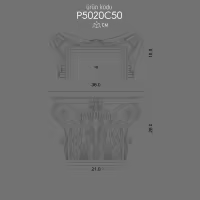
| P5020C50 | 180 × 360 × 280 mm |
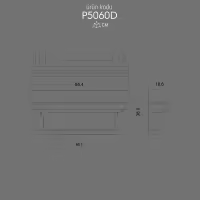
| P5060D | 186 × 844 × 380 mm |
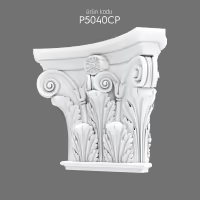
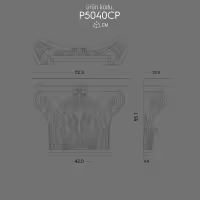
| P5040CP | 200 × 723 × 557 mm |
| P5020C50T | 230 × 450 × 280 mm |
| P5050CP | 250 × 905 × 697 mm |
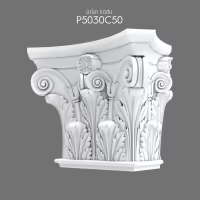
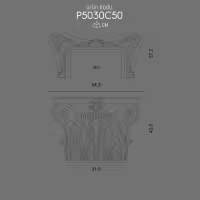
| P5030C50 | 272 × 543 × 420 mm |
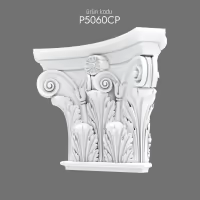
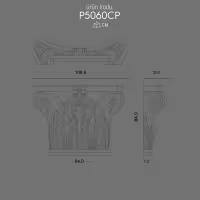
| P5060CP | 300 × 1085 × 840 mm |
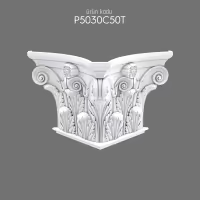
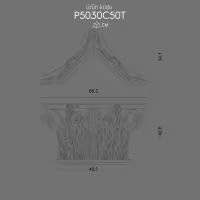
| P5030C50T | 340 × 682 × 420 mm |
| P5020C | 360 × 360 × 280 mm |
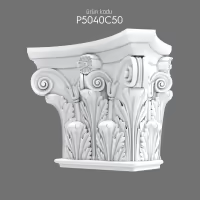
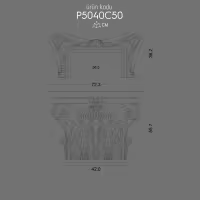
| P5040C50 | 362 × 723 × 557 mm |
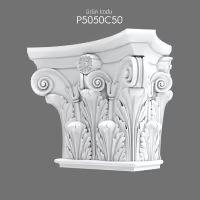
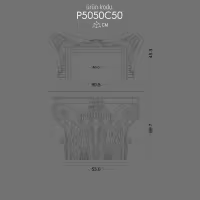
| P5050C50 | 453 × 905 × 697 mm |
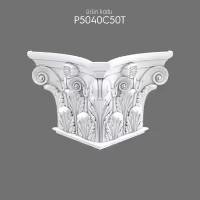
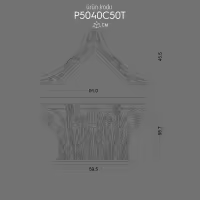
| P5040C50T | 455 × 910 × 557 mm |
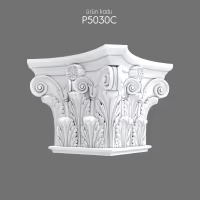
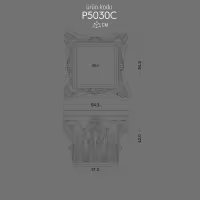
| P5030C | 543 × 543 × 420 mm |
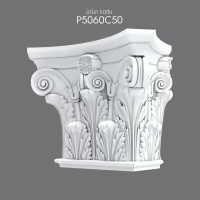
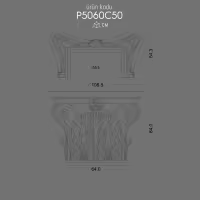
| P5060C50 | 543 × 1085 × 840 mm |
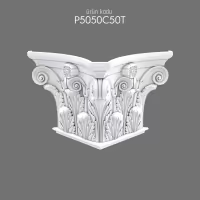
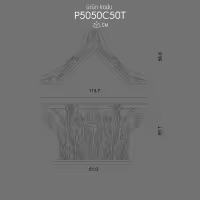
| P5050C50T | 566 × 1137 × 697 mm |
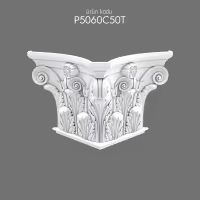
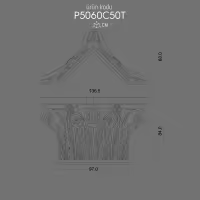
| P5060C50T | 680 × 1365 × 840 mm |
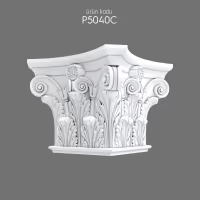
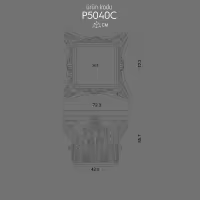
| P5040C | 723 × 723 × 557 mm |
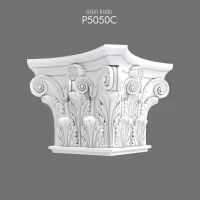
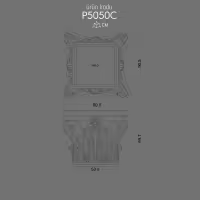
| P5050C | 905 × 905 × 697 mm |
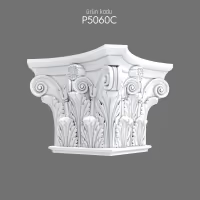
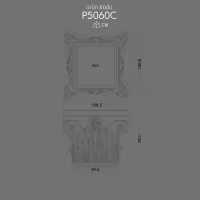
| P5060C | 1085 × 1085 × 840 mm |
