
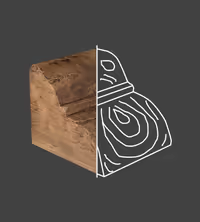
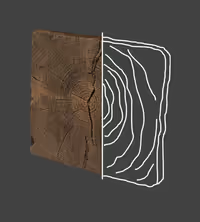
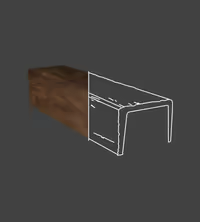
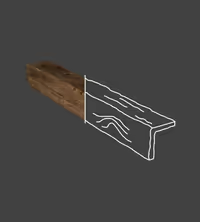
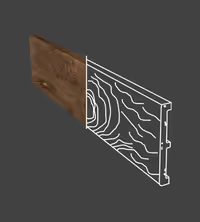
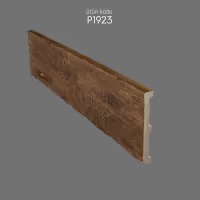
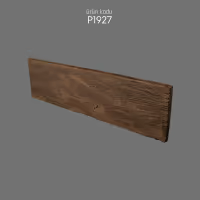
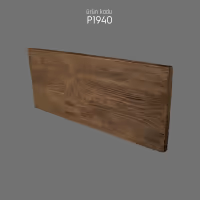

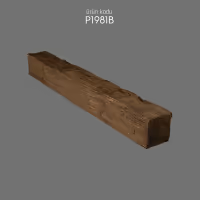
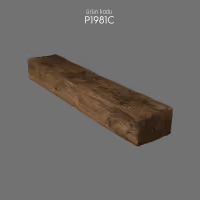
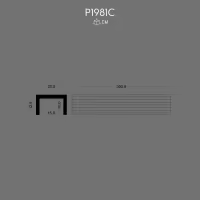
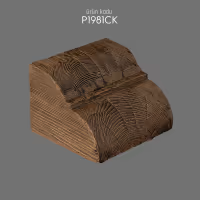
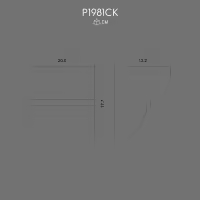
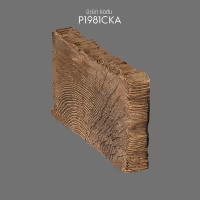
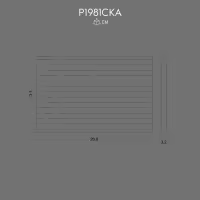
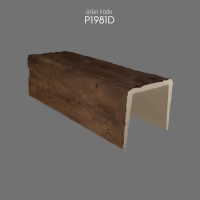
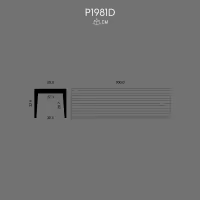
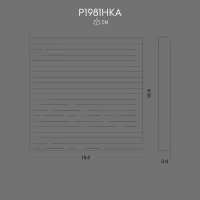
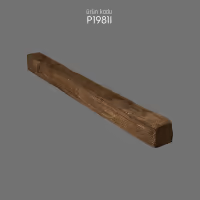
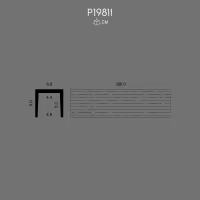
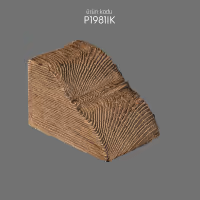

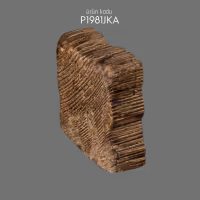
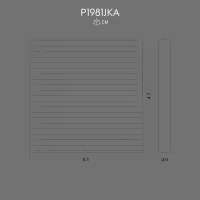
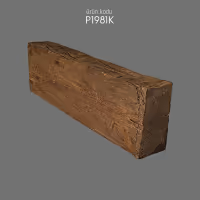
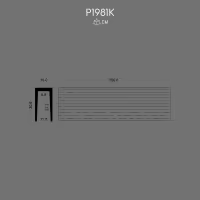
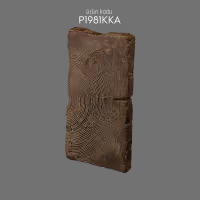
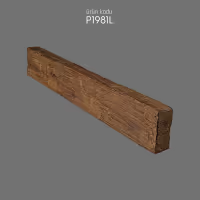
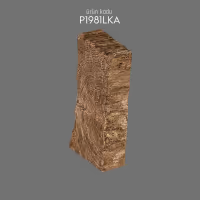
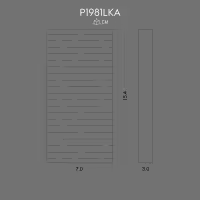
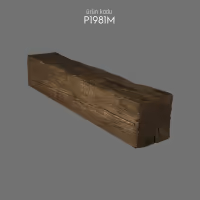
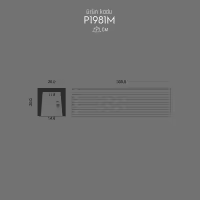


Polyurethane beams, rafters and logs are decorative building elements made of rigid polyurethane that carry the grain and texture of real timber straight from the mould. They deliver the look of solid wood without rot, insect damage or cracking; at a density of 150-200 kg/m³ they are close to timber in hardness yet far lighter, adding no structural load to the building.
What Is a Polyurethane Faux Beam?
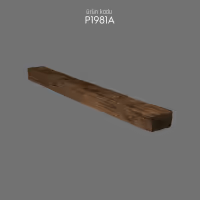
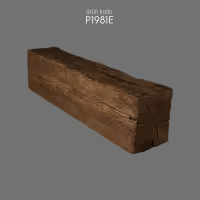
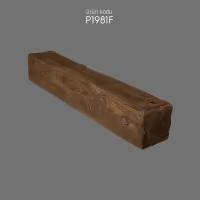
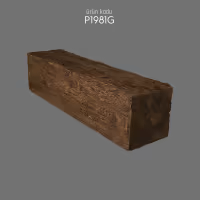
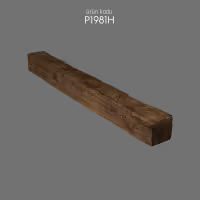
A polyurethane beam (also known as a faux wood beam or decorative ceiling beam) is a solid-look profile mounted on ceilings or walls to recreate the appearance of a massive timber beam. It is used in living rooms and bedrooms, restaurants, cafés and hotel projects to create a rustic or country atmosphere. Unlike real wood it never dries out, cracks or warps. An honest note: polyurethane beams are decorative and non-load-bearing; they are applied over existing concrete or steel structures — and are ideal for cladding real structural beams in a warm wood finish.
Rafter Models and Where to Use Them
Rafters follow the roof pitch and give the look of exposed structural timber. Polyurethane rafter models are preferred for eaves and soffit cladding, veranda and pergola ceilings, and attic spaces with sloped ceilings. With water absorption below 1% they avoid the mould and flaking problems real wood suffers in damp spots, and they keep their form between -20°C and +80°C.
Log-Look Models
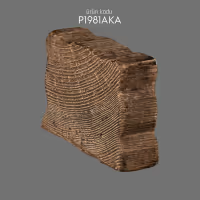
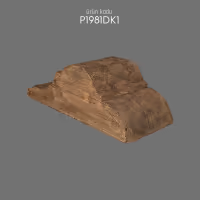
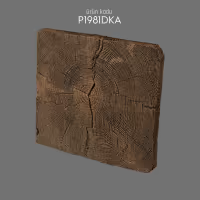
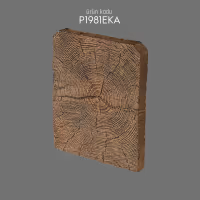
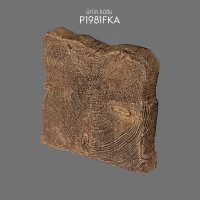
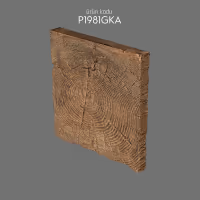
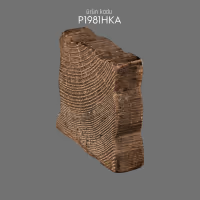
Log-effect polyurethane elements carry the texture of natural round timber. They create a genuine log-cabin feel in mountain houses, bungalows and country homes; around fireplaces, on TV feature walls and on ceilings. Unlike real logs they never bleed resin, harbour insects, and arrive factory-primed and ready for paint.
Advantages Over Real Wood
- No rot, no insects: the closed-cell structure absorbs no moisture — no mould, fungus or woodworm.
- Lightweight: 150-200 kg/m³, far below solid timber of the same section; safe to mount on ceilings.
- Dimensional stability: no drying cracks, warping or open joints; keeps its form from -20°C to +80°C.
- Water absorption under 1%: problem-free in soffits, verandas and semi-open areas.
- Paintable: factory-primed surface; water-based and synthetic paints allow aged, stained or solid-colour finishes.
- Flame-retardant: self-extinguishing behaviour.
- Low maintenance: no periodic varnishing required.
Product Groups in the Series
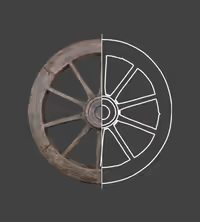
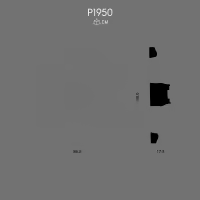
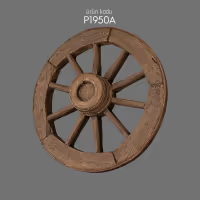
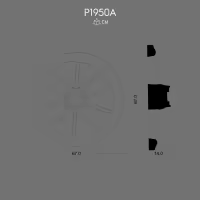
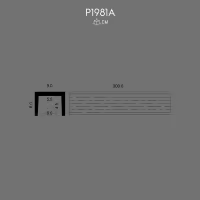
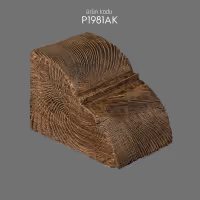
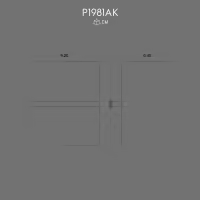
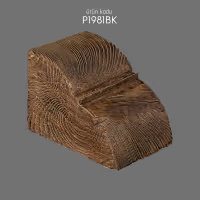
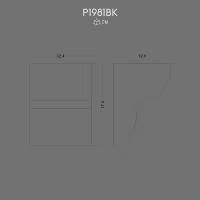
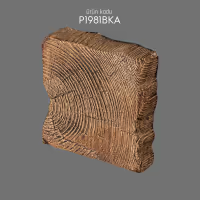
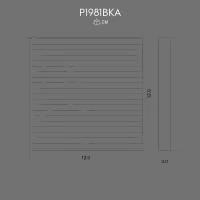
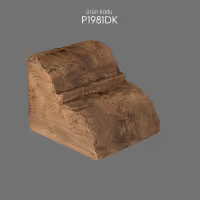
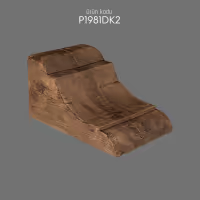
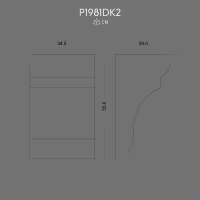
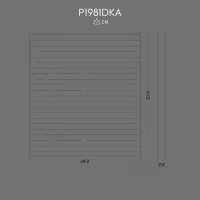
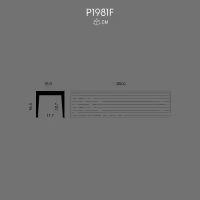
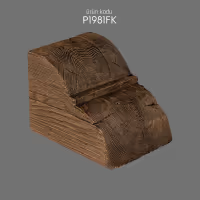
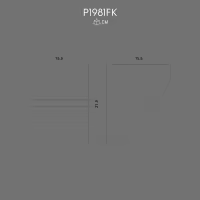
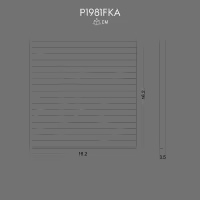
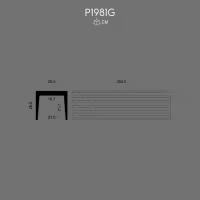
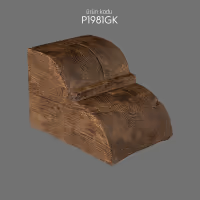
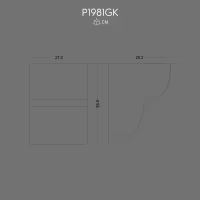
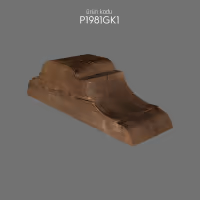
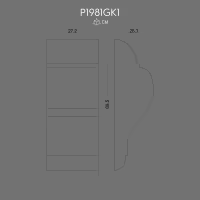
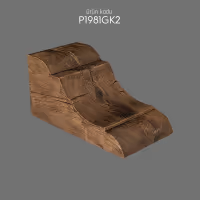
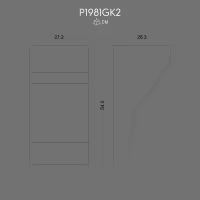
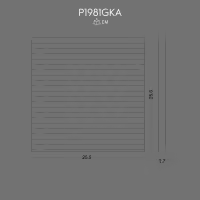
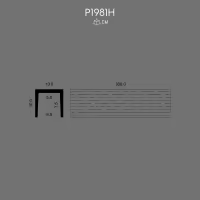
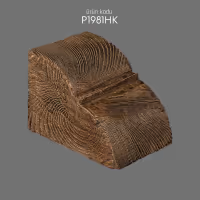
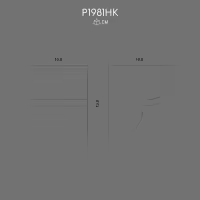
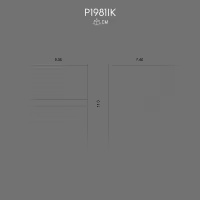
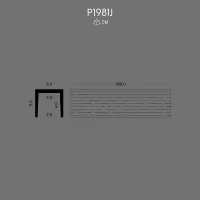
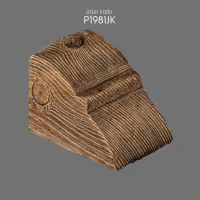
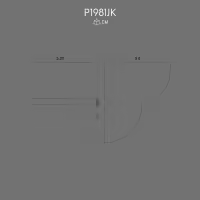
The Beams & Logs series includes straight faux wood beams, beam covers for cladding real structural members, corbels and corner pieces where beams meet walls, wood-look panels for surfaces, decorative wagon wheels and beam strips that hide joints — so an entire ceiling can be designed in one matching texture.
How Are They Installed?
The surface must be clean, dry and flat. Use polyurethane-based adhesive (Polure Polfix); avoid silicone-based adhesives. On ceilings, mechanical fixing with screws is mandatory in addition to adhesive; screw heads are filled and sanded. Joints are concealed with beam strips or covers for a seamless solid-timber look. For exterior and soffit applications a UV-resistant paint is essential.
Sizes and Pricing
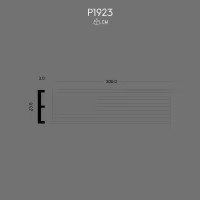
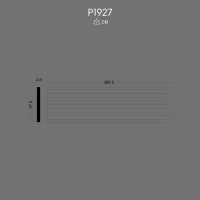
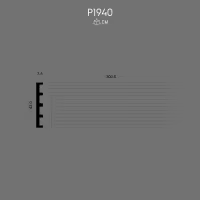
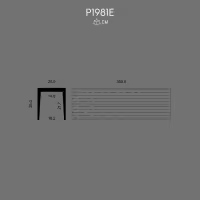
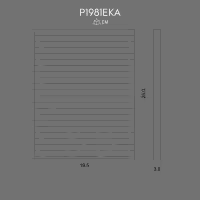
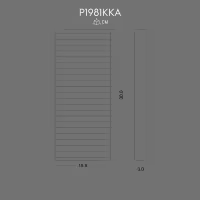
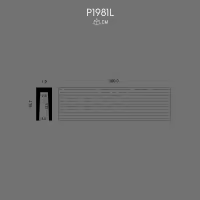
Prices depend on cross-section (width x height), length and texture. Standard lengths start at 2 metres; check the size tables on each product page or request a quote for project quantities. Polure has manufactured with its own moulds in Tuzla, Istanbul since 2010; products ship ex-works across Turkey and abroad.
Usage Areas
Polyurethane beams, rafters and logs are most often used on living room, bedroom and kitchen ceilings to create a rustic atmosphere. They are the core material of country and chalet concepts in restaurants, cafés, patisseries and hotels. Beam covers wrap existing concrete beams in a warm timber look. Rafter models bring pitched-roof aesthetics to soffits, verandas, winter gardens and pergolas. Log-look models are chosen for fireplace surrounds, TV feature walls and bungalow-style cladding. Wood panels and wagon wheels serve boutique shops, wine cellars and themed interiors. Because the material absorbs no water it is also safe in bathrooms and spas. Outdoors — soffits, entrance canopies and balcony ceilings — a UV-resistant paint ensures a long service life.
Installation
Before installation make sure the ceiling or wall is clean, dry and dust-free. Plan the beam layout and mark the axes on the ceiling. Apply polyurethane-based Polure Polfix adhesive to the bonding surface; never use silicone-based products. On ceilings adhesive alone is not sufficient: every beam must also be fixed mechanically with screws, driven at an angle so they can be concealed. Fill screw heads and joints with polyurethane filler and sand smooth with 180-220 grit once cured. On long runs beams are joined end to end; joints are hidden with beam strips or beam covers. The factory primer prepares the surface for painting; aged and wood-tone effects can be applied with water-based paints. For exterior and soffit installations a UV-resistant paint is mandatory and joints should be sealed with exterior-grade filler.
Care Information
Polyurethane beam, rafter and log surfaces are maintenance-free; no periodic varnishing or impregnation is needed. A slightly damp cloth is enough for daily cleaning; dust can be removed with a soft brush. For stubborn marks use diluted soapy water; avoid solvents (thinner, cellulosic) and abrasive cleaners. Impact marks on painted surfaces are easily repaired with filler, fine sanding and touch-up paint. On exterior applications inspect the paint layer once a year and renew with UV-resistant paint if needed. A correctly installed polyurethane beam system keeps its original form for decades.
