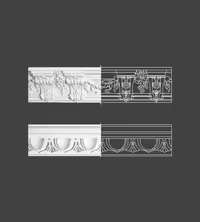
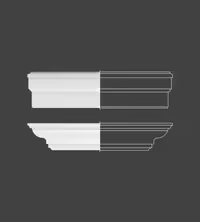




As a cornerstone of architectural aesthetics and interior elegance, cornices are more than just transition elements at the junction of ceilings and walls; they are powerful decorative features that define a space's character. Polure's high-density polyurethane cornice collection offers a modern and technological alternative to the cumbersome nature of traditional plaster applications, blending durability with aesthetic appeal. It allows architects and interior designers to add depth to their projects, while offering homeowners the opportunity to enrich their living spaces with a prestigious touch.
Superior Qualities of Polyurethane and Detailed Craftsmanship
Polure cornice products offer a feel as solid as marble, yet are approximately 90% lighter compared to plaster. This lightness provides significant advantages, especially in large-scale and high-ceiling projects, such as ease of installation and reduced structural load. Our products offer millimeter-perfect detail continuity thanks to CNC machining technology and precise molding techniques. For instance, even the finest motifs on models like P81005 (58x2440x55 mm) and P81013 (68x2440x65 mm) are produced with a flawless surface quality, ensuring a perfect finish after painting. Thanks to their standard 2.44-meter lengths, fewer joints are required during installation, preserving the visual integrity of the space. The material's high impact resistance eliminates the risk of crumbling or cracking, unlike plaster, in case of accidental bumps or abrasions.
Design Variety and Spatial Impact
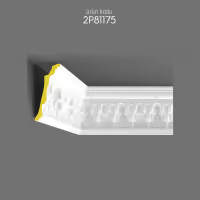
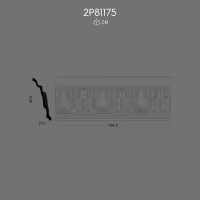
The Polure cornice collection offers a wide range to suit every architectural style. For spaces with classical, baroque, or neoclassical influences, our patterned cornice models stand out with their rich motifs. Models like P81088 (90x2440x100 mm) or P81110 (107x2440x110 mm) emphasize ceiling grandeur, creating a sophisticated ambiance. For modern, minimalist, or industrial designs, our plain cornices offer a contemporary aesthetic with their sharp and clean lines. In larger and more magnificent areas, large-scale designs like P81134 (125x2400x130 mm) fill the space's volume harmoniously, presenting an impressive look. Furthermore, our custom-designed pieces like 2P81175 (210x1540x470 mm) offer the opportunity to add a unique architectural signature to your projects.
Application Flexibility and Correct Size Selection
When selecting cornices, the proportion between the product's coverage area on the ceiling and wall (height and depth) and the room's ceiling height is vitally important. In residential projects with standard ceiling heights of 2.60 - 2.80 meters, medium-sized models like P81071 (112x2440x90 mm) and P81089 (102x2440x100 mm) offer a balanced aesthetic. In areas with ceiling heights above 3 meters, opting for deeper models like P81132 (112x2440x130 mm) prevents the decoration from losing its scale and maintains visual balance. The full water and moisture resistance of polyurethane material makes cornice products safe for use even in damp areas like kitchens and bathrooms, positioning it as a superior alternative to traditional plaster. Its paintability allows for personalization beyond white, offering options like gold leaf, distressed finishes, or contrasting lacquer paints that complement the wall color.
Cornice models: choosing by profile height
The decisive dimension is the height the profile drops from the ceiling. A tall profile crushes a low ceiling, while a slim one disappears in a tall room. Polure profile heights range from 45-470 mm; the standard bar length is 2400-2440 mm, and 1405-1540 mm on wide classic models.
| Ürün kodu | Ölçü (G × U × Y) | Fiyat |
|---|---|---|
| P82069 | 34 × 2440 × 107 mm | 945 TL |
| P83004 | 40 × 2400 × 45 mm | 391 TL |
| P81354 | 41 × 2400 × 218 mm | 1,694 TL |
| P81321 | 49 × 2400 × 99 mm | 956 TL |
| P81005 | 58 × 2440 × 55 mm | 630 TL |
| P81147 | 62 × 2440 × 156 mm | 1,281 TL |
| P81013 | 68 × 2440 × 65 mm | 858 TL |
| P81088 | 90 × 2440 × 100 mm | 1,010 TL |
| P83076A | 97 × 2400 × 100 mm | 814 TL |
| P81601 | 100 × 2400 × 100 mm | 1,064 TL |
| P81089 | 102 × 2440 × 100 mm | 1,053 TL |
| P83076 | 105 × 2400 × 125 mm | 934 TL |
| P81110 | 107 × 2440 × 110 mm | 1,184 TL |
| P81116 | 108 × 2440 × 110 mm | 1,173 TL |
| P88091 | 110 × 2400 × 150 mm | 1,249 TL |
| P81071 | 112 × 2440 × 90 mm | 1,043 TL |
| P81132 | 112 × 2440 × 130 mm | 1,281 TL |
| P81159A | 117 × 2440 × 128 mm | 1,303 TL |
| P81160 | 117 × 2440 × 175 mm | 1,607 TL |
| P81142 | 118 × 2440 × 150 mm | 1,249 TL |
| P81134 | 125 × 2400 × 130 mm | 1,325 TL |
| P831212 | 127 × 2400 × 127 mm | 1,268 TL |
| P831212A | 127 × 2400 × 127 mm | 1,750 TL |
| P81143 | 132 × 2400 × 139 mm | 1,368 TL |
| P81159 | 155 × 2400 × 170 mm | 1,792 TL |
| P81148 | 165 × 2444 × 155 mm | 2,183 TL |
| P83091 | 175 × 2400 × 175 mm | 1,900 TL |
| P83091A | 175 × 2400 × 175 mm | 1,900 TL |
| P83091B | 175 × 2400 × 175 mm | 1,900 TL |
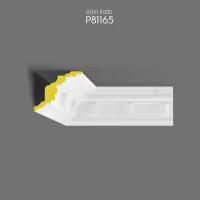
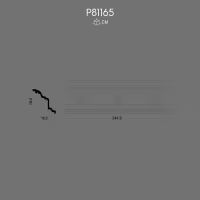
| P81165 | 180 × 2440 × 190 mm | 2,443 TL |
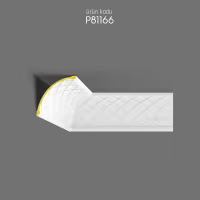
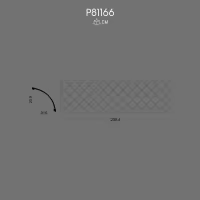
| P81166 | 200 × 2394 × 200 mm | 2,509 TL |
| P81169 | 200 × 2440 × 295 mm | 2,552 TL |
| 2P81175 | 210 × 1540 × 470 mm | 3,777 TL |
| P81160L | 380 × 1405 × 245 mm | 2,606 TL |
| P81170 | 385 × 2421 × 315 mm | 5,647 TL |
The family follows the style of the room: plain and stepped profiles give a clean shadow line on modern ceilings, while patterned (classic motif) profiles turn the cornice into an ornament in its own right. Corner profiles complete the run at ceiling-to-wall returns.
How to choose a cornice for a living room
The living room is where a cornice makes the biggest difference: it forms an uninterrupted frame above eye level and separates ceiling from wall. In a room with a 2.40-2.70 m ceiling a 90-130 mm profile is balanced; between 2.70 and 3.00 m use 150-200 mm, and above three metres profiles of 218 mm and wider stay legible. Three details matter when planning the run: 45° mitres at corner returns, symmetrical distribution of joints along long walls, and finishing level with any curtain box. See living-room cornice projects for built examples.
What determines cornice prices?
The price is not a single figure but the sum of four items. First the section: unit cost rises with profile height and width. Second the pattern: classic motif moulds carry more workmanship than plain profiles. Third the quantity: the requirement is calculated in running metres and divided by the 2400-2440 mm bar length to give pieces. Fourth waste: about 10% is added for corner and joint cuts. The price covers the product only; shipping and installation are separate and goods are ex-works. The full logic is explained in the price guide; once your measurements are ready a quotation is free and valid for 7 days.
Use together with hidden lighting
Cornice profiles give a full shadow line but contain no channel for an LED strip. Where concealed ceiling light is wanted, the hidden light and fitting profiles designed for that purpose are used; a cornice can share the same ceiling with them. For the step-by-step sequence see the cornice guide.
Usage Areas
Polure cornice systems offer a wide range of applications thanks to their aesthetic and functional advantages. They are ideal for enriching the ambiance of living spaces such as living rooms, bedrooms, and dining rooms. While creating an elegant border at ceiling and wall transitions, they also cleverly conceal unwanted details like electrical cables or minor surface imperfections. In hotel lobbies, restaurants, and luxury office projects, patterned cornice models add a prestigious touch to spaces, leaving a lasting impression on guests and employees. Especially in wet areas with high humidity levels like bathrooms and kitchens, the full water resistance of cornices prevents issues such as swelling, cracking, or mold growth, offering a long-lasting and hygienic solution. For exterior facade applications, they are used in architectural details such as window pediments, soffit decorations, and string courses, enhancing the building's character and visual appeal. This versatility makes cornices an indispensable decorative element in both modern and classical projects.
Installation
Installing Polure cornices involves steps that must be carefully followed for a professional finish. Here are 7 important stages to achieve a flawless result: 1) Surface Preparation: Ensure that the ceiling and wall surfaces where the application will take place are clean, dry, and sound. Dust, moisture, or loose paint residues can negatively affect adhesive adhesion. 2) Measurement and Cutting Precision: Carefully cut the cornice products at a 45-degree angle using a miter saw for corner joints. This ensures a perfect fit at corners. 3) Adhesive Application: Apply Polure's recommended high-strength 'Polifix' adhesive evenly to the back surface of the product and at the joint points. 4) Placement and Securing: Gently place the cornice onto the pre-determined alignment line. You can temporarily use small nails or tape to prevent the product from shifting until the adhesive cures. 5) Joint Filling: Carefully fill the gaps between cornice joints and the ceiling and wall with acrylic caulk or Polifix joint filler. This ensures a smooth and seamless appearance. 6) Excess Material Cleanup: Immediately wipe away any excess adhesive or filler material with a damp cloth after application. 7) Painting and Final Touches: After the joint filler has completely dried, paint the cornice with your chosen color to complete its final look.
Care Information
Polure cornice products maintain their original aesthetic for many years with minimal maintenance requirements. For routine cleaning, a soft, slightly damp cloth is sufficient; this gently removes dust particles accumulated on the surface and preserves the product's luster. During cleaning, abrasive chemicals, harsh brushes, or alcohol-based solvents should be strictly avoided, as such substances can damage the paint layer or leave permanent marks on the surface. Polure cornices have a service life of over 20 years under normal indoor conditions and, unlike traditional plaster products, do not exhibit issues like yellowing, crumbling, or cracking over time. When you wish to refresh your space's decor, cornice surfaces can be easily repainted without sanding, offering you design freedom.
