 ENGLISH
 TÜRKÇE
 ITALIAN


Products




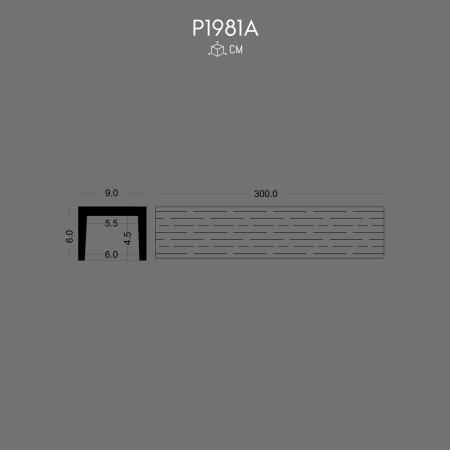
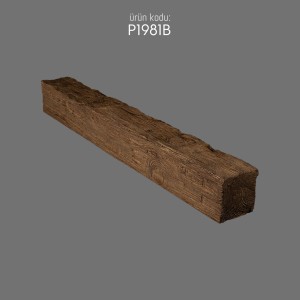
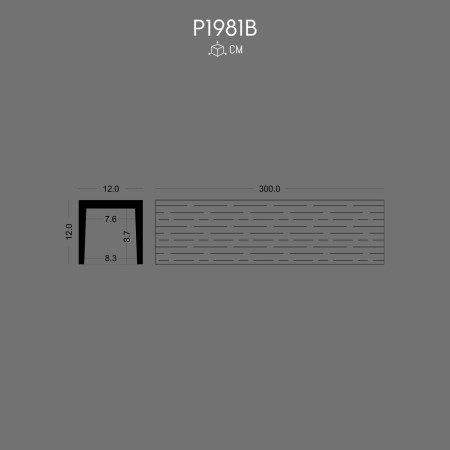
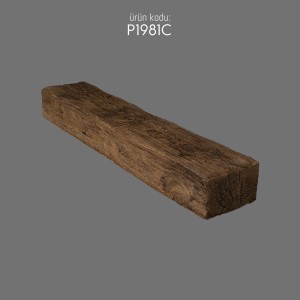
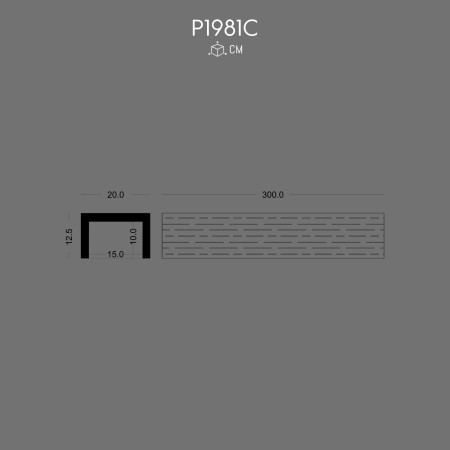
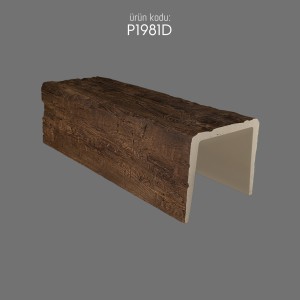
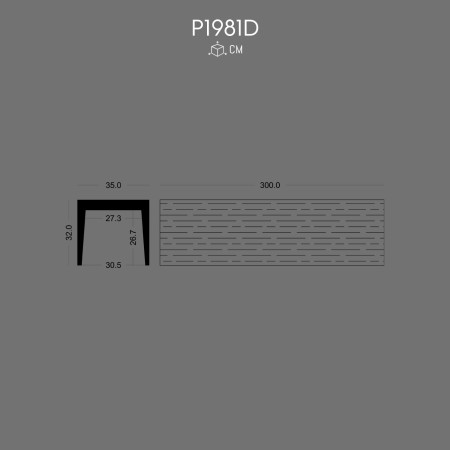
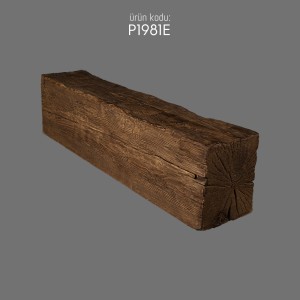
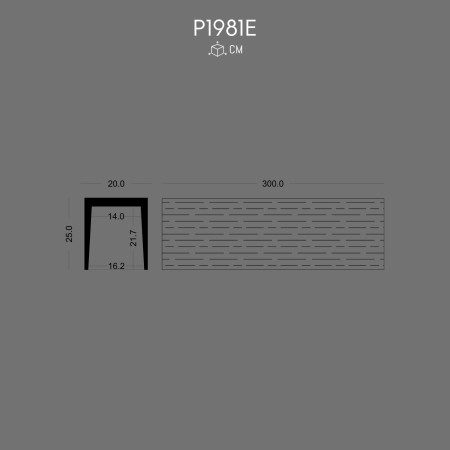

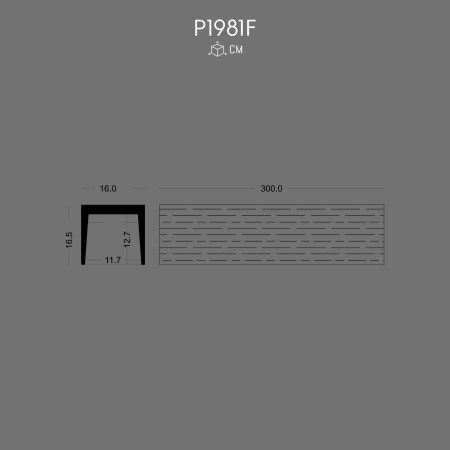
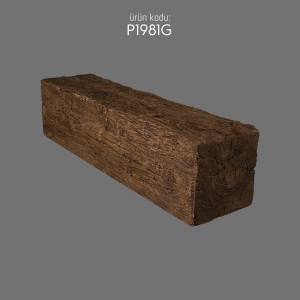
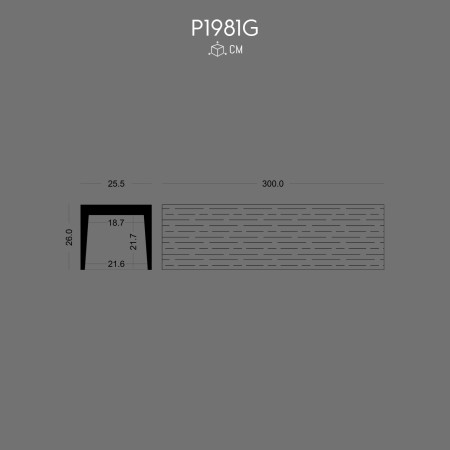
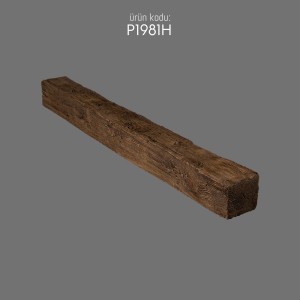
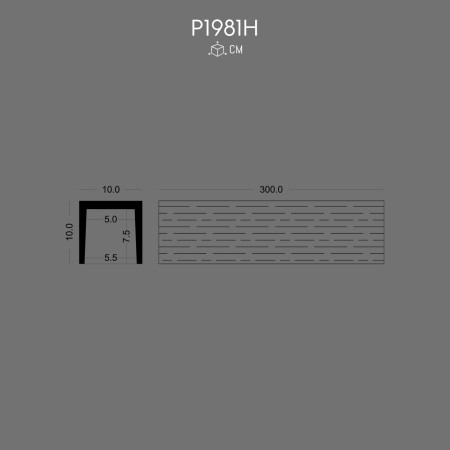
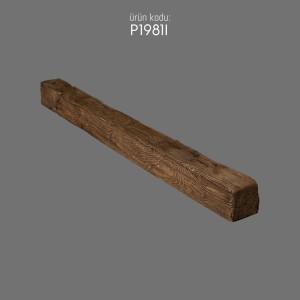
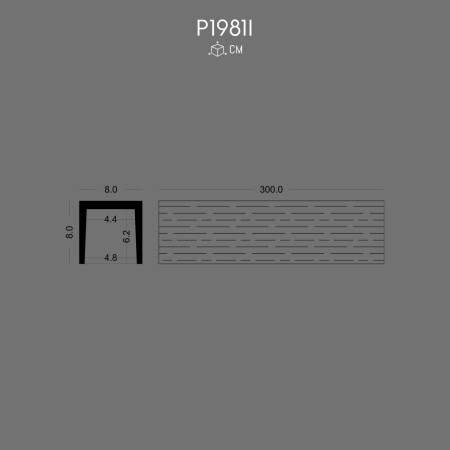
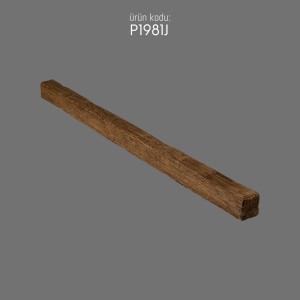
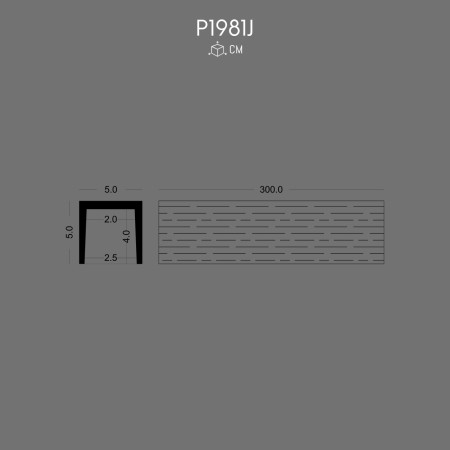
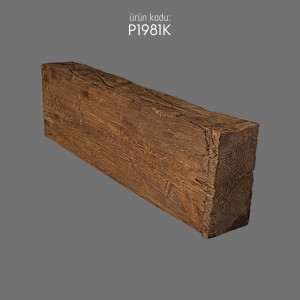
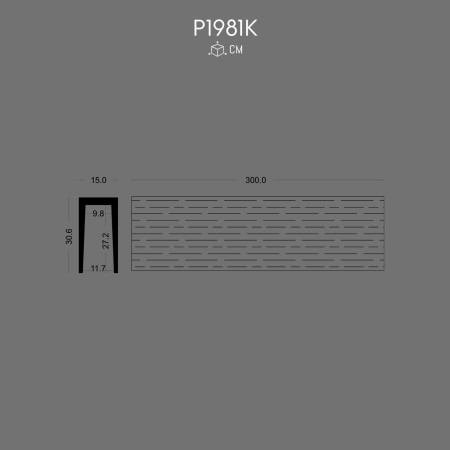
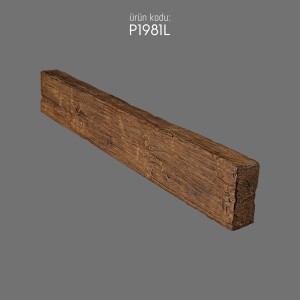
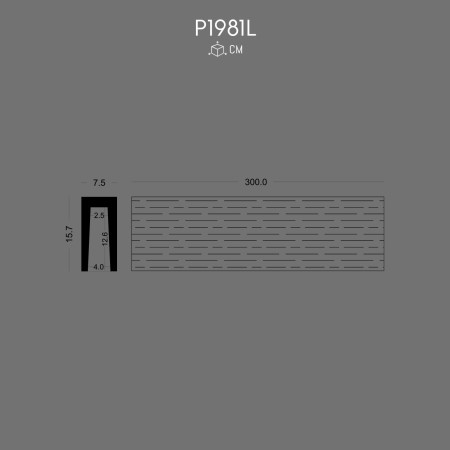
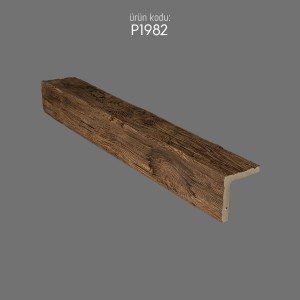

Polyurethane Log Prices - Decorative ceiling log models Videos
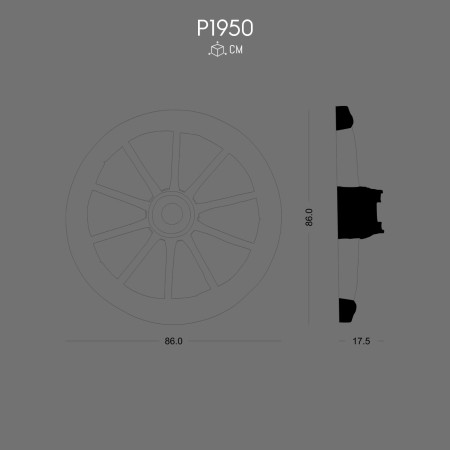
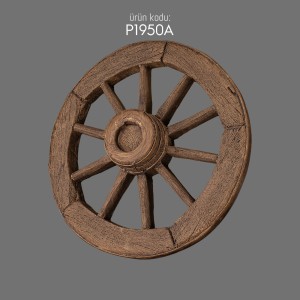
Polyurethane Wooden Wheel
Polyurethane Wooden Look Horse Carriage Wheel Polyurethane wooden ceiling hubs which you can use to create a whole with the polyurethane logs you use to create an authentic and decent environment create a decoration from piece to whole It does not cause any deformation Wooden Rustic Ceiling Core prices and model that you can use as a decorative motif on your ceilings

Rustic polyurethane beams with warm wooden textures for classic interior design
Polyurethane Beams and Rustic EleganceRustic interiors often rely on exposed textures, and the use of polyurethane beams presents a clever alternative to heavy natural wood. With their elasticity, they mimic the organic texture of oak and pine while being easier to install. The beams in this interior are arranged in parallel spans across the ceiling, with triangular trusses adding architectural rhythm. Their visible grains enhance the warmth of the space, echoing centuries-old countryside homes and classical designs.Decor Ideas for Rustic InteriorsThe parquet flooring extends the rustic atmosphere, forming angular geometric motifs in light and dark wood tones. These interlaced diamonds and squares not only provide visual richness but also tie in with the rhythm of the ceiling beams. Around the seating areas, a mixture of leather benches, black wooden chairs, and metal-framed tables intertwine rustic and industrial aesthetics. Pendant lights with metallic finishes hang symmetrically, enriching the structural harmony.Additional decor features can enhance rustic settings, such as bottles displayed openly against warm shelves, vintage frames lining the walls, and open shelving that celebrates transparency. Historically, exposed beams were common in medieval European homes, both for structural necessity and visual expression, making them a symbol of endurance and craftsmanship. Today, polyurethane beams allow these motifs to return in manageable and sustainable forms.Use exposed beams for ceiling depth and texture.Combine leather and wood for warmth.Adopt parquet flooring with geometric motifs for visual harmony.Embrace ambient lighting with industrial-style lamps. This interior design emphasizes the use of polyurethane beams that replicate the tactile charm of real wood. Their elasticity allows for structural flexibility while adding distinctive rustic beauty. Exposed textures integrate seamlessly into the ceiling composition. Parquet flooring with geometric diamond motifs deepens visual continuity. Industrial pendant lights balance tradition with modern character. Leather benches and black wooden chairs create contrast and warmth. Open shelving filled with decorative bottles brings liveliness. Brick walls complement aged textures beautifully. Large arched windows connect the rustic interior with light. Symmetry in beams and trusses enhances balance. Historical reference to exposed trusses enriches authenticity. The overall decor merges classical influences with industrial tones. Warm wood grains and tactile motifs strengthen atmosphere. Sustainable alternatives like polyurethane expand design possibilities. This harmony makes interiors timeless and inviting.
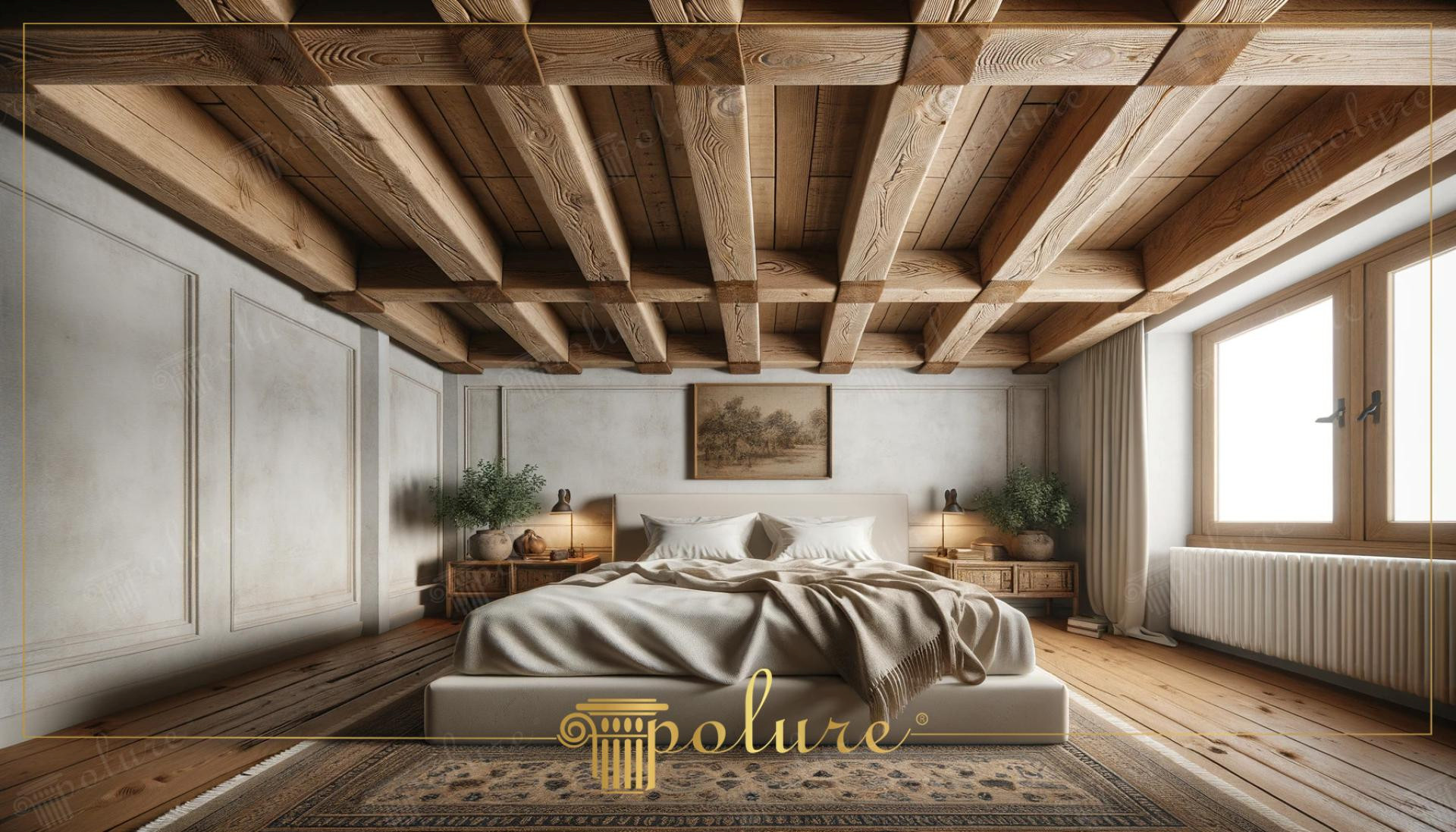
Modern Rustic Bedroom with Polyurethane Beams and Classic Details
Modern Rustic Atmosphere with Polyurethane BeamsThe bedroom design showcases exposed polyurethane beams aligned in a distinct rectangular grid across the ceiling. The detailed wood grain patterns add a tactile quality, blending durability with an authentic rustic appearance. The beams provide architectural rhythm, capturing the eye and giving structure to the space.Walls, Panels, and Textural BalanceThe walls feature elegant rectangular classic moldings, introducing a subtle sense of symmetry. These details echo traditional interior styles while remaining understated. Combined with the beams, they create a rich textural contrast between smooth plastered surfaces and the rough wooden finish above.Furniture and Decorative LayersA large low-profile bed dominates the room, covered in soft textiles with a gentle drape. On either side, rustic wooden nightstands with detailed texture provide functional balance. Decorative vases, lush green plants, and warm lighting accents soften the strong lines of the architecture. The framed landscape artwork positioned at the head of the bed anchors the composition visually.Flooring and Pattern InfluenceThe flooring is crafted in wide planks of natural wood, extending the warmth of the ceiling beams downward. A woven rug with intricate geometric motifs and linear borders adds depth to the geometry of the room. These patterns contrast while also complementing the ceiling grid, creating a cohesive interior language.A Historical ConnectionThe use of beams recalls the traditional construction of European timber houses, where visible support elements were both structural and decorative. Today, polyurethane offers a lighter, versatile alternative while imitating the charm of ancestral wooden details. This modern rustic bedroom creates harmony through exposed polyurethane beams and natural textures. The ceiling beams form a geometric grid that enriches the spatial rhythm. Molded wall panels add a classical detail without overpowering the simplicity of the design. The bed serves as a focal point with layered fabrics in soft tones. Nightstands crafted in rustic wood balance symmetry and function. Greenery in ceramic vases integrates organic texture into the space. A landscape painting introduces artistic calmness to the composition. Large windows allow natural light to highlight the wood patterns. The floor features wide planks with rich grain and tonal variation. A patterned rug provides geometric motifs that echo the ceiling design. Neutral hues keep the atmosphere serene and versatile. The combination of warm and soft materials fosters relaxation. Decorative contrasts between smooth and textured surfaces add depth. The use of historic construction references ties tradition with modern innovation. Overall, the ambiance is cozy, classical, and timeless in its rustic charm.
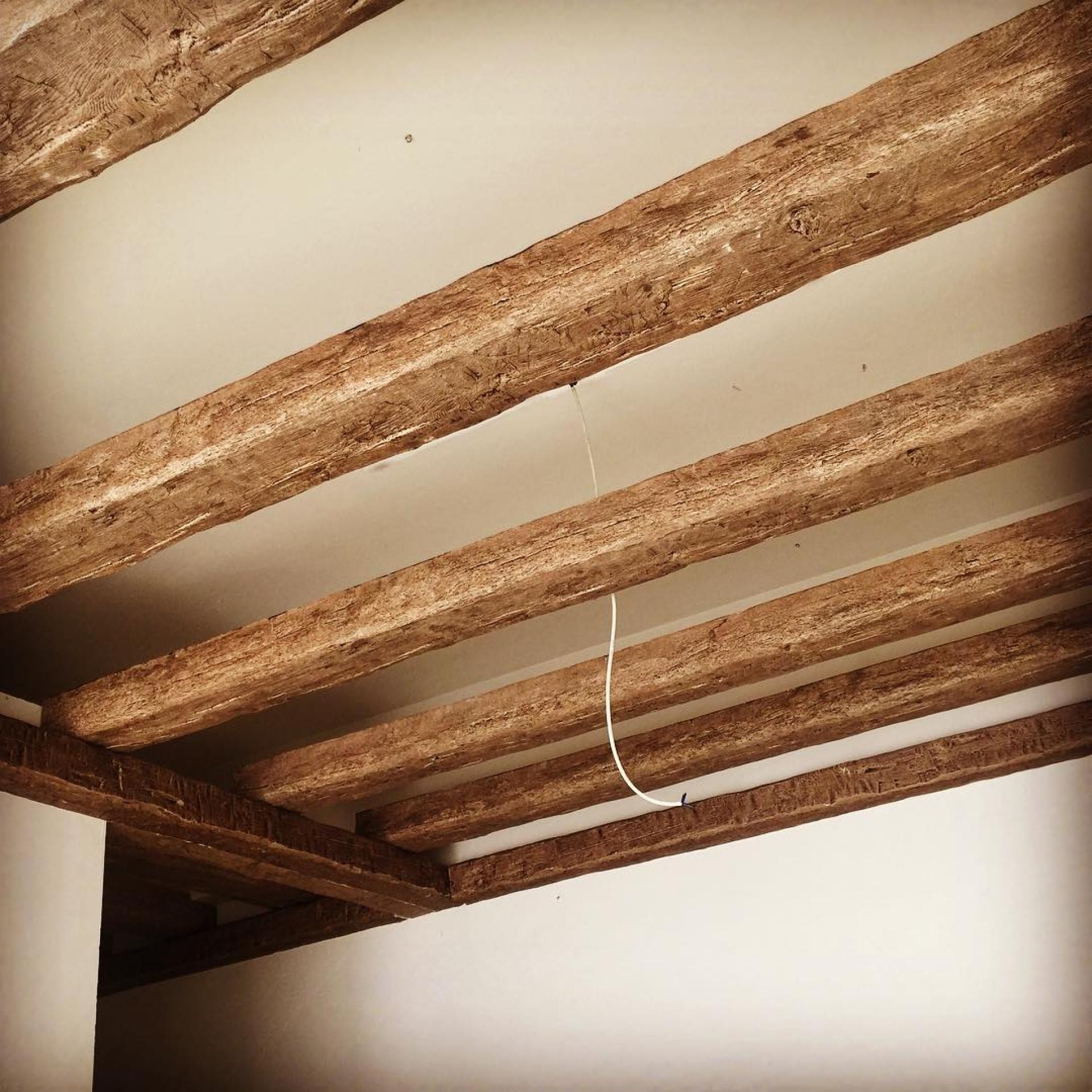
Rustic Guest Room with Polyurethane Beams and Natural Textures
Rustic Guest Room AtmosphereThe ceiling design uses polyurethane beams crafted to resemble raw timber, enhancing the rustic mood of the space. The beams show detailed grain and texture, giving the impression of handcrafted wood with organic imperfections. Together with light ceilings, this visual contrast creates a balance between traditional and modern rustic decoration.The consistent geometric placement of beams adds to the structural aesthetic, evoking the authenticity of old country homes while keeping the functionality of modern materials. Their repetition across the ceiling produces rhythm and harmony.Textures and MaterialsThe beams display natural textures such as knots, grooves, and rough surfaces, which suggest the charm of handcrafted wood. Polyurethane allows for durability and lighter weight compared to heavy timber, making it practical for modern ceilings without compromising aesthetics.Historical TouchRustic ceilings with exposed beams are a tradition that dates back centuries, often found in European cottages and classical homes. The adaptation with polyurethane brings this history into contemporary interiors in a cost-effective and sustainable way.Warm earthy hues give coziness.Wood-like beam patterns enhance rustic character.Simple ceiling color keeps focus on textures.With these elements, the guest room achieves a refined rustic classical elegance ideal for welcoming visitors. This rustic guest room design combines polyurethane beams with carefully detailed textures. The ceiling beams provide authenticity through their wood-like grain. Their geometric alignment across light ceilings enhances harmony. The use of polyurethane balances tradition with practicality. Natural textures evoke the feeling of handcrafted charm. The beams bring warmth to the guest environment. Their alignment recalls classical country interiors. Rustic detail creates visual depth and character. The ceiling offers both strength and softness simultaneously. Polyurethane material ensures long-term durability. Natural grain patterns appear rich and tactile. The overall effect is warm and timeless. A rustic aesthetic makes guests feel welcome. Classical inspiration remains visible in every line. The design unites tradition and modern comfort flawlessly.
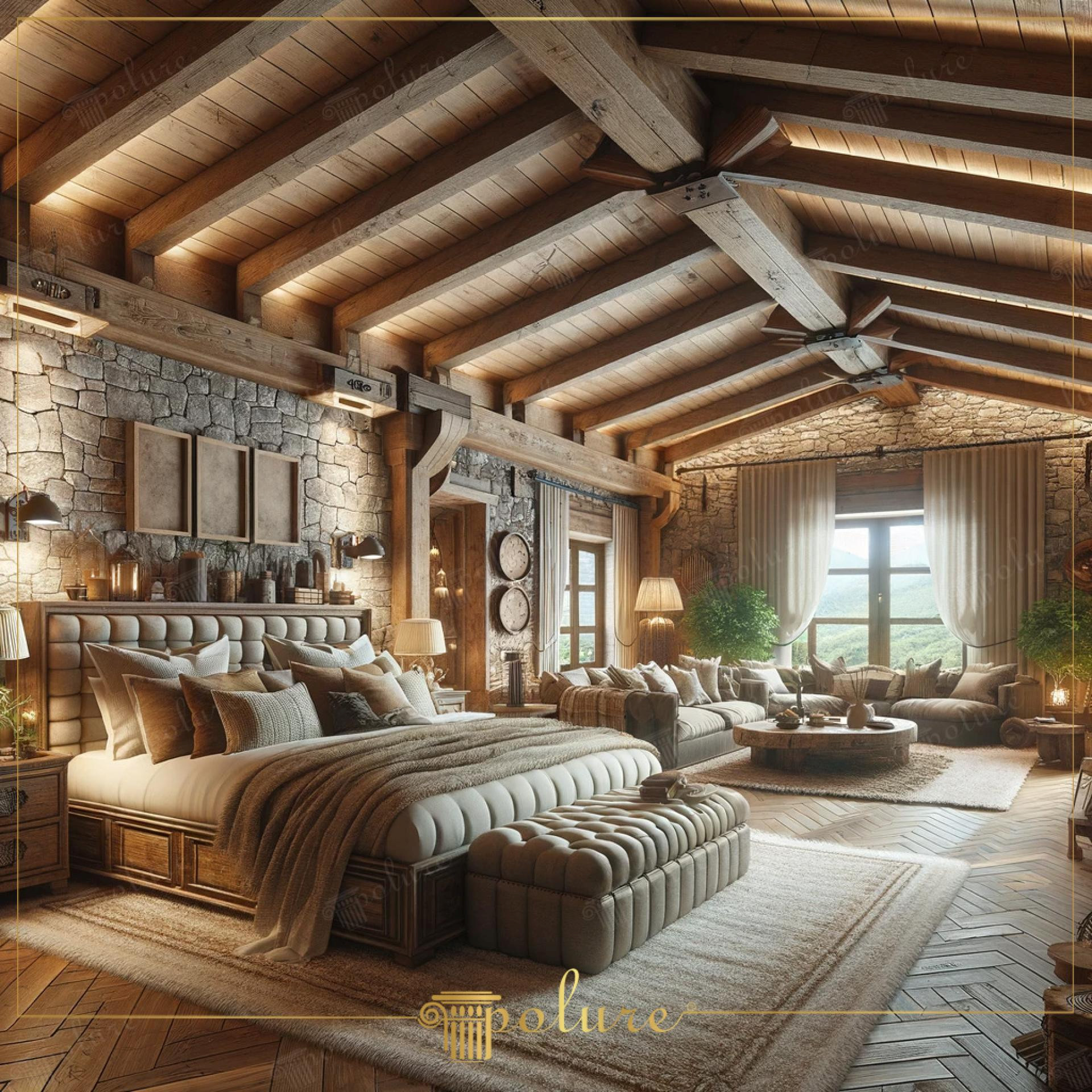
Rustic Luxury Alpine Style Chalet Bedroom with Polyurethane Beams
The bedroom in the image combines the rustic alpine aesthetic provided by polyurethane beam logs and rafters with modern comfort. In this room, quality materials and rich textures create a warm and inviting shelter. The Meeting of Alpine Aesthetics and Modern Comfort The design of this chalet bedroom blends classic alpine rusticity with luxurious and modern elements. Polyurethane While the beams and rafters made of the material reflect the warm and natural texture and appearance of wood, it also brings with it the durability and low maintenance required by modern living spaces. The room creates a spacious and airy feeling by allowing plenty of natural light to enter thanks to the large windows and high ceilings. A Warm Environment with the Fireplace Creating The stone fireplace in the room serves as a center point that increases the warmth and intimacy of the room on cold evenings. Comfortable seating areas and soft-textured carpets around the fireplace further increase this warmth and add a rustic elegance to the space. Luxury and Comfort is in Every Corner. Luxurious furniture and accessories in the bedroom are rich It creates an aesthetic integrity while providing comfort. While wide and high beds, abundant pillows and soft-textured textiles increase the pleasure of time spent in the room, the general design of the room is decorated with natural materials.
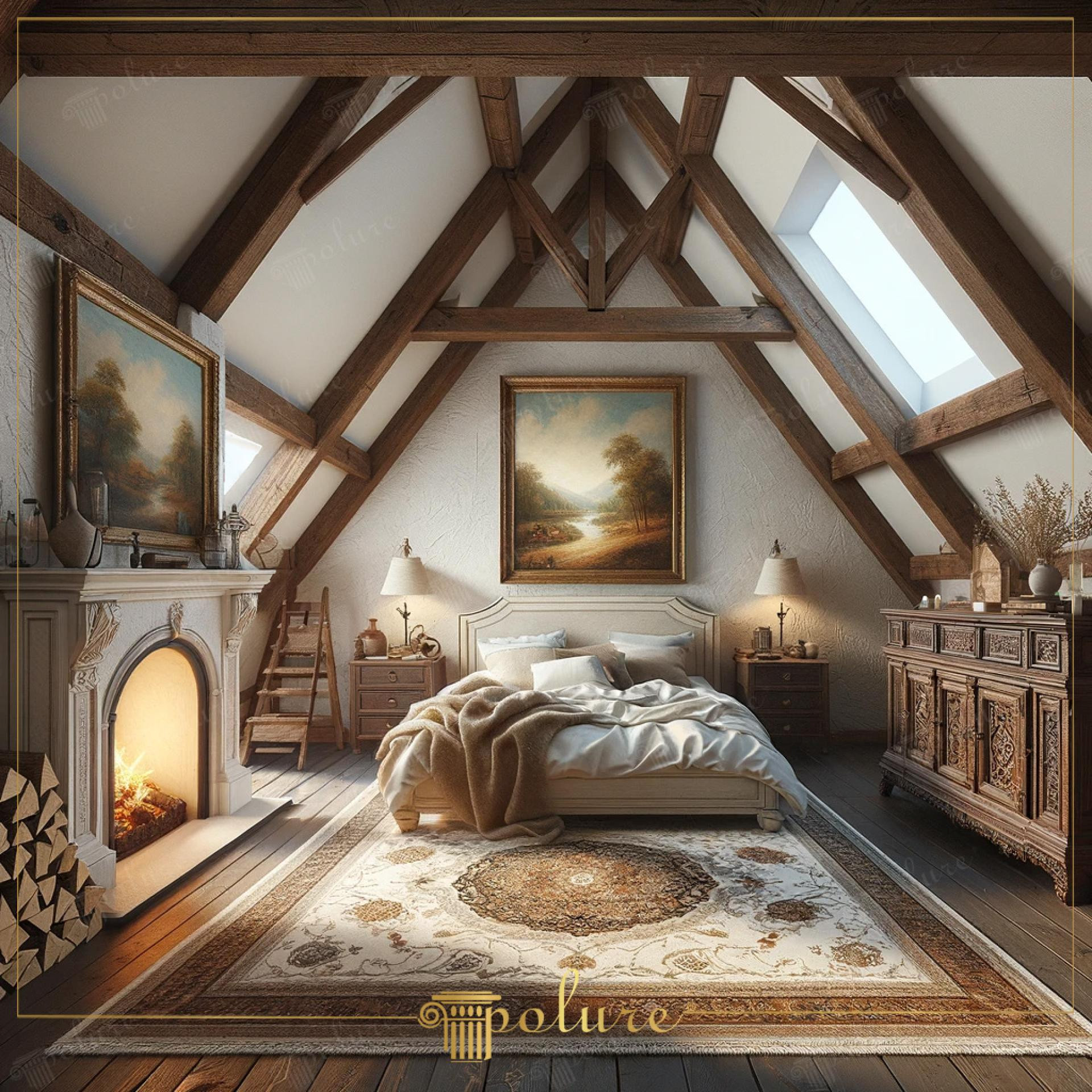
Rustic Bedroom Design with Polyurethane Beams and Classic Comfort
Rustic Elegance with Polyurethane BeamsThis bedroom highlights exposed polyurethane beams that replicate the look of natural wood. Their geometric triangular framework not only adds structural character but also creates a sense of symmetry and rhythm. The angled beams frame skylights that let natural light cascade across the room, softening the rustic charm with brightness.Warmth and Classic DetailingThe centrally placed fireplace enhances the room's inviting nature. Adorned with carved details reminiscent of classical architecture, it provides not only physical warmth but also visual richness. Historically, beams and mantels were key ornamental elements in European interiors, and here they lend authenticity to the rustic classic concept.Furniture and OrnamentationThe bed, dressed in neutral textiles, is complemented by intricately carved wooden nightstands and a large ornate dresser. The artwork above the bed contributes timeless charm, aligning with the natural landscapes often featured in rustic interiors. The balance between traditional furniture and cozy fabrics grounds the design in comfort.Textiles and MotifsThe rug anchors the composition with its intricate motifs, floral medallion patterns, and rich border geometry. The ornaments within its design echo historical handcrafted aesthetics, weaving artistry into the floor layout. These details magnify the decorative textures scattered throughout the space.Harmony of Natural MaterialsTogether, the beams, rug, fireplace, and furniture build an integrated experience where rustic ambiance and modern usability coexist. By combining natural textures with structural balance, the bedroom becomes a timeless sanctuary filled with warmth and authenticity. This rustic bedroom design unites natural warmth with classic comfort. Decorative polyurethane beams define the ceiling with structural rhythm. Skylights emphasize the wooden framework with changing natural light. A carved fireplace adds historic richness and soft glow. Neutral bedding supports a serene atmosphere. Carved wooden furniture provides depth and authenticity. The central landscape painting enhances classical balance. A richly patterned rug with intricate motifs anchors the room. Border geometry and floral medallion enrich the floor. Balanced nightstands contribute to symmetry. Natural textures highlight the rustic theme. Geometric ceiling beams strengthen character. The room combines historical detail with modern comfort. Decorative textures connect every element seamlessly. The design results in a timeless yet cozy retreat.
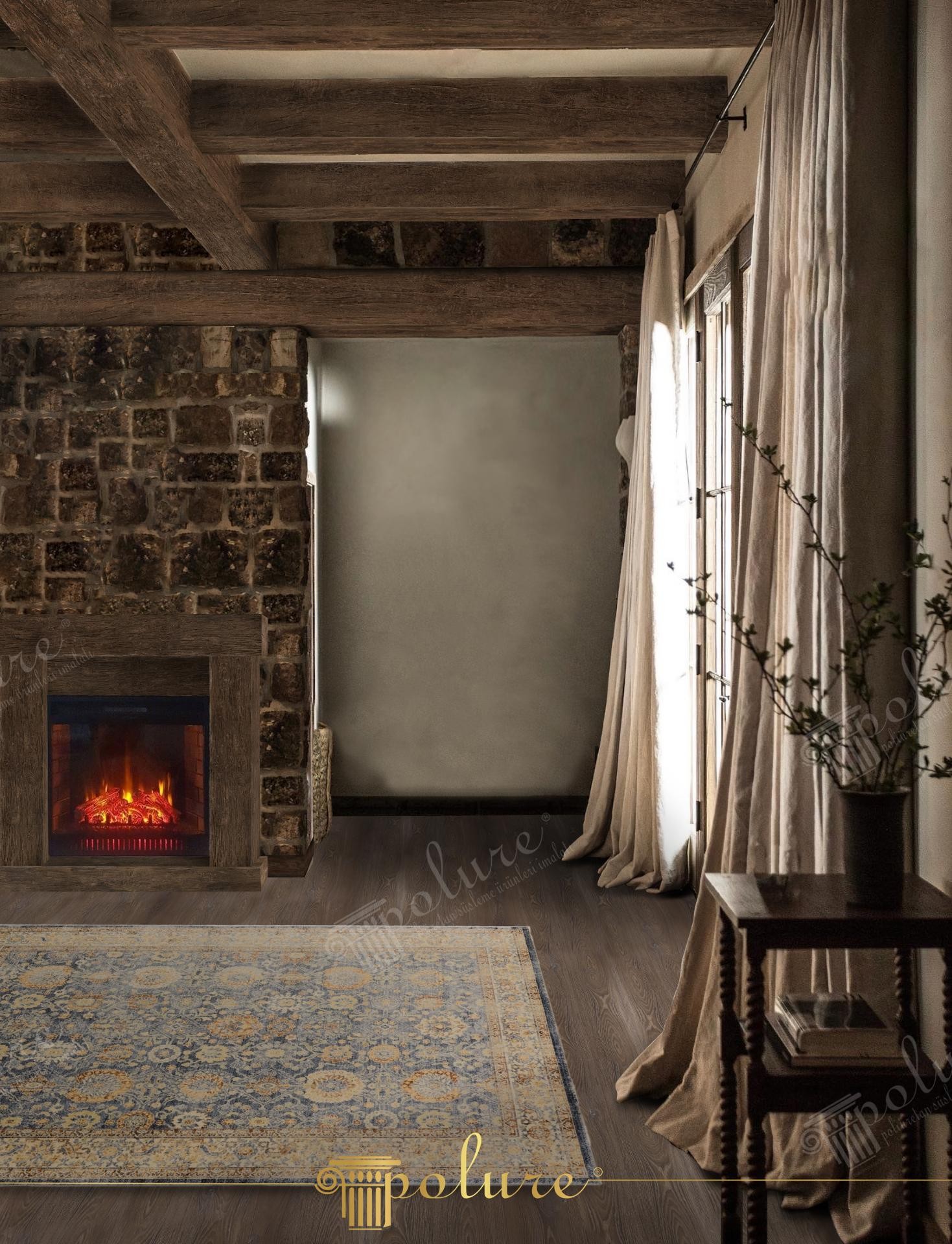


Rustic Polyurethane Beams for Hall and Corridor Ceiling Depth Design
Rustic Ceiling Design with Polyurethane BeamsCorridors and halls often benefit from visual enhancements that break monotony, and rustic polyurethane beams are a practical solution to achieve depth. These beams provide the authentic look of timber with the advantages of lightweight polyurethane, offering both strength and decorative charm.In this design, the beams are fixed diagonally across the white ceiling, producing a repeating geometric rhythm. The contrast between dark wood texture and smooth ceiling surface enhances perception of height and length. The irregular, slightly rugged edges of the beams mimic natural wood grain, creating a warm and authentic atmosphere.Historically, exposed beams were key elements in rustic interiors such as farmhouses and medieval architecture. Today, they are recreated through polyurethane materials to combine classical charm with modern convenience, requiring no heavy structural reinforcement.Harmony of Texture and LightThe interplay of shadow and texture highlights the beams during both daylight and artificial lighting. When paired with stone or brick wall finishes, this design reinforces a natural yet refined corridor aesthetic. The exposed intervals between beams allow rhythmic shadows to appear, adding layers of depth and visual engagement.Enhances corridor spaciousness through perspective rhythm.Lightweight installation without structural loads.Durable and long-lasting decorative solution.Balances rustic and modern interior styles seamlessly.This combination makes rustic polyurethane beams an ideal choice for hall and corridor ceiling decoration, transforming transitional spaces into expressive architectural highlights. Rustic polyurethane beams offer an elegant solution for decorating hall and corridor ceilings. They replicate natural wood grain while being lightweight and easy to install. The diagonal placement creates a strong sense of geometric rhythm. This rhythm generates perspective that extends the visual length of corridors. The beams contrast beautifully against a smooth white ceiling. Subtle shadows enhance the perception of depth. Their rustic finish evokes a feeling of traditional craftsmanship. At the same time, polyurethane ensures durability and low maintenance. This blend respects historical beam aesthetics without structural limitations. The design harmonizes with exposed brick or stone walls. Such harmony adds warmth and natural appeal. Rustic polyurethane beams blend classical appeal with modern practicality. They transform ordinary halls into inviting passageways. Whether for homes, boutique hotels, or chic restaurants, they enrich the overall interior. Their balance of form and function makes them a timeless rustic design choice.

Rustic Bedroom Design with Polyurethane Beams and Warm Wooden Details
Rustic Elegance with Polyurethane Beams The design of this bedroom presents a striking composition where polyurethane beams are used to achieve the authentic appearance of solid timber. The ceiling grid, arranged in a coffered pattern, adds architectural rhythm and highlights the textured variations of the beams. These beams, while lighter and versatile compared to real timber, successfully replicate natural grains and make installation easier. At the intersections of the beams, tiny carved motifs inspired by classical ornamentation lend an air of craftsmanship. Historically, such coffered ceilings have been admired since the Roman and Renaissance periods, where they symbolized elegance and symmetry. Here, the concept is reimagined to create a warm, rustic retreat. Textural Harmony and Decorative Motifs The bedroom floor is designed with wide planks, where visible grain patterns add warmth. In the central focal area lies a traditional rug with diamond and medallion motifs, combining geometric design and floral details in earthy tones. This rug provides both softness underfoot and visual contrast against the natural flooring. The furniture consists of wooden dressers, a crafted bedframe, and chests with rustic handles. Each piece highlights natural wood tones that seamlessly complement the structural ceiling. Along the walls, framed artworks and decor accents complete the rustic aesthetic while maintaining a sense of uncluttered balance. Timeless Comfort in Rustic Interiors Softly flowing curtains in neutral shades filter the light, adding to the cozy atmosphere. Greenery positioned in corners introduces a refreshing natural element. The interplay of warm lighting, artisanal accessories, and earthy hues enhances the bedroom's timeless style. This design demonstrates how polyurethane beams, traditional motifs, and thoughtful textures can transform a simple room into a refined rustic retreat full of warmth and character. The bedroom design highlights the use of polyurethane beams to create the look of solid timber. The coffered ceiling pattern adds rhythm and structure. Carved motifs at intersections provide subtle detailing. Wide plank flooring enhances the rustic atmosphere. A rug with geometric design and floral motifs introduces color. Wooden furniture with natural grain maintains harmony. Neutral curtains soften incoming light. Earthy tones bring a soothing balance. Decorative frames on the walls add subtle accent. Practical storage chests support functionality. Natural wood textures reinforce authenticity. Greenery introduces a refreshing touch. Warm lighting enhances comfort. Historical coffered ceiling inspiration is subtly referenced. The result is a balanced rustic retreat with timeless charm.

Rustic Polyurethane Ceiling Design with Wooden Wheel and Rope Lighting
Rustic Polyurethane Ceiling InspirationCreating a warm and inviting home interior often involves natural textures, and this rustic polyurethane design demonstrates how traditional motifs can be transformed into modern decorative features. The use of a repurposed wagon wheel as a chandelier creates a bold focal point with distinctive geometric patterns formed by the spokes and circular rims.The ropes that suspend the bulbs are thick, natural fibers that echo the rugged character of the ceiling beams. These ropes not only support the lamps but also introduce texture and visual rhythm, complementing the raw wood finish. Combined with subtle polyurethane treatment, the beams and wheel preserve their natural grain while achieving enhanced durability.Historical and Aesthetic ElementsThe wooden wheel recalls rustic craftsmanship traditions, where wheels were once central to daily life and transport. By integrating such a form into lighting, the design pays homage to historical utility while functioning as contemporary décor. The symmetrical spokes create strong patterns of balance and order, reflecting classical design principles.Strategically placed lightbulbs radiate soft illumination, enhancing the warmth of the beams and surrounding walls. The ropes drape naturally, introducing curved lines contrasting with the straight beam structure. This juxtaposition creates harmony in the ceiling composition, reinforcing the essence of rustic elegance.Practical and Decorative BenefitsThe polyurethane surface treatment ensures the materials remain resilient, all while highlighting the natural tones of the wood. This makes the design both practical and aesthetically enduring. The combination of wheel, rope, beams, and light results in a rich interplay of forms and textures that instantly transforms the atmosphere of an interior space. This rustic ceiling design uses a reclaimed wagon wheel as a chandelier centerpiece. The circular form emphasizes balance and symmetry in the space. Thick rope cords suspend bulbs to add handcrafted authenticity. Exposed beams frame the ceiling with strong linear geometry. The interplay of straight lines and flowing ropes creates pleasing contrast. Golden light from the bulbs enhances the warmth of the wooden tones. Polyurethane treatment protects the wood without losing organic character. The wheel’s spokes create intricate patterns that draw visual interest. Rope knots add tactile texture to the composition. This style merges utility with artistry. The natural grain of the beams highlights rustic heritage. Hanging bulbs contribute to a contemporary industrial touch. The rustic lamp enhances cozy interior ambience. Combining rope, wood, and polyurethane offers lasting durability. This design embodies balance, history, and craftsmanship in a single ceiling feature.
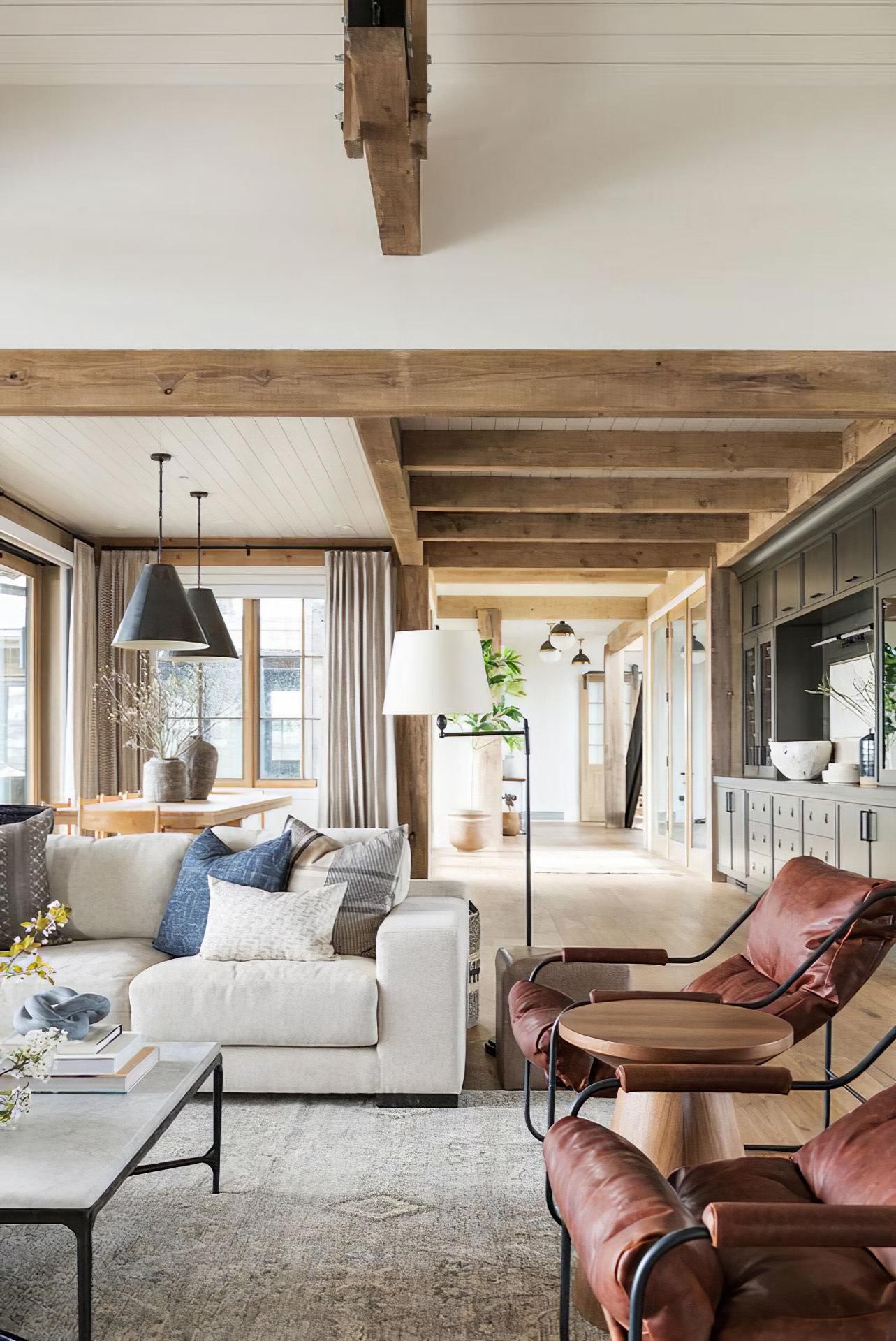
Rustic Classic Villa Living Room with Polyurethane Accents and Warm Wood Textures
Rustic Classic Villa Interior DesignThe rustic classic villa style combines the strength of exposed wooden beams with refined decorative details for a truly warm home atmosphere. The use of polyurethane moldings provides a flexible way to add carved motifs and trim, complementing the natural wood texture seen on the ceiling beams and cabinetry.A core element of this design is the patterned area rug that introduces soft geometric designs, adding silent richness to the otherwise calm palette. The contrast between the white ceiling panels and the deep tones of the beams highlights the authentic rustic structure while maintaining a balanced sense of elegance.The living space is further enriched by the thoughtful use of leather armchairs in warm brown shades, adding tactile appeal while harmonizing with the earthy tones of the wooden flooring. This pairing of rustic construction with modern comfort helps to achieve the balance between tradition and luxury.Historically, exposed wood has roots in medieval architecture, where visible beams offered both structural honesty and visual rhythm. Today, these beams are celebrated not only for their strength but for the authentic character they bring to the interiors.Sleek storage cabinetry in muted tones runs across the wall, aligning practical usage with classic villa aesthetics. Smooth surfaces contrast with textured fabrics and layered cushions, while tall windows framed with neutral drapery allow natural light to soften the entire composition.Exposed beams emphasize structural strength combined with decorative style.Polyurethane details allow versatile additions of carved elements.Geometric patterned rugs bring depth and subtle texture.Neutral palettes with warm accents highlight the balance of rustic and classic influence. This rustic classic villa interior exudes warmth through its large exposed wooden beams. The beams create a structural rhythm that frames the open layout naturally. Polyurethane details complement the wood surfaces and add decorative subtleties. A neutral sofa contrasts gracefully with earthy leather armchairs. The patterned rug introduces geometric motifs that enrich the design. Long drapes on tall windows diffuse sunlight harmoniously. A muted built-in cabinet runs elegantly across the wall. Textured cushions and soft throws add tactile balance. Pendant lights above the dining area provide contemporary flair. The flooring supports a grounded rustic appeal. Clean wall colors emphasize balance and calm. A layered material palette creates depth in the living space. The setting merges timeless charm with understated elegance. Each element connects rustic construction with modern comfort. The interior remains both practical and aesthetically rich.


Rustic Living Room with Polyurethane Beams and Modern Classic Accents
Rustic Elegance with Structural BeamsThe ceiling of this living room highlights the beauty of polyurethane beams, designed with geometric precision and secured with metallic brackets that enhance the architectural rhythm of the space. These structural details not only provide strength but also introduce a sense of depth and character. Historically, exposed beams have been cherished since medieval constructions, where wood and stone offered enduring stability.At the heart of the design, a stone fireplace with herringbone brickwork becomes a striking centerpiece, surrounded by wooden shelving that showcases handcrafted vases, pottery, and books. The careful placement of objects enhances the authenticity of a rustic interior while providing warmth and heritage.Texture, Patterns, and Modern TouchesThe room balances rough and smooth surfaces, combining leather seating, knitted poufs, and natural fabrics with the ruggedness of stone and wood. The large rug features geometric diamond and chevron motifs, creating a visual anchor that defines the seating zone. These repeating patterns emphasize a harmonious blend of tradition and style.While the foundation is classic and rustic, modern elements appear in the clarity of lines, proportional arrangement, and subdued color palette. This creates a dialogue between rustic coziness and contemporary minimalism. The generous windows bring in natural light, illuminating both raw textures and muted tones.Decorative Elements and Natural HarmonyThe shelves and furniture accents reflect earthy hues, and dried floral arrangements reinforce connection with nature. Each component, from the crafted low wood table to the subtly patterned textiles, underlines a careful attention to detail. Together, these elements form a living room where rustic strength merges with refined, modern comfort. This living room design showcases the strength of polyurethane beams combined with rustic warmth. The ceiling features geometric wood elements set with metallic brackets. A central stone fireplace with herringbone brickwork acts as the focal point. Leather sofas create both comfort and luxury in this rustic interior. Decorative pottery and vases add artisanal charm throughout the shelves. Natural tones are carefully layered through textiles and wood. A patterned rug with diamond and chevron motifs anchors the floor. Dried flowers and organic accessories enhance the natural mood. Subtle lighting and candles highlight texture and depth. Earthy colors interact harmoniously with structured lines. The arrangement blends rustic comfort with modern precision. Historical echoes of medieval architecture enrich its atmosphere. Every element shows intentional craftsmanship and balance. This timeless composition integrates tradition with subtle progress. The overall result is an inviting room that exudes character and serenity.

Rustic Polyurethane Wheel Chandelier with Warm Light for Classic Interiors
Rustic Elegance with Polyurethane Wheel DesignThe polyurethane wheel chandelier showcased here embodies a unique blend of rustic and industrial aesthetics. Suspended by sturdy metal chains, it frames the space with a bold circular silhouette. Multiple pendant-style Edison bulbs hang neatly from the wheel’s rim using rope-like cords, creating a balanced geometric pattern that mirrors the symmetry of classic rustic interiors.Warmth Through Design and MaterialThe exposed bulbs emit a warm amber light that enhances the inviting atmosphere of any villa or dining space. The polyurethane material of the wheel not only ensures durability but also provides a versatile finish that mimics aged wood, complementing natural furnishings and textured textiles. The combination of modern functionality with traditional form makes this chandelier a striking decorative element.Historical InspirationThe wheel motif recalls historical craftsmanship, reminiscent of old carriage wheels that evoke nostalgia and heritage. Integrating such motifs into modern interiors is a subtle nod to timeless design practices, blending the past with present-day living aesthetics.Styling and VersatilityThis chandelier serves as more than a lighting fixture; it is a centerpiece that enhances the rustic character of any room. Its circular geometry, reinforced by the radial array of bulbs, makes it adaptable for dining rooms, villas, or hospitality spaces. Paired with wooden tables, natural plants, and textured fabrics, it completes the harmony of rustic elegance. In contemporary interiors, it adds depth and contrasts beautifully with minimalistic furniture. This rustic chandelier uses a wheel-shaped frame to create a bold focal point. Its design merges classic charm with industrial details. The polyurethane frame mimics aged wood. Hanging Edison bulbs cast a warm glow. The geometric pattern of lights adds symmetry. Thick chains provide reliable support. The chandelier elevates dining areas with soft ambience. The radial bulb arrangement enhances rustic appeal. Historical wheel design offers subtle nostalgia. This fixture suits villas and cozy interiors. It blends naturally with textured fabrics. It highlights wooden furniture beautifully. Its glow invites comfort and elegance. The chandelier adds versatility in modern homes. Overall, it harmonizes lighting with rustic tradition.

Rustic Kitchen with Polyurethane Elegance and Natural Harmony of Wood and Stone
Natural Harmony in Rustic Kitchen DesignThis rustic kitchen celebrates the timeless combination of wood and stone, highlighted by polyurethane finishes that provide durability without diminishing authenticity. Bold dark ceiling beams contrast elegantly against pale arches, establishing an architectural rhythm rooted in Mediterranean tradition.The flooring, constructed with extensive hexagonal tiles in warm terracotta shades, adds both texture and visual flow. These geometric patterns guide the eye from the central island outward, enhancing the sense of spaciousness and grounding the room with earthy warmth.A stone ventilation hood with intricate carved moldings crowns the cooking area, supported by a backsplash decorated with subtle historical motifs echoing classical design. Such ornamentation recalls the medieval and Renaissance use of patterned tilework in European kitchen architecture.The cabinetry is rich and polished, with glass panels that lighten its form and integrate seamlessly with modern appliances. The central island, supported by sculpted and solid legs, reflects a balance between rustic craftsmanship and everyday functionality. Wooden stools tucked beneath reinforce the welcoming nature of the space.The wrought-iron chandelier becomes an artistic focal point, hanging alongside ceiling beams like jewelry against fabric. Light bounces gently off warm-toned surfaces, striking a striking balance between rustic intimacy and classical elegance.Exposed beams emphasize the structural role of rustic design.Hexagonal Terracotta tiles provide textural authenticity and are easy to maintain.Carved stone detailing conveys classical influence.Modern appliances integrate seamlessly with artisanal wood cabinetry.Altogether, this design presents a refined rustic kitchen where tradition and comfort combine, shaped by material contrasts and geometric harmony. This rustic kitchen demonstrates how the combination of wood and stone can create both durability and natural warmth. Dark ceiling beams define the architecture with bold repetition. Terracotta hexagonal floor tiles add texture and historic character. A carved stone hood with motif details elevates elegance. Large wooden cabinets maintain strength while offering visual balance. Glass inserts lighten the heaviness of cabinetry seamlessly. The central island anchors the layout with detailed turned legs. Stools beneath the island highlight practical gathering space. The chandelier introduces an ornate wrought-iron focal point. Soft arches shape entryways with architectural rhythm. A patterned backsplash draws from traditional European influences. Subdued tones integrate with structural solidity. Polyurethane treatment adds resilience without losing authenticity. The hexagonal pattern inspires geometry-led harmony. The overall result is a rustic kitchen blending timeless tradition with refined craftsmanship.

Rustic Bedroom Design with Polyurethane Beams and Antique Wooden Details
Warmth Through Architectural Wooden ElementsThe bedroom design highlights the use of polyurethane beams that emulate authentic timber structures, offering durability while capturing natural warmth. These beams run across the ceiling in a grid-like geometry, reinforcing a sense of balance and stability throughout the composition.The elaborate headboard wall is framed with antique-style carved patterns, including floral motifs and repeating linear designs that bring an ornate classical feel to the rustic theme. Dark wooden panels intensify the sense of embrace, drawing attention to the fine craftsmanship of each carved surface.Textures, Light, and OrnamentationSoft fabrics and neutral bedding balance the sturdy mood of the wood, while warm lantern lights on both sides of the bed highlight ornamental details. Subtle basket weave accents and natural textiles contribute a tactile richness that enhances the layered look of the room.The geometric arrangement of beams creates rhythm.The carved motifs show a connection to historical decorative traditions.The balanced tones of wood and textiles generate warmth and calm.Historically, the use of carved ornamentation in interiors can be traced back to classical European traditions, where motifs symbolized both status and artistry. This history resonates here while remaining functional and inviting. This rustic bedroom design emphasizes natural warmth with polyurethane beams that reinforce architectural authenticity. Intricately carved wooden details enrich the setting with historical depth and ornamental refinement. A balanced use of robust geometric ceiling beams creates a structured and secure look. Atmospheric lantern lighting introduces a nostalgic glow that highlights antique textures. The headboard wall features pronounced floral motifs and linear carvings that echo classical traditions. Dark-toned panels provide contrast and visual weight, intensifying the rustic character. Natural fabrics and earthy tones soften the interior for comfort. A woven basket adds tactile detail and functionality at the foot of the bed. Subtle layering of textures creates harmony and warmth across the space. Decorative precision communicates artisanal tradition while remaining practical. Historical echoes of European carving bring elegance to the rustic theme. The integration of solid forms and soft textiles defines a serene overall effect. Every design element collaborates to establish intimacy and charm. The carved compositions merge strength with serenity. This design captures rustic sophistication through timeless craftsmanship and finely textured detail.

Rustic Bedroom with Polyurethane Beams and Classic Modern Details
Rustic Elegance with Modern Classical Elements The use of polyurethane beams across the ceiling creates a structural rhythm that emphasizes the rustic character of the room, while also providing durability and decorative finesse. These beams contrast beautifully against the lighter wooden panels, enhancing the visual depth and geometry of the vaulted ceiling. A richly woven rug with intricate motifs lies at the center of the room, featuring symmetrical floral and geometric patterns in earthy tones of rust, navy, and beige. This textile detail grounds the bedroom and adds a sense of cultural refinement, recalling classical oriental rug designs that have long been used to signify craftsmanship and prestige. Timeless Architectural Accents The stone fireplace introduces a tactile element of solidity, reinforcing the room’s warm aesthetic. Above it, framed landscape paintings contribute to the classical ambiance, evoking nostalgia and harmony. Historically, rustic interiors have borrowed inspiration from pastoral and natural scenes, blending them with artisanal woodwork and stone craftsmanship. Furniture pieces, such as the carved wooden nightstand and traditional bedframe, balance classic detailing with functional modernity. Small design choices, including wrought iron handles and softened textile layering, reinforce the blend of rustic and refined. Design Harmony The chandelier suspended from the beams adds a focal point with its wrought iron flourishes, drawing the eye upward and balancing the vertical space. The layered textiles on the bed, including linen and wool, reinforce the warm atmosphere while maintaining a tactile diversity. Collectively, these details create a unified aesthetic where rustic charm seamlessly meets classic design. Polyurethane beams provide structural texture and elegance. A patterned rug brings ornamental richness. Decorative furniture emphasizes classical carving traditions. Warm lighting from lamps and candle clusters ensures intimacy. This rustic bedroom showcases the beauty of polyurethane beams that define its vaulted ceiling and highlight its classical charm. A richly patterned rug with intricate motifs adds depth and texture while grounding the room’s design. The stone fireplace features handcrafted lines that provide both warmth and character. Framed artwork offers timeless appeal and balances visual composition elegantly. Traditional carved furniture reinforces the sense of authenticity. Soft lighting from lamps and candles enhances the intimate mood. A wrought iron chandelier becomes a dramatic centerpiece. Layers of linen and wool textiles add comfort and luxury. The polished wooden floor supports natural harmony. Wall paneling introduces vertical geometry with consistency. Decorative accents create balance across the room’s corners. Historical inspiration is subtly reflected in artistry of design. The room evokes both rustic simplicity and refined detail. This blend of natural textures and classical themes feels timeless. Together, these choices make a warm atmosphere with enduring style.

Rustic Polyurethane Ceiling and Classic Living Room Design Ideas
Rustic Ceilings with Polyurethane DetailsThe most striking element of this room is the polyurethane coffered ceiling designed with repeating geometric squares and a weathered wood surface. These panels bring both architectural depth and a rustic tone while maintaining lightness in comparison to solid wood. Such detailing offers durability, elegance, and a refined classical atmosphere.Herringbone Patterns and Classic HarmonyThe walls and floors are adorned with herringbone motifs, providing rhythm and continuity throughout the space. This patterned surface highlights classical precision yet retains warmth thanks to the natural texture of wood-inspired finishes. The blend of rustic design and traditional geometry gives the room visual harmony.Fireplace and Classical AccentsThe carved stone fireplace, decorated with ornate floral and geometric motifs, reflects historic European interior traditions. Just as Corinthian and Ionic details enriched ancient halls, the craftsmanship here lends cultural character. The artwork above further strengthens the sophisticated mood with painterly depth.Furniture and LightingThe large dining table in natural wood, surrounded by upholstered chairs, emphasizes comfort and social gathering. A wrought iron chandelier with candle-inspired lights hangs above, resonating with rustic energy yet evoking classical grandeur. Together, these choices create the balance between intimacy and formality.Overall Design AtmosphereThis interior represents a meeting point of classic refinement and rustic authenticity. Textures, motifs, and geometry come together as a complete vision, producing both structural rhythm and visual softness. The rustic living room combines a coffered polyurethane ceiling with repeating square geometry. The weathered wood texture introduces warmth while ensuring durability. The herringbone wall paneling creates rhythm and continuity. Natural light enhances the vertical lines of tall windows and classical curtains. A carved stone fireplace becomes the focal point with intricate ornamentation. Historical echoes of Corinthian and Ionic details inspire the atmosphere. A grand wooden dining table reinforces balance between rustic and refined. Upholstered chairs provide both comfort and elegance. The wrought iron chandelier evokes traditional craftsmanship. Every element works in harmony to establish depth and elegance. The artwork above the hearth amplifies the noble ambiance. Floor patterns reinforce visual unity and warmth. Decorative motifs add sophistication without overwhelming simplicity. The overall design merges classical continuity with rustic intimacy. This measured blend results in a timeless interior vision.
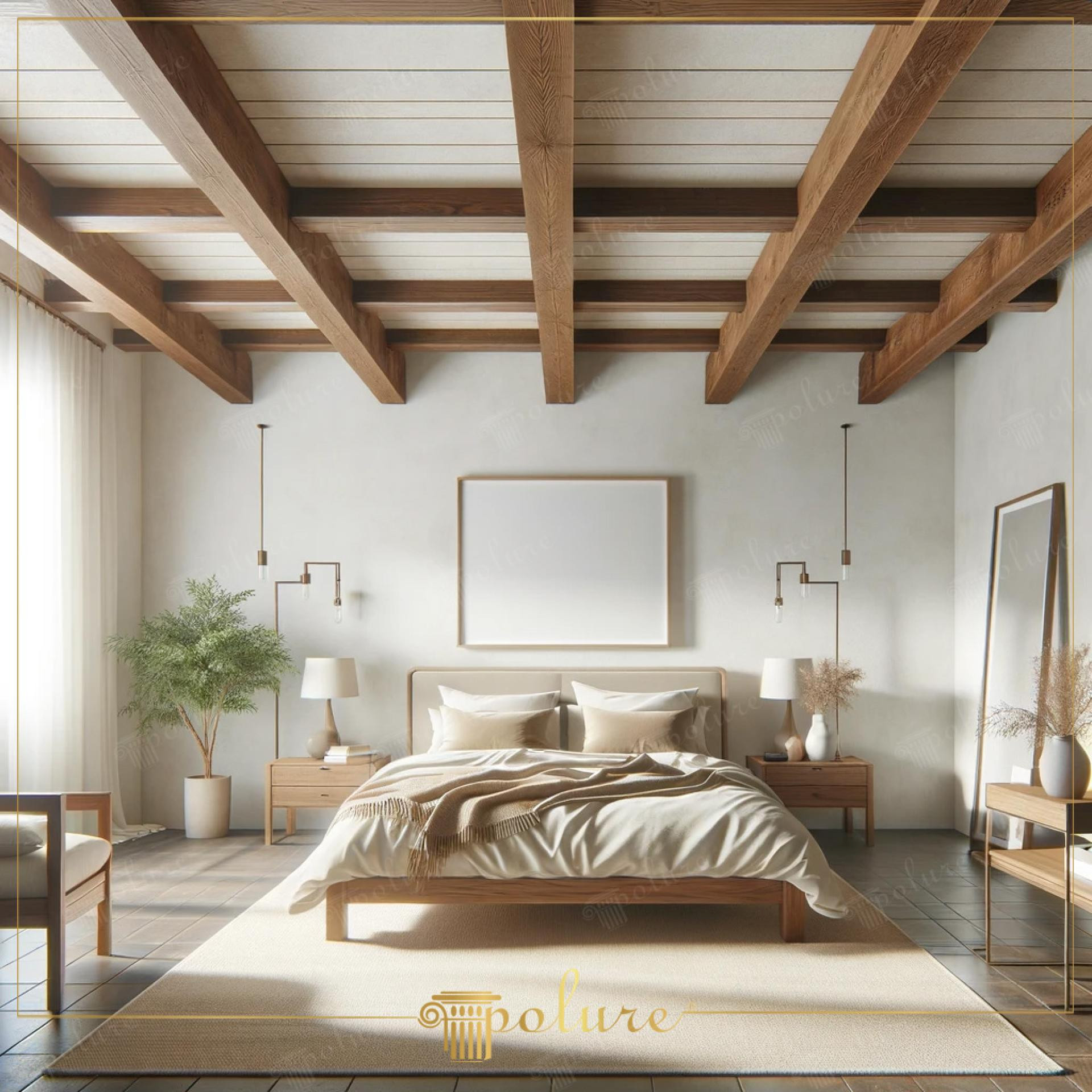
An Elegance Beyond Time Modern Rustic Bedroom with Polyurethane Wooden Beams
This bedroom offers timeless elegance by combining the warmth of polyurethane wooden beams with the simplicity of contemporary furniture. The beams integrated into the high ceilings of the room emphasize the spaciousness of the space, while the natural color palette and minimalist decoration reinforce a spacious and peaceful atmosphere of the room. Every corner of the bedroom combines functionality and aesthetics This design attracts attention with its thoughtful design decisions. This design is an ideal option for those looking for a quiet refuge from the chaos of modern life.

Modern Rustic Bedroom with Polyurethane Beams and Chevron Wood Patterns
Modern Rustic Atmosphere with Polyurethane BeamsThe bedroom is structured with an A-frame ceiling enriched by polyurethane beams that create an architectural rhythm. This choice not only emphasizes rustic tradition but also ensures durability with a lightweight material solution.The ceiling and walls feature carefully arranged chevron and herringbone geometry, where each angle enhances continuity and movement across the surfaces. These geometric patterns anchor the rustic theme and highlight craftsmanship.On the floor, natural wooden planks repeat the herringbone arrangement, guiding the eye toward the central focal point, the bed. A voluminous soft rug balances the strict lines with its organic texture, contrasting the geometry with comfort.Harmonized Decor ElementsThe chandelier with its metallic wireframe sphere reflects a more modern edge, offering soft dispersion of light against the stronger wooden backdrop. Neutral fabrics and bedding layer softness onto the structure, reinforcing a sense of calm.Historical echoes of timber beams used in classical European interiors remind us how rustic architecture has long emphasized exposed structural elements, while today’s modern rustic approach refines these features with minimalism.Chevron ceiling and wall panels emphasize order and movement.Neutral color palette maintains an airy, warm mood.Contrasts between natural textures and geometric details add depth.The fireplace anchors tradition while enhancing warmth in modern elegance. This modern rustic bedroom uses polyurethane beams to establish a structured aesthetic. Chevron and herringbone panels create a sense of movement and detail. The ceiling design emphasizes geometric continuity. A soft cream rug offsets sharp structural lines. The chandelier adds a geometric statement with lightness. Natural light flows through large windows enhancing warmth. Rustic wood tones build visual comfort in every corner. The symmetrical layout emphasizes calm and balance. The stone-toned fireplace anchors the space in solidity. Subtle textiles soften the visual density of wood. Modern rustic style emerges through fusion of tradition and minimalism. Patterns of wood reinforce consistency from floor to ceiling. Neutral colors keep the space bright and soothing. Furniture remains minimal so surfaces can stand out. Ultimately, the design blends geometry, warmth, and intimacy.

Polyurethane log prices refer to the cost of synthetic logs used for decorative ceiling designs.
Polyurethane Log Prices & Decorative Ceiling Log Models
Polyurethane logs have become a popular choice for decorative ceiling models, offering a blend of aesthetic appeal and practical benefits. These faux logs are designed to mimic the appearance of real wood while providing a more durable, low-maintenance, and cost-effective solution. Polyurethane is a versatile polymer that can be molded into various shapes and sizes, making it ideal for creating decorative ceiling logs.
Benefits of Polyurethane Logs
Polyurethane logs offer several advantages over traditional wood logs. They are lightweight, which makes them easy to install, and they are resistant to rot, mold, and insects. Unlike wood, polyurethane does not warp or crack over time, ensuring that the aesthetic appeal of the ceiling logs is maintained for years to come. Additionally, polyurethane logs are available in a wide range of finishes and colors, allowing for customization according to the interior design of a space.
Polyurethane Log Prices
The price of polyurethane logs can vary widely depending on the size, design, and manufacturer. Generally, the cost is competitive with real wood logs, especially when considering the longevity and reduced maintenance costs associated with polyurethane products. Prices can range from moderate for basic models to higher for more intricate designs or custom orders. It's important for buyers to compare prices from different suppliers and consider the long-term benefits of investing in polyurethane logs.
Decorative Ceiling Log Models
Decorative ceiling log models crafted from polyurethane come in various styles, from rustic to contemporary, to suit different architectural designs and personal preferences. These models can enhance the aesthetic of any room, adding warmth, character, and a touch of nature. Some popular models include beams that mimic traditional wooden logs, hollow logs that can serve as unique lighting fixtures, and detailed cornices that add elegance to a room's perimeter.
In conclusion, polyurethane logs for decorative ceilings offer an attractive, durable, and cost-effective alternative to real wood logs. With the benefits of easy installation, low maintenance, and a wide range of design options, they are an excellent choice for both residential and commercial spaces looking to add a unique architectural element.
The history of decorative ceiling log models made of polyurethane focuses on their development and use in interior design.
The Historical Significance of Polyurethane Log Prices in Decorative Ceiling Models
The evolution of interior design has seen a wide range of materials and techniques employed to create aesthetic and functional living spaces. Among these materials, polyurethane stands out for its versatility, durability, and cost-effectiveness. Polyurethane logs, in particular, have carved a niche in the decorative ceiling sector, offering an innovative solution that combines the rustic charm of traditional wooden beams with the benefits of modern technology. This article explores the place of polyurethane log prices in the broader context of historical decorative ceiling models.
The Emergence of Polyurethane in Decorative Ceilings
Polyurethane made its debut in the mid-20th century as a versatile polymer that could be used in various forms, including foams, elastomers, and solid materials. Its introduction into the decorative ceiling market revolutionized the industry by providing a lightweight, easy-to-install, and cost-effective alternative to real wood and other traditional materials. Polyurethane logs quickly gained popularity for their ability to replicate the texture and appearance of natural wood without the associated drawbacks such as susceptibility to rot, pests, or weather-induced damage.
Impact on Architectural Design and Construction
The advent of polyurethane logs had a significant impact on architectural design and construction practices. Designers and architects were now able to incorporate wood-like elements into ceilings without the structural limitations and maintenance requirements of real wood. This innovation opened up new possibilities in design, allowing for more intricate and elaborate ceiling models that were previously impractical or too costly to implement with natural wood.
The Role of Pricing in the Adoption of Polyurethane Logs
Pricing has played a crucial role in the adoption and popularity of polyurethane logs in decorative ceilings. Initially, the cost of polyurethane logs was a significant factor influencing their market penetration. As manufacturing processes have become more efficient and the demand for sustainable and low-maintenance building materials has grown, the prices of polyurethane logs have become increasingly competitive. This affordability, combined with their aesthetic and practical benefits, has made polyurethane logs a preferred choice for both residential and commercial projects.
Conclusion
In conclusion, the historical significance of polyurethane log prices in the context of decorative ceiling models cannot be understated. Polyurethane logs represent a confluence of innovation, practicality, and aesthetic appeal that has transformed the interior design landscape. As technology continues to evolve, the role of polyurethane in decorative ceilings is likely to expand, further cementing its place in the annals of architectural history.
Polyurethane log prices for decorative ceiling models and their features.
Polyurethane Log Prices & Properties for Decorative Ceiling Models
When it comes to enhancing the aesthetic appeal of ceilings, polyurethane logs have become increasingly popular. These decorative elements offer a unique blend of style and functionality, making them a preferred choice for both residential and commercial spaces. In this article, we will explore the properties of polyurethane logs and discuss their prices, helping you make an informed decision for your decorative ceiling projects.
Properties of Polyurethane Logs
Polyurethane logs are known for their exceptional properties, which include:
- Durability: Unlike natural wood, polyurethane is resistant to rot, mold, and mildew, making it a long-lasting option for interior decoration.
- Lightweight: These logs are significantly lighter than real wood, which simplifies the installation process and reduces the load on ceiling structures.
- Flexibility: Polyurethane can be molded into various shapes and sizes, allowing for a wide range of decorative options.
- Maintenance: They require minimal maintenance and can be easily cleaned with a damp cloth, retaining their appearance over time.
Decorative Ceiling Log Models
Decorative ceiling log models come in a variety of styles, from rustic to modern, to match any interior design theme. These models can mimic the look of traditional wooden beams or offer a more contemporary aesthetic, depending on the finishing and color chosen.
Pricing
The price of polyurethane logs for decorative ceilings varies depending on several factors, including the size, design complexity, and quantity. On average, prices can range from moderate to high, making it important to budget accordingly. It's advisable to request quotes from multiple suppliers to ensure competitive pricing and to find the best deal for your specific needs.
Conclusion
Decorative polyurethane logs offer a versatile and durable option for enhancing ceiling designs. With their numerous properties and wide range of models, they can suit various aesthetic preferences and budgets. By considering the factors mentioned above, you can select the perfect polyurethane logs for your ceiling project, adding character and style to any space.
Polyurethane log prices for decorative ceiling models are distinct.
Usage Areas of Polyurethane in Decorative Ceiling Log Models
Polyurethane is a versatile material widely used in various industries due to its flexibility, durability, and resistance to moisture and wear. In the realm of interior decoration, polyurethane has found a special place, particularly in the creation of decorative ceiling log models. These models are designed to mimic the aesthetic of real wood logs while offering the benefits of polyurethane, including ease of maintenance and installation, as well as cost-effectiveness.
Distinctive Features and Benefits
Decorative ceiling log models made from polyurethane boast several distinctive features. They are lightweight, making them easy to install without the need for heavy support structures. Additionally, polyurethane is resistant to rot, insects, and moisture, ensuring that these decorative logs remain pristine for years to come. Their realistic appearance is achieved through high-quality molds that capture the texture and color variations of real wood, allowing for a range of styles from rustic to contemporary.
Application Areas
The application areas of polyurethane decorative ceiling logs are diverse. They are popular in residential settings, such as living rooms and dining areas, where they add warmth and charm. Commercial spaces like restaurants, hotels, and boutique stores also utilize these decorative logs to create inviting and distinctive atmospheres. Furthermore, polyurethane ceiling logs can be used in outdoor settings, such as under porches or in garden pavilions, where they contribute to the aesthetic without the risk of weather-related damage.
Customization and Creativity
One of the advantages of using polyurethane for decorative ceiling logs is the potential for customization. Manufacturers can create logs of various sizes, shapes, and color tones to match the specific design requirements of a project. This flexibility allows for creativity in design, enabling architects and interior designers to achieve unique looks that reflect the personality and preferences of the homeowner or brand.
Environmental Considerations
While polyurethane offers many benefits, it is also important to consider its environmental impact. The production of polyurethane involves chemicals that can be harmful if not managed properly. However, the longevity and durability of polyurethane decorative logs mean they do not need to be replaced frequently, contributing to less waste over time. Additionally, some manufacturers are developing more eco-friendly formulas to reduce the environmental footprint of their products.
Conclusion
In conclusion, polyurethane decorative ceiling log models offer a practical and attractive solution for adding character and style to various spaces. Their versatility, ease of installation, and potential for customization make them a popular choice among designers and homeowners alike. As the industry continues to evolve, it is likely that we will see even more innovative uses and environmentally friendly options in the future.
Decorative ceiling log prices
Polyurethane Polyurethane Log Prices - Decorative Ceiling Log Models
Decorative ceiling log models made from polyurethane have been gaining popularity due to their lightweight, durable, and easy-to-install nature. These faux logs offer the rustic charm of traditional wooden logs without the hefty price tag and maintenance requirements. Polyurethane logs are resistant to moisture, decay, insects, and weather changes, making them an ideal choice for both interior and exterior decorations.
The price of polyurethane ceiling logs can vary widely depending on the size, design, and quality of the logs. On average, prices can range from as low as $100 to as high as $600 per log. Custom designs and larger sizes can increase the price, while standard models and bulk purchases may reduce the cost per log.
When choosing decorative ceiling logs, it's important to consider the overall design of the space, the dimensions of the area where the logs will be installed, and the desired aesthetic. Polyurethane logs come in a variety of styles, from rustic to modern, and can be painted or stained to match any decor.
Installing polyurethane logs is relatively straightforward and can be done by DIY enthusiasts or professional installers. The lightweight nature of these logs means that they can be easily handled and mounted without the need for heavy lifting equipment. However, it's important to follow the manufacturer's instructions closely to ensure a secure and lasting installation.
In conclusion, polyurethane decorative ceiling logs offer a cost-effective, durable, and versatile option for adding a touch of rustic elegance to any space. With a wide range of designs and the ease of installation, these logs are becoming a popular choice for homeowners and designers alike.
Can polyurethane ceiling logs be used on exterior walls?
Polyurethane Log Prices and Applications for Exterior Walls
Polyurethane logs, especially those designed for decorative purposes such as ceiling models, have gained popularity in interior design due to their aesthetic appeal and ease of installation. However, homeowners and builders often wonder if these versatile decorations can also be applied to exterior walls. The answer lies in understanding the properties of polyurethane and the specific requirements for outdoor applications.
Can Polyurethane Logs Be Used on Exterior Walls?
Yes, polyurethane logs can be used on exterior walls, but with certain considerations. Polyurethane is a type of plastic that is lightweight, durable, and resistant to weather, insects, and rot, making it suitable for outdoor use. However, not all polyurethane log models are created for exterior application. When selecting polyurethane logs for outdoor walls, it is crucial to choose products specifically designed for or certified for exterior use. These products are treated with UV stabilizers to prevent degradation from sunlight and are more robust to withstand varying weather conditions.
Benefits of Using Polyurethane Logs on Exterior Walls
- Durability: Polyurethane is resistant to moisture, decay, and insect damage, making it an excellent choice for exterior wall applications.
- Lightweight: Unlike real wood logs, polyurethane logs are lightweight, which simplifies the installation process and reduces the load on structural supports.
- Maintenance: They require minimal maintenance compared to natural wood, as they do not need to be stained or sealed regularly.
- Aesthetic Appeal: Polyurethane logs offer a wide range of designs and finishes, allowing for a customizable appearance that can mimic real wood or offer unique decorative effects.
Considerations for Exterior Application
When using polyurethane logs on exterior walls, there are several factors to consider:
- Ensure the product is intended for exterior use and has UV protection.
- Installation should be done following the manufacturer's guidelines to ensure proper ventilation and drainage behind the logs to prevent moisture accumulation.
- While polyurethane is durable, it may require periodic cleaning to maintain its appearance and longevity.
Polyurethane Log Prices for Exterior Walls
The cost of polyurethane logs for exterior walls can vary widely based on the size, design, and quality of the product. Generally, prices range from moderate to high, reflecting the material's durability and decorative potential. Investing in high-quality, exterior-grade polyurethane logs can offer long-term value, enhancing the aesthetic and resale value of a property.
In conclusion, polyurethane logs can be a practical and attractive option for exterior wall applications, provided they are selected and installed with care. With their durability, low maintenance, and aesthetic versatility, they offer a compelling alternative to traditional materials for those looking to enhance their home's exterior.
Yes, decorative polyurethane ceiling logs can be painted.
Painting Polyurethane Ceiling Logs
Decorative polyurethane ceiling logs offer a unique and aesthetically pleasing option for enhancing interior spaces. These synthetic logs are designed to mimic the appearance of real wood while providing the benefits of durability and low maintenance. A common question among homeowners and decorators is whether these polyurethane logs can be painted to match specific decor themes or color schemes.
Can You Paint Polyurethane Ceiling Logs?
The answer is yes. Polyurethane ceiling logs can be painted, allowing for a wide range of decorative possibilities. However, the process requires careful preparation and the right materials to ensure a lasting finish.
Preparation and Painting Process
Before painting, the surface of the polyurethane log must be properly prepared. This typically involves cleaning the log to remove any dust, dirt, or grease. A light sanding may also be necessary to create a surface that the paint can adhere to more effectively.
When it comes to painting, using a high-quality acrylic latex paint is recommended. This type of paint adheres well to polyurethane and offers excellent coverage and durability. For best results, applying a primer designed for use on plastic surfaces before painting can improve adhesion and overall finish quality.
Advantages of Painting Polyurethane Logs
Painting polyurethane ceiling logs allows for customization to fit any interior design. Whether aiming for a natural wood look or a more vibrant and unique color, painting provides the flexibility to achieve the desired aesthetic. Additionally, painted surfaces are easier to clean and maintain, adding to the practical benefits of using polyurethane logs.
Conclusion
In summary, polyurethane ceiling logs can indeed be painted, offering an effective way to customize and enhance these decorative elements. With proper preparation and the right painting techniques, you can transform polyurethane logs to perfectly match your home's interior design. This versatility, combined with the durability and low maintenance of polyurethane, makes painted ceiling logs an attractive option for homeowners and designers alike.
To apply polyurethane on decorative ceiling log models, follow these steps: 1. Prepare the surface by cleaning it and sanding it lightly. 2. Apply a thin coat of polyurethane using a brush or sprayer. 3. Let it dry according to the product's instructions. 4. Sand the surface lightly again. 5. Apply a second coat of polyurethane. 6. Allow it to dry completely before handling.
Applying Polyurethane on Decorative Ceiling Logs
Decorative ceiling logs are a stunning addition to any room, offering a rustic or modern appeal based on the design. Applying polyurethane to these logs not only enhances their beauty but also protects them from dust, damage, and wear over time. Here’s a step-by-step guide on how to apply polyurethane to your decorative ceiling logs.
Materials Needed
- Fine-grit sandpaper
- Tack cloth or a damp rag
- High-quality polyurethane (water or oil-based depending on your preference)
- Natural bristle brush (for oil-based) or synthetic brush (for water-based polyurethane)
- Protective gear (gloves, mask, goggles)
Preparation
Before applying polyurethane, ensure the surface of the ceiling logs is clean and smooth. Lightly sand the surface with fine-grit sandpaper to remove any rough spots or imperfections. After sanding, use a tack cloth or a damp rag to remove any dust from the logs.
Application
1. Stir the polyurethane gently to avoid creating bubbles. Do not shake the can.
2. Dip the tip of your brush into the polyurethane, loading it lightly. Start applying it to the logs in thin, even coats. Avoid overloading the brush to prevent drips.
3. Apply the first coat and wait for it to dry completely, following the manufacturer’s recommended drying time. This could take a few hours to overnight.
4. Once the first coat is dry, lightly sand the surface again with fine-grit sandpaper to ensure a smooth finish. Remove all dust with a tack cloth or damp rag.
5. Apply a second coat of polyurethane. For areas that receive high traffic or are more exposed, consider applying a third coat for extra protection.
6. Allow the final coat to dry thoroughly. The logs should not be touched or cleaned until the polyurethane has fully cured, which may take several days.
Polyurethane Log Prices
The cost of polyurethane logs varies based on the size, design, and type of polyurethane used. On average, decorative ceiling log models can range from $50 to $300 each. Water-based polyurethane is generally less expensive than oil-based, and may be a cost-effective option for large projects. Always consider the long-term benefits of the finish, including durability and maintenance, when selecting your polyurethane.
Applying polyurethane to your decorative ceiling logs not only preserves their appearance but also ensures they remain a focal point in your space for years to come. With the right preparation and application, you can achieve a professional finish that enhances the natural beauty of the wood while providing protection.
The difference between polyurethane and styrofoam decorative ceiling log models lies in the material they are made from. Polyurethane models are more durable and realistic-looking, while styrofoam models are lighter and more affordable.
Difference Between Polyurethane and Styrofoam Ceiling Logs
When it comes to decorative ceiling log models, two popular materials often come into consideration: polyurethane and styrofoam. Both materials offer unique benefits and characteristics, making them suitable for different applications in interior design. Understanding the differences between these materials can help homeowners and designers make informed decisions for their projects.
Polyurethane Ceiling Logs
Polyurethane, a type of polymer, is known for its durability and resistance to wear and tear. Polyurethane ceiling logs are crafted to mimic the look and feel of real wood while offering several advantages. Firstly, they are lightweight, making them easy to install without the need for heavy structural support. Secondly, polyurethane is resistant to moisture, mold, and mildew, which makes it an excellent choice for environments where these factors might be a concern. Additionally, polyurethane logs are robust and can withstand impacts and resist damage, maintaining their aesthetic appeal over time.
Styrofoam Ceiling Logs
Styrofoam, on the other hand, is a form of expanded polystyrene (EPS) that is also lightweight and easy to install. Styrofoam ceiling logs are known for their excellent insulation properties, making them a great choice for energy efficiency. They are also cost-effective, which can be a significant advantage for large projects or for those on a tight budget. However, styrofoam is less durable than polyurethane and can be prone to damage from impacts or punctures. It is also less resistant to moisture compared to polyurethane, which may limit its use in certain environments.
Choosing Between Polyurethane and Styrofoam
The choice between polyurethane and styrofoam ceiling logs ultimately depends on the specific requirements of the project. For areas that require durable and moisture-resistant materials, polyurethane is the preferable choice. Its longevity and ability to mimic the look of real wood also add to its appeal. On the other hand, for projects where insulation and cost are significant concerns, styrofoam can offer an effective solution. However, its susceptibility to damage and lower resistance to moisture should be taken into account.
In conclusion, both polyurethane and styrofoam ceiling logs offer distinct advantages for decorative purposes. By considering factors such as durability, moisture resistance, insulation properties, and cost, designers and homeowners can select the material that best suits their needs and preferences.
The difference is between two types of polyurethane log prices - those for decorative ceiling log models made of plaster and those for decorative ceiling log models made of polyurethane.
Differences Between Polyurethane Logs: Prices and Models for Decorative Ceilings
When it comes to interior design, decorative ceiling logs made from polyurethane offer a unique blend of aesthetic appeal and practical benefits. However, not all polyurethane logs are created equal, and understanding the differences between various models and their prices is essential for anyone looking to enhance their space.
Understanding Polyurethane
Polyurethane is a versatile polymer that can be engineered to mimic the texture and appearance of natural wood while providing superior durability and moisture resistance. This makes it an ideal material for decorative logs, especially in environments where real wood could warp or deteriorate.
Decorative Ceiling Log Models
Decorative ceiling logs come in various models, each designed to suit different aesthetic preferences and architectural styles. From rustic to contemporary, polyurethane logs can be crafted to complement any room's decor. Key factors that differentiate these models include size, texture, color, and the level of detail in the wood grain imitation.
Polyurethane Log Prices
The prices of polyurethane logs vary widely based on the complexity of the models and the quality of the materials used. Basic, standard-sized logs with simple textures may be more affordable, while larger logs with intricate details and customized finishes will be priced higher. The cost-effectiveness of polyurethane, compared to real wood, especially for decorative purposes, makes it an attractive option for many homeowners and designers.
Choosing the Right Polyurethane Log
When selecting a polyurethane log for your ceiling, consider the overall design theme of the room, the desired ambiance, and, of course, your budget. It's also important to source your logs from reputable manufacturers who use high-quality polyurethane to ensure longevity and satisfaction with your decorative investment.
In conclusion, decorative ceiling logs made from polyurethane offer a practical and attractive option for enhancing the interior decor. By understanding the differences in models and pricing, you can make an informed decision that aligns with your aesthetic preferences and budgetary requirements.
Polyurethane precast is made from a type of plastic that's strong and lightweight. GRC precast, or Glassfibre Reinforced Concrete precast, is concrete mixed with glass fibers to make it stronger and lighter.
Difference Between Polyurethane Precast and GRC Precast
Introduction
In the construction industry, precast materials play a crucial role in building design and structural integrity. Two notable materials in this category are Polyurethane (PU) precast and Glassfibre Reinforced Concrete (GRC) precast. Each has its unique properties, applications, and benefits. Understanding the differences between these two materials can help professionals make informed decisions for their projects.
What is Polyurethane Precast?
Polyurethane precast is a type of building material made from high-density polyurethane foam. It is known for its lightweight, insulation properties, and versatility in design. PU precast is often used for decorative elements, moldings, and facades in buildings. Its light weight makes it easy to install and reduces the load on structures.
What is GRC Precast?
GRC precast, or Glassfibre Reinforced Concrete precast, is a composite material consisting of cement, fine aggregates, water, chemical admixtures, and alkali-resistant glass fibers. It is celebrated for its strength, durability, and fire-resistant properties. GRC is commonly used in exterior building facades, architectural cladding, and landscaping elements.
Key Differences
- Material Composition: PU precast is primarily made of polyurethane foam, whereas GRC precast consists of a concrete mix reinforced with glass fibers.
- Weight: Polyurethane precast is significantly lighter than GRC precast, making it easier to handle and install.
- Strength and Durability: GRC precast tends to be stronger and more durable than PU precast, with better resistance to weathering and wear.
- Thermal Insulation: PU precast offers better thermal insulation compared to GRC precast, making it a preferred choice for energy-efficient building designs.
- Applications: While both materials can be used for decorative purposes, GRC precast's strength makes it suitable for structural elements, whereas PU precast is often used for lightweight, non-load bearing components.
Conclusion
Choosing between Polyurethane precast and GRC precast depends on the specific needs of a construction project. Factors such as weight, strength, durability, insulation properties, and intended use play a significant role in determining the most suitable material. By understanding the key differences between PU precast and GRC precast, architects, engineers, and builders can optimize their designs for both performance and aesthetics.
Polyurethane Ceiling Log Prices - Prices for Decorative Ceiling Log Models
Polyurethane Log Prices for Decorative Ceiling Models
Decorative ceiling models have become a significant trend in modern interior design, offering a unique blend of aesthetic appeal and practical functionality. Among the materials used for these decorative touches, polyurethane logs stand out for their durability, ease of installation, and versatility in design. This article provides an overview of polyurethane log prices for decorative ceiling models, helping homeowners and designers make informed decisions for their projects.
Understanding Polyurethane Logs
Polyurethane logs are synthetic building materials that mimic the appearance of real wood while offering superior resistance to moisture, insects, and decay. They are lightweight, which makes them easy to install on ceilings without the need for heavy structural support. Polyurethane logs come in a variety of sizes, shapes, and finishes, allowing for customization according to the specific design requirements of a project.
Factors Influencing Prices
The cost of polyurethane logs for decorative ceiling models can vary widely based on several factors, including:
- Size and Thickness: Larger and thicker logs tend to be more expensive due to the increased amount of material used.
- Design Complexity: Custom designs or intricate patterns may increase the price.
- Finish and Texture: Logs with specialized finishes or textures can command higher prices.
- Brand and Quality: Premium brands known for their high-quality products may charge more.
Price Range
Prices for polyurethane logs used in decorative ceiling models can range from as low as $30 to $100 or more per log, depending on the factors mentioned above. It's essential to consider the total number of logs needed for a project, as this will significantly affect the overall cost. Additionally, while evaluating prices, it's crucial to factor in the longevity and low maintenance costs of polyurethane materials, which may offset the initial investment over time.
Conclusion
Choosing polyurethane logs for decorative ceiling models is an excellent way to add character and warmth to a space. While the initial cost may be higher than some traditional materials, the benefits of durability, ease of installation, and aesthetic versatility make it a worthwhile investment for many homeowners and designers. As with any building material, prices can vary, so it's advisable to shop around and get quotes from different suppliers to find the best deal that meets your specific needs and budget.
Information Gallery
List of detailed descriptions of images in the image gallery.