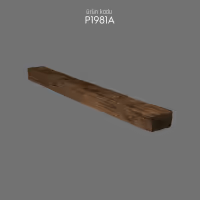
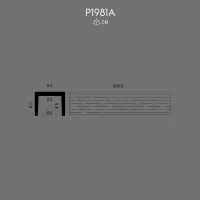
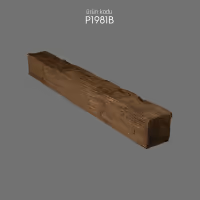
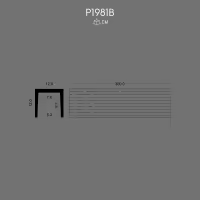
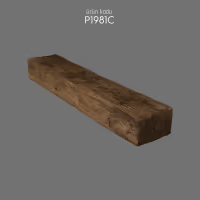
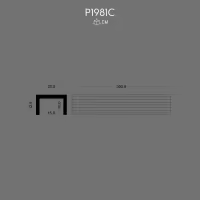
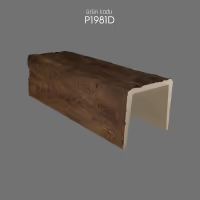
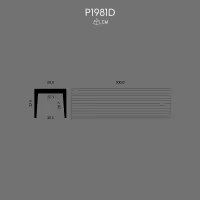
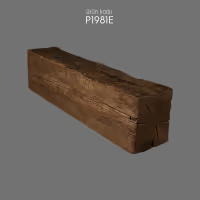
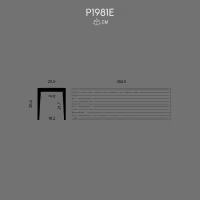
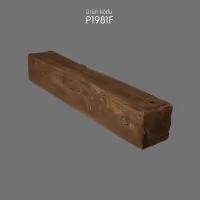
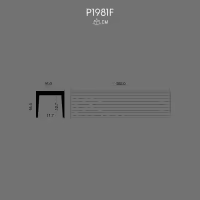
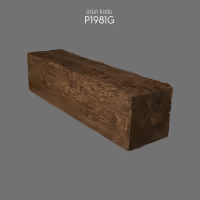
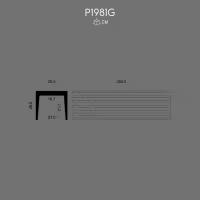
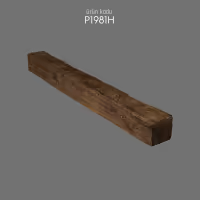
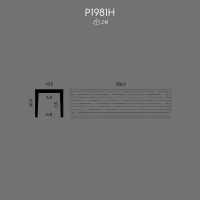
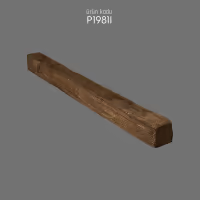
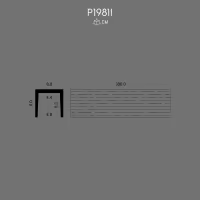
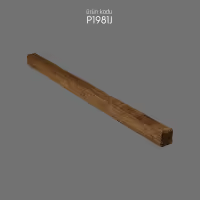
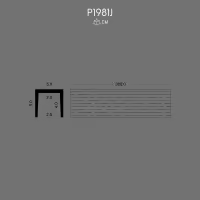
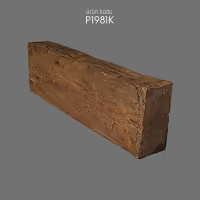
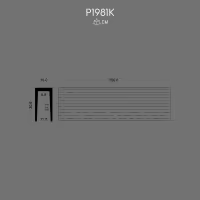
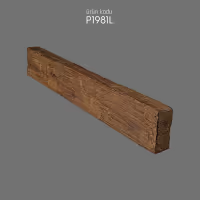
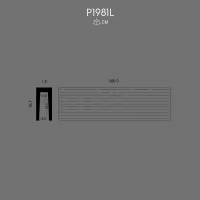
Polyurethane Beam Wood Textured ceiling beams Videos
Polyurethane Wooden Wheel
Polyurethane Wooden Look Horse Carriage Wheel Polyurethane wooden ceiling hubs which you can use to create a whole with the polyurethane logs you use to create an authentic and decent environment create a decoration from piece to whole It does not cause any deformation Wooden Rustic Ceiling Core prices and model that you can use as a decorative motif on your ceilings
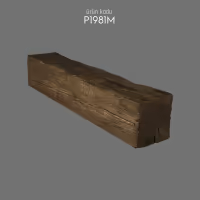
Polyurethane beams with a wood texture for ceilings are artificial beams designed to look like wood and are used for decorative purposes on ceilings.
Polyurethane Wood Textured Ceiling Beams
Polyurethane wood textured ceiling beams are a revolutionary architectural element that combines the classic aesthetic appeal of traditional wood beams with the durability and versatility of modern materials. Made from high-density polyurethane foam, these beams are meticulously crafted to replicate the natural appearance and texture of real wood. The result is a lightweight, easy-to-install product that can be used to enhance the architectural design of both residential and commercial spaces.
Benefits of Polyurethane Ceiling Beams
- Lightweight: Polyurethane beams are much lighter than real wood beams, making them easier to handle and install. This reduces labor costs and makes them suitable for a wide range of applications.
- Durable: Unlike wood, polyurethane is resistant to decay, termites, and moisture, ensuring that your ceiling beams maintain their beauty and structural integrity over time.
- Versatile: These beams can be manufactured in a wide variety of sizes, shapes, and finishes to match any design aesthetic, from rustic to contemporary.
- Cost-Effective: Polyurethane beams are generally more affordable than solid wood beams, offering a cost-effective way to achieve a high-end look.
- Easy Installation: Their lightweight nature combined with their ease of customization allows for quick and easy installation, often without the need for structural modifications.
Applications
Polyurethane wood textured ceiling beams are ideal for a variety of architectural styles and settings. They can be used in residential homes to add character and warmth to living rooms, kitchens, and bedrooms. In commercial spaces, they provide an elegant, sophisticated touch to restaurants, hotels, and office buildings. Their versatility also makes them suitable for outdoor applications, such as covered patios and porches, where they contribute to a natural, inviting ambiance.
Conclusion
In conclusion, polyurethane wood textured ceiling beams offer a unique combination of beauty, durability, and versatility. They provide an easy, cost-effective solution for adding depth and character to any space, without the drawbacks of traditional wood beams. Whether you're renovating an old space or designing a new one, polyurethane beams can help you achieve your desired aesthetic with ease.
Polyurethane beam wood textured ceiling beams have a role in architectural history as a modern solution for achieving the aesthetic of wood beams with more durable, lightweight, and cost-effective materials. They represent an evolution in building materials, blending traditional wood beam appearances with contemporary manufacturing technologies.
The Historical Significance of Polyurethane Beam Wood Textured Ceiling Beams
The evolution of architectural materials and techniques is a fascinating journey through history, reflecting the changes in technology, aesthetics, and material availability. Among the many innovations that have left a mark on the construction and design industries, polyurethane beam wood textured ceiling beams hold a unique place. These beams, which mimic the appearance of traditional wood, have become a popular choice in both residential and commercial spaces, merging the charm of the old with the benefits of modern technology.
The Emergence of Polyurethane Beams
Polyurethane, a type of polymer, emerged as a versatile material in the mid-20th century. Its application in construction, particularly in decorative elements, grew rapidly due to its durability, resistance to wear and tear, and ease of maintenance. Polyurethane beams, designed to replicate the texture and appearance of natural wood, were introduced as a cost-effective and practical alternative to traditional wooden beams.
Historical Context
Wooden beams have been a fundamental element in construction for thousands of years, serving both structural and aesthetic purposes. From the majestic oak beams of medieval Europe to the intricate carvings of Eastern architecture, wood has been revered for its beauty and strength. However, issues such as susceptibility to rot, pests, and the need for regular maintenance have always been challenges.
Revolutionizing the Aesthetic Appeal
The introduction of polyurethane beam wood textured ceiling beams revolutionized the way architects and designers approached interior and exterior aesthetics. These beams offered the timeless appeal of wood without the associated drawbacks. They could be installed in environments where traditional wood might suffer, such as in humid or termite-prone areas, making them an ideal solution for a wide range of climates and settings.
Environmental Impact
Another significant aspect of the adoption of polyurethane beams is their environmental impact. The production of polyurethane beams requires less wood, helping to reduce deforestation and preserve natural resources. Furthermore, their longevity and low maintenance requirements contribute to a reduction in material waste over time.
Conclusion
While polyurethane beam wood textured ceiling beams may not have the centuries-old history of traditional wood, their place in the narrative of architectural materials is undeniable. They represent a convergence of tradition and innovation, offering a sustainable, durable, and aesthetically pleasing alternative to one of the oldest construction materials known to humanity. As we continue to explore and develop new materials and technologies, the story of polyurethane beams reminds us of the importance of balancing the past with the future in our quest for progress and sustainability.
Polyurethane beams with a wood texture for ceilings.
Polyurethane Wood Textured Ceiling Beams Properties
Polyurethane ceiling beams that mimic the texture and appearance of wood have become a popular architectural feature in both residential and commercial spaces. These beams offer the aesthetic appeal of traditional wood beams but with several added benefits stemming from their unique material properties. This article explores the key properties and advantages of polyurethane wood textured ceiling beams.
Durability
Polyurethane is known for its exceptional durability. Unlike natural wood, polyurethane beams are not susceptible to rot, decay, or insect damage. This makes them an ideal choice for environments that would normally pose challenges to wood beams, such as areas with high humidity or those prone to termite infestation.
Lightweight
Despite their robust appearance, polyurethane beams are significantly lighter than solid wood beams. This lightweight nature facilitates easier and faster installation, as it reduces the structural load on buildings and eliminates the need for heavy lifting equipment during the installation process.
Maintenance
Maintenance requirements for polyurethane wood textured ceiling beams are minimal. They do not need to be stained, sealed, or treated for pests. Occasional dusting or wiping with a damp cloth is typically all that is needed to keep them looking their best.
Customization
One of the most appealing aspects of polyurethane beams is their versatility in terms of design and customization. They can be manufactured in a wide range of sizes, shapes, and textures to mimic various types of wood. This allows for a high degree of personalization in architectural projects, enabling designers to achieve the desired look and feel without the limitations of using real wood.
Cost-Effectiveness
When compared to traditional wood beams, polyurethane beams are often more cost-effective. This is due to their longevity, low maintenance requirements, and ease of installation. Additionally, they provide an economical way to achieve the aesthetic of wood beams without the expense of purchasing and installing real wood.
Environmental Impact
Choosing polyurethane beams over real wood can also have a positive impact on the environment. It reduces the demand for timber, thereby contributing to the conservation of forests. Furthermore, the long lifespan and durability of polyurethane beams mean they need to be replaced less frequently, reducing waste.
In conclusion, polyurethane wood textured ceiling beams offer a practical and attractive alternative to traditional wood beams. Their durability, lightweight nature, low maintenance, customization options, cost-effectiveness, and reduced environmental impact make them an excellent choice for both modern and traditional design projects.
Are the applications of polyurethane beams with wood texture for ceiling decoration distinct?
Polyurethane Wood-Textured Ceiling Beams: Versatile Decoration Solutions
Polyurethane beams with a wood texture offer a versatile and practical solution for ceiling decoration in various settings. These synthetic beams replicate the look of real wood while providing benefits such as durability, ease of installation, and maintenance. Unlike traditional wood beams, polyurethane beams are lightweight, resistant to moisture, insects, and decay, making them ideal for both residential and commercial applications.
Residential Use
In residential spaces, polyurethane wood-textured ceiling beams can enhance the aesthetic appeal of living rooms, kitchens, bedrooms, and more. They add warmth and character to a space, evoking the charm of traditional woodwork without the associated maintenance. Homeowners can choose from a variety of textures, colors, and sizes to match their decor, making these beams highly customizable and suitable for a wide range of interior styles, from rustic to modern.
Commercial Use
Commercially, polyurethane beams are utilized to add architectural interest and elegance to spaces such as restaurants, hotels, offices, and retail stores. Their lightweight nature allows for easy installation in large spaces, and their durability ensures they can withstand the rigors of high-traffic environments. Furthermore, polyurethane beams can be used to conceal wiring, plumbing, or other elements, helping to achieve a clean and polished look.
Outdoor Applications
Although primarily used indoors, polyurethane wood-textured beams are also suitable for outdoor applications. They can be used in patios, porches, and outdoor kitchens, where real wood might suffer from exposure to the elements. Polyurethane beams maintain their appearance over time, resisting fading and wear, making them an excellent choice for adding architectural detail to outdoor living spaces.
Benefits of Polyurethane Beams
- Durability: Resistant to moisture, insects, and decay.
- Lightweight: Easy to handle and install, reducing labor costs.
- Maintenance-Free: No need to stain, seal, or repaint.
- Versatility: Suitable for a wide range of design styles and applications.
- Cost-Effective: More affordable than real wood beams, especially in large quantities or intricate designs.
In conclusion, polyurethane wood-textured ceiling beams offer a flexible and cost-effective solution for enhancing the aesthetic appeal of both indoor and outdoor spaces. With their realistic appearance, durability, and ease of installation, they provide an attractive alternative to traditional wood beams, suitable for a wide variety of design requirements.
Polyurethane wood-textured ceiling beam models.
Polyurethane Wood Textured Ceiling Beams
Polyurethane wood textured ceiling beams offer a unique blend of aesthetic appeal and practicality, making them a popular choice for homeowners and interior designers alike. These beams replicate the look and feel of real wood, providing a warm and rustic charm to any room, without the weight and difficulty of installation associated with traditional wooden beams.
Advantages of Polyurethane Beams
One of the primary benefits of using polyurethane beams is their lightweight nature. Unlike real wood, polyurethane is much lighter, making the beams easier to handle and install. This reduces the overall time and cost involved in the installation process. Additionally, polyurethane beams are resistant to moisture, pests, and decay, ensuring longevity and durability in a variety of environments.
Design and Models
Polyurethane beams come in a variety of designs and models, from traditional rustic to modern contemporary, to suit any decor style. Whether you are looking to add character to a new build or bring historical charm to a renovation, there is a polyurethane wood textured beam model to meet your needs. These beams can also be painted or stained to match any color scheme, providing further flexibility in design.
Installation
Installing polyurethane wood textured ceiling beams is straightforward and can often be completed by a DIY enthusiast with basic tools. The beams are typically mounted directly to the ceiling using screws or adhesive, depending on the specific product and installation requirements. It's important to follow the manufacturer's instructions closely to ensure a secure and visually appealing result.
Conclusion
Polyurethane wood textured ceiling beams are an excellent choice for anyone looking to enhance the aesthetic appeal of their space with the look of wood, without the associated maintenance and installation challenges. With a wide range of designs and easy installation, these beams offer a practical and stylish solution for ceiling decoration.
Can polyurethane beams that look like wood be used on the outside of buildings?
Can Polyurethane Wood Textured Beams Be Used on Exterior Walls?
Polyurethane beams, designed to mimic the look and texture of real wood, have become increasingly popular for their lightweight, durable, and easy to install nature. Typically used for interior decorations, such as ceiling enhancements, these beams can significantly improve the aesthetic appeal of a room. However, a common question arises regarding their suitability for exterior use, especially on exterior walls.
The answer is yes, polyurethane beams can be used on exterior walls under certain conditions. These synthetic beams are manufactured to withstand the elements, including UV rays, rain, and temperature fluctuations, making them a viable option for exterior applications. Here's why polyurethane beams are suitable for your exterior walls:
- Durability: Polyurethane is a highly durable material that resists rot, pests, and water damage, unlike natural wood. This makes it an excellent choice for exterior wall applications where these issues are a concern.
- Maintenance: Unlike real wood, polyurethane beams require minimal maintenance. They do not need to be stained or sealed regularly, saving time and money in the long run.
- Appearance: Polyurethane beams are crafted with a high degree of detail, closely mimicking the texture and color of real wood. This allows for a natural wood appearance without the drawbacks associated with real wood.
- Versatility: These beams can be manufactured in a wide range of sizes, shapes, and finishes, offering flexibility in design for exterior wall applications.
When considering polyurethane beams for exterior walls, it's important to ensure proper installation. Make sure to follow the manufacturer's guidelines for exterior use to prevent any issues related to improper installation. Additionally, while polyurethane beams are weather-resistant, it's advisable to check their performance in your specific climate over time.
In conclusion, polyurethane beams are an excellent option for enhancing the exterior walls of a building. Their durability, low maintenance, and aesthetic appeal make them a smart choice for those looking to mimic the appearance of wood without the associated upkeep. As with any exterior application, proper installation and occasional inspection will ensure these beams maintain their beauty and functionality for years to come.
Yes, polyurethane wood-textured ceiling beams can be painted.
Painting Polyurethane Wood Textured Ceiling Beams
When it comes to adding character and warmth to a room, few elements can match the appeal of wood-textured ceiling beams. However, not everyone can afford or choose to install real wood beams. This is where polyurethane beams come into play. Polyurethane beams offer the look of wood without the weight, cost, or maintenance. But what about customization? Can these faux beams be painted to match your decor? The answer is a resounding yes.
Preparing to Paint Polyurethane Beams
Before you start painting your polyurethane beams, it's essential to prepare them properly to ensure the paint adheres well and lasts a long time. Start by cleaning the beams thoroughly with a mild detergent and water to remove any dust, dirt, or grease. After cleaning, lightly sand the surface with fine-grit sandpaper. This step helps to roughen the texture slightly, allowing the paint to grip better. Once sanded, wipe down the beams with a damp cloth to remove any dust from sanding, and let them dry completely.
Choosing the Right Paint
Not all paints are suitable for polyurethane surfaces. For the best results, choose a high-quality acrylic latex paint. These paints adhere well to polyurethane and are flexible enough to accommodate any expansion or contraction of the beams due to temperature changes. If you're aiming for a more durable finish, consider using a primer designed for plastic or non-porous surfaces before applying your topcoat. This step will enhance the paint's adhesion and longevity.
Painting Your Beams
When it comes to painting, use a high-quality brush or roller designed for use with acrylic paints. Start with a thin coat of primer if you've decided to use one, following the manufacturer's directions for drying times. Once the primer is dry, apply your acrylic latex paint in thin, even coats. It's better to apply several thin coats rather than one thick coat to avoid drips and ensure a smooth finish. Allow each coat to dry thoroughly before applying the next.
Maintenance and Care
Once painted, your polyurethane beams should require minimal maintenance. Dust them regularly to prevent buildup and gently clean with a damp cloth if needed. If the paint ever chips or wears, you can easily touch up the affected areas with a bit more paint. With proper care, your painted polyurethane beams will continue to enhance your home's aesthetic for years to come.
Conclusion
In conclusion, polyurethane wood-textured ceiling beams can indeed be painted, allowing homeowners to customize their appearance to match any interior design scheme. By properly preparing the beams, choosing the right paint, and applying it with care, you can achieve a durable and attractive finish that mimics the beauty of real wood without the hassle or expense.
To apply polyurethane to wood textured ceiling beams, follow these simplified steps: 1. Clean the beams to remove dust and dirt. 2. Lightly sand the surface for better adhesion. 3. Apply a thin coat of polyurethane with a brush or sprayer. 4. Let it dry as per the product instructions. 5. Apply additional coats for desired finish, allowing drying time between coats. 6. Sand lightly between coats if needed for a smooth finish.
How to Apply Polyurethane on Polyurethane Beam Wood Textured Ceiling Beams
Applying polyurethane to polyurethane beam wood textured ceiling beams is an excellent way to enhance their durability and appearance. This guide will walk you through the steps to successfully apply polyurethane to your ceiling beams.
Materials Needed
- Fine-grit sandpaper
- Tack cloth or a lint-free cloth
- High-quality polyurethane (water or oil-based depending on your preference)
- Natural bristle brush (for oil-based) or synthetic brush (for water-based polyurethane)
- Protective gloves
- Well-ventilated workspace
Steps
- Prepare the Area: Ensure the room is well-ventilated. Cover any furniture or floors under the beams to protect from drips.
- Sand the Beams: Lightly sand the surface of the beams with fine-grit sandpaper to ensure the polyurethane adheres well. Be careful to maintain the texture of the beams.
- Clean the Beams: Use a tack cloth or a lint-free cloth to remove all dust from the beams after sanding.
- Apply the First Coat: Using your chosen brush, apply a thin, even coat of polyurethane along the beam. Work with the grain, and avoid over-applying to prevent drips.
- Let it Dry: Allow the first coat to dry completely, following the manufacturer’s recommended drying time. This can vary between water and oil-based polyurethanes.
- Light Sanding: Once dry, lightly sand the beam again with fine-grit sandpaper, then clean with a tack cloth or lint-free cloth to remove dust.
- Apply Subsequent Coats: Repeat the process of applying thin coats, sanding, and cleaning between each coat. Typically, two to three coats are sufficient, but you may adjust based on the desired finish and protection level.
- Final Drying: Allow the final coat to dry thoroughly. Avoid touching or disturbing the beams during this time to ensure a smooth finish.
Conclusion
Applying polyurethane to your wood textured ceiling beams not only protects them but also brings out the beauty of the wood. With the right preparation and application, you can achieve a durable and attractive finish that will last for years. Remember to work in a well-ventilated area and follow the product's specific instructions for the best results.
Polyurethane wood-textured ceiling beams are durable and realistic-looking. Styrofoam wood-textured beams are lighter and easier to install but may not look as authentic.
Difference Between Polyurethane and Styrofoam Wood Textured Ceiling Beams
When it comes to enhancing the aesthetic appeal of ceilings, both polyurethane and styrofoam beams with wood texture are popular choices. Despite their similar appearance, these materials have distinct characteristics and benefits. Understanding the difference between them is crucial for making an informed decision based on your specific needs and preferences.
Material Composition
Polyurethane Beams are made from a type of plastic that is both lightweight and durable. This material can mimic the look and feel of real wood very closely, making it a preferred choice for those seeking a realistic wood appearance without the weight and potential for decay associated with natural wood.
Styrofoam Beams, on the other hand, are crafted from expanded polystyrene (EPS), a lightweight, foam-based material. While styrofoam can also be shaped and painted to look like wood, it tends to have a less realistic appearance and texture compared to polyurethane.
Durability and Longevity
Polyurethane beams generally offer superior durability and resistance to wear and tear compared to styrofoam beams. They are better suited to withstand environmental factors such as moisture and temperature changes, making them ideal for use in a variety of climates. Polyurethane is also resistant to mold, mildew, and insects, contributing to its longevity.
Styrofoam beams, while relatively durable, are more susceptible to damage from physical impact and environmental conditions. They may not last as long as polyurethane beams, especially in outdoor or high-humidity environments.
Installation and Maintenance
Both polyurethane and styrofoam beams are lightweight and easy to install, often requiring only basic tools and adhesives. However, polyurethane beams are generally heavier than styrofoam, which may necessitate additional support or reinforcement during installation.
In terms of maintenance, both materials are relatively low-maintenance. They can be dusted or wiped clean with a damp cloth. However, polyurethane beams may hold up better over time and require less frequent touch-ups or repairs.
Cost Considerations
The cost of polyurethane and styrofoam beams can vary widely depending on the manufacturer, size, and design complexity. Generally, polyurethane beams are more expensive than styrofoam beams due to their superior durability and more realistic appearance. However, the initial investment in polyurethane beams may be offset by their longer lifespan and lower maintenance requirements.
Conclusion
Choosing between polyureomthane and styrofoam wood textured ceiling beams depends on a variety of factors including budget, desired aesthetic, and specific application requirements. Polyurethane beams are ideal for those looking for durability, a realistic wood appearance, and are willing to invest a bit more. Styrofoam beams, while more affordable and easier to handle, may not offer the same level of realism or longevity. Carefully consider the characteristics of each material to select the best option for your space.
The difference is between two types of ceiling beams: one is a plaster version, and the other is made of polyurethane but designed to mimic wood texture.
Differences Between Polyurethane Wood Textured Ceiling Beams and Plaster Beams
When it comes to enhancing the aesthetic appeal of a room, ceiling beams can play a significant role. Two popular materials for these beams are polyurethane with a wood texture and plaster. While both options can visually elevate a space, they come with distinct differences that might make one more suitable than the other depending on the project requirements.
Polyurethane Wood Textured Ceiling Beams
Polyurethane beams that mimic the texture and appearance of wood are a modern solution for adding warmth and character to a room without the weight and cost of real wood. These beams are lightweight, making them easier to install, and are resistant to moisture and pests, which contributes to their durability. The versatility in design and the ability to custom-match finishes make polyurethane wood-textured beams a flexible option for various interior styles.
Plaster Ceiling Beams
Plaster beams, on the other hand, offer a more traditional and solid appearance. They are often used in restoration projects or to add a sense of antiquity and texture to new constructions. Plaster can be molded into intricate designs, allowing for a high level of detail and customization. However, plaster beams are heavier and require a more involved installation process. They are also more susceptible to damage from moisture and physical impact compared to their polyurethane counterparts.
Key Differences
- Material Composition: Polyurethane beams are made from a synthetic material that mimics wood, while plaster beams are made from a mixture of water, gypsum, and fiber.
- Weight: Polyurethane beams are significantly lighter than plaster beams, affecting the ease of installation and the structure's load-bearing requirements.
- Durability: Polyurethane is more resistant to moisture and pests, making it a more durable option in certain environments. Plaster, while solid, is more prone to cracking and moisture damage.
- Customization: Both materials allow for customization in terms of size and design, but plaster can accommodate more intricate detailing.
Conclusion
Choosing between polyurethane wood-textured ceiling beams and plaster beams depends on the specific needs of a project, including considerations of weight, durability, installation, and aesthetic preferences. Polyurethane beams offer a practical and versatile solution with easier installation and maintenance, while plaster beams provide a traditional look with the potential for more detailed customization. Understanding these differences can help homeowners, designers, and contractors make informed decisions to achieve the desired outcome for their space.
Polyurethane precast is made from a type of plastic that's strong and lightweight, while GRC precast is made from a mix of cement and glass fibers, making it tough and durable.
Difference Between Polyurethane Precast and GRC Precast
Introduction
In the construction industry, precast materials play a crucial role due to their durability, versatility, and efficiency. Among the various precast materials, polyurethane precast and Glassfibre Reinforced Concrete (GRC) precast are widely used for different applications. While both materials offer unique advantages, understanding their differences is essential for selecting the right material for your project.
What is Polyurethane Precast?
Polyurethane precast refers to a construction material made by casting polyurethane, a type of polymer, into molds to form various shapes and sizes. Polyurethane is known for its lightweight, excellent thermal insulation, and versatility in design. It is often used for decorative elements, architectural details, and insulation panels in buildings.
What is GRC Precast?
GRC precast, or Glassfibre Reinforced Concrete precast, is a composite material made by combining cement, fine aggregates, water, chemical admixtures, and alkali-resistant glass fibers. GRC is celebrated for its high strength-to-weight ratio, durability, and ability to be molded into thin, lightweight panels with intricate details. It is commonly used for exterior building facades, cladding panels, and ornamental features.
Key Differences
- Material Composition: Polyurethane precast is primarily made from polymers, whereas GRC precast combines concrete with glass fibers.
- Weight: Polyurethane precast products are generally lighter than GRC precast, making them easier to handle and install.
- Thermal Insulation: Polyurethane offers superior thermal insulation compared to GRC, making it a preferred choice for insulation applications.
- Strength: GRC precast boasts a higher strength-to-weight ratio, providing enhanced durability and load-bearing capacity for structural elements.
- Environmental Impact: GRC precast is more environmentally friendly, as it is made from natural materials and consumes less energy during production.
- Design Flexibility: Both materials offer excellent design flexibility, but GRC can be molded into more intricate shapes and finer details.
Conclusion
Choosing between polyurethane precast and GRC precast depends on the specific requirements of your project. Polyurethane precast is ideal for lightweight, thermally insulated applications, while GRC precast is better suited for durable, high-strength components with complex designs. By understanding the unique properties and benefits of each material, architects and builders can make informed decisions to achieve the best results for their construction projects.
Prices for polyurethane beams with wood texture for ceilings.
Polyurethane Wood Textured Ceiling Beams Prices
When it comes to enhancing the aesthetic appeal of interiors, homeowners and designers alike often turn to the timeless elegance of wood. However, real wood beams, while beautiful, can be prohibitively expensive and require significant maintenance. This is where polyurethane wood textured ceiling beams come into play. Offering the look and feel of real wood without the hefty price tag and upkeep, these beams have become increasingly popular in both residential and commercial spaces.
Polyurethane beams are crafted from high-density foam that is molded and textured to mimic the appearance of natural wood. They are lightweight, making them easy to install without the need for structural modifications or professional help. This not only cuts down on installation costs but also makes them a practical choice for a wide range of projects.
The price of polyurethane wood textured ceiling beams can vary widely depending on several factors, including the length, width, and complexity of the design. On average, the cost can range from $100 to $500 per beam. Custom designs or larger beams can increase the price, while standard sizes and simpler textures might be at the lower end of the price spectrum.
Despite the initial investment, these beams offer significant long-term savings. They are resistant to warping, rotting, and pests, which are common issues with real wood. Additionally, they require minimal maintenance, needing only the occasional dusting to keep them looking their best.
When considering the addition of polyurethane wood textured ceiling beams to your space, it's essential to compare prices and options from various suppliers. Look for manufacturers who offer quality products at competitive prices and who can provide testimonials or samples of their work. This will ensure that you get the best value for your investment and that the beams will meet your expectations in terms of appearance and durability.
In conclusion, polyurethane wood textured ceiling beams offer a cost-effective and maintenance-free alternative to real wood beams. With their realistic appearance and wide range of designs, they can enhance any space, adding warmth and character without breaking the bank.
Information Gallery
List of detailed descriptions of images in the image gallery.

