 ENGLISH
 TÜRKÇE
 ITALIAN



























You might also want to
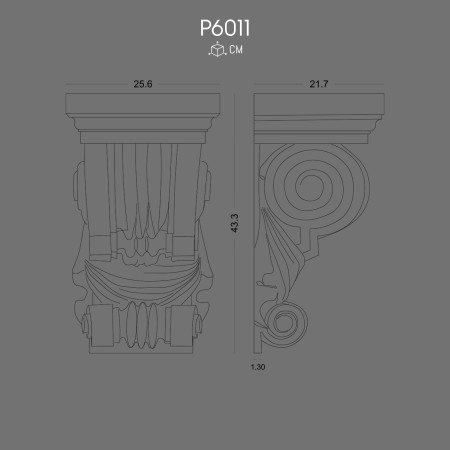


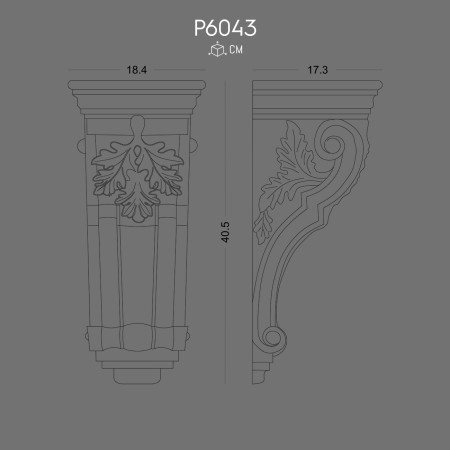

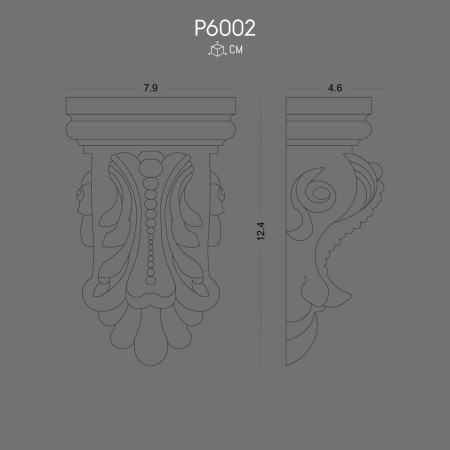
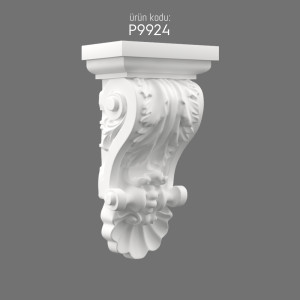
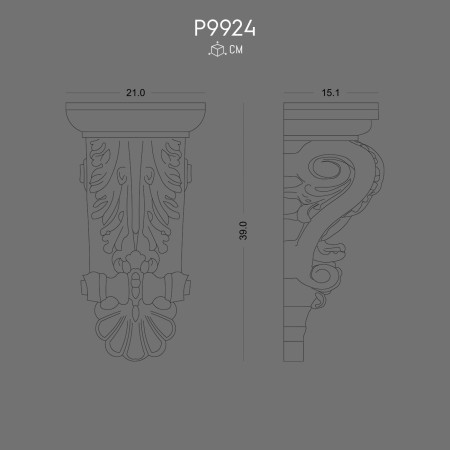


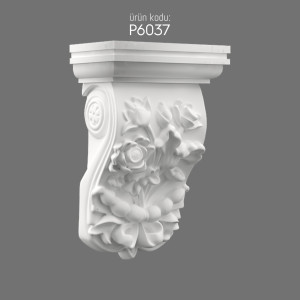
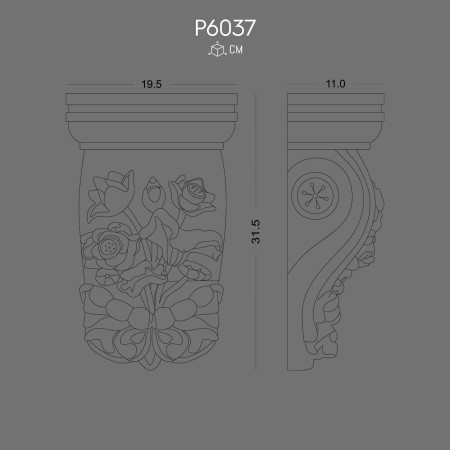


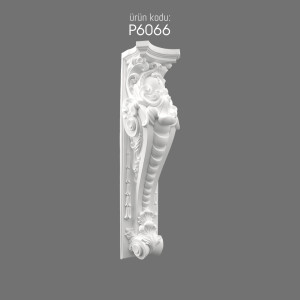

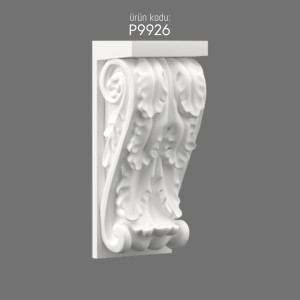
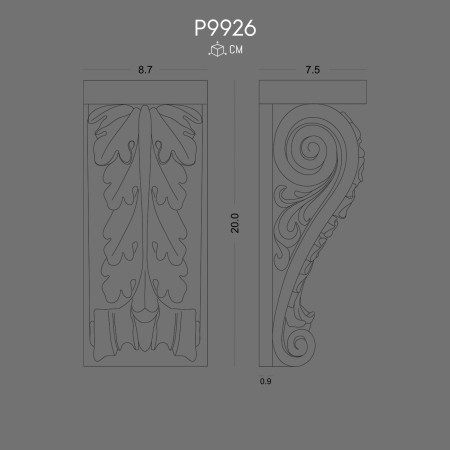
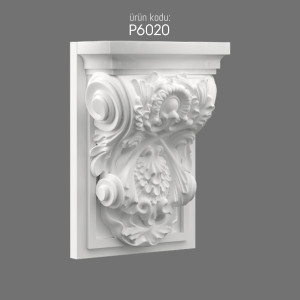


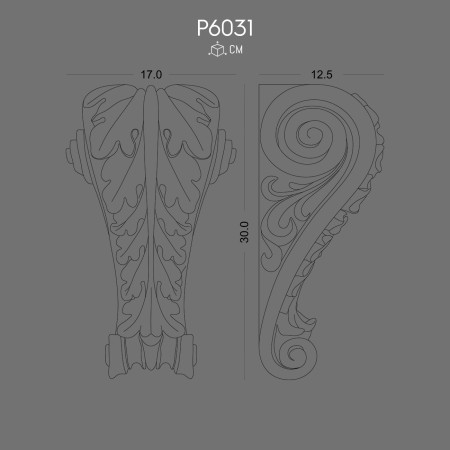

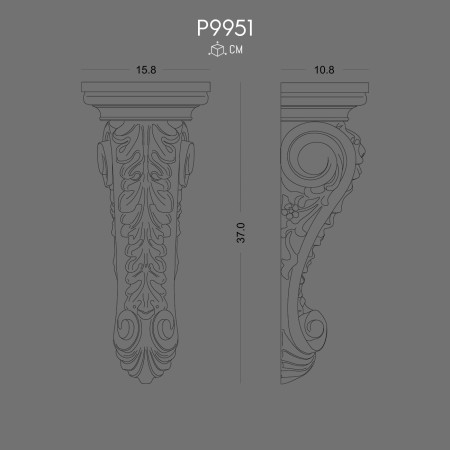
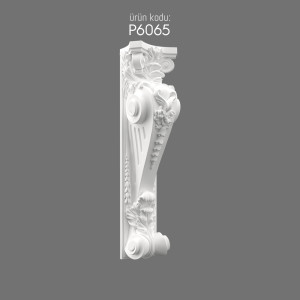
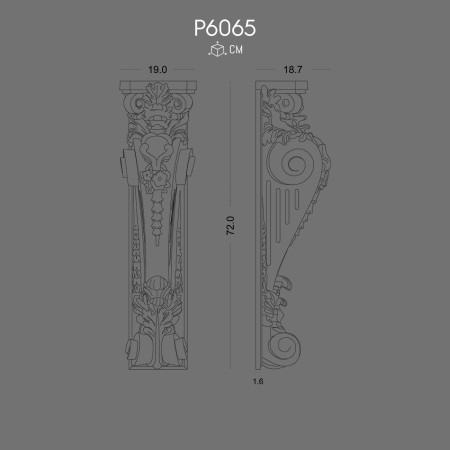

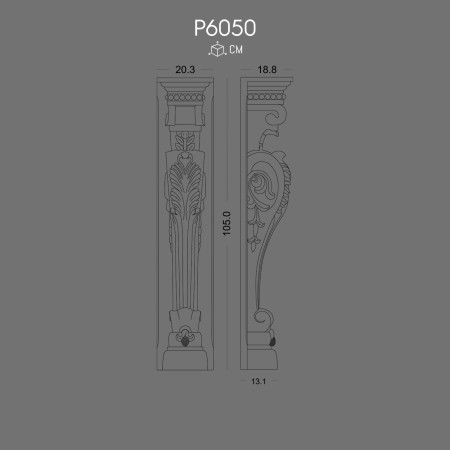



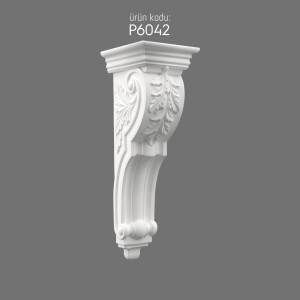

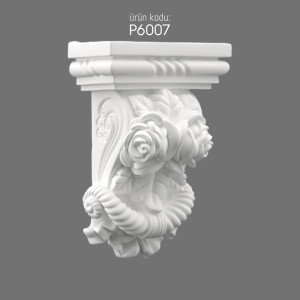
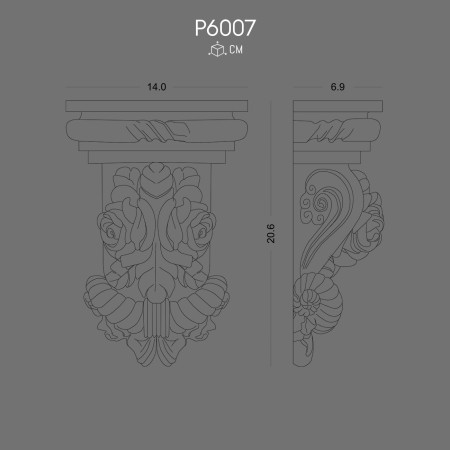
P9950 Product Used Image Gallery
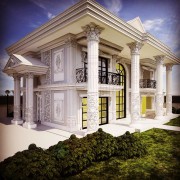
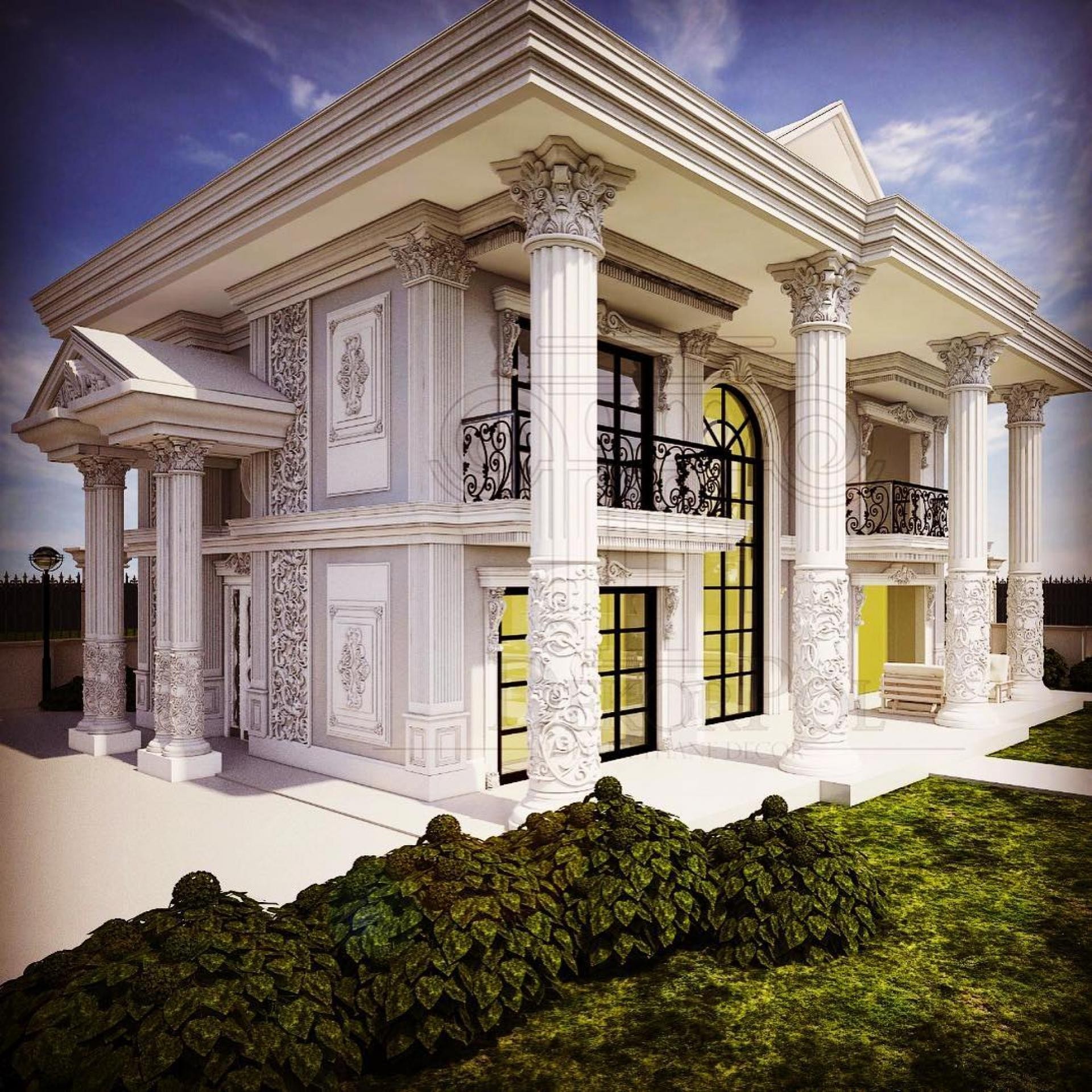
Classical Polyurethane Duplex Villa Exterior with Ornamental Facade Design
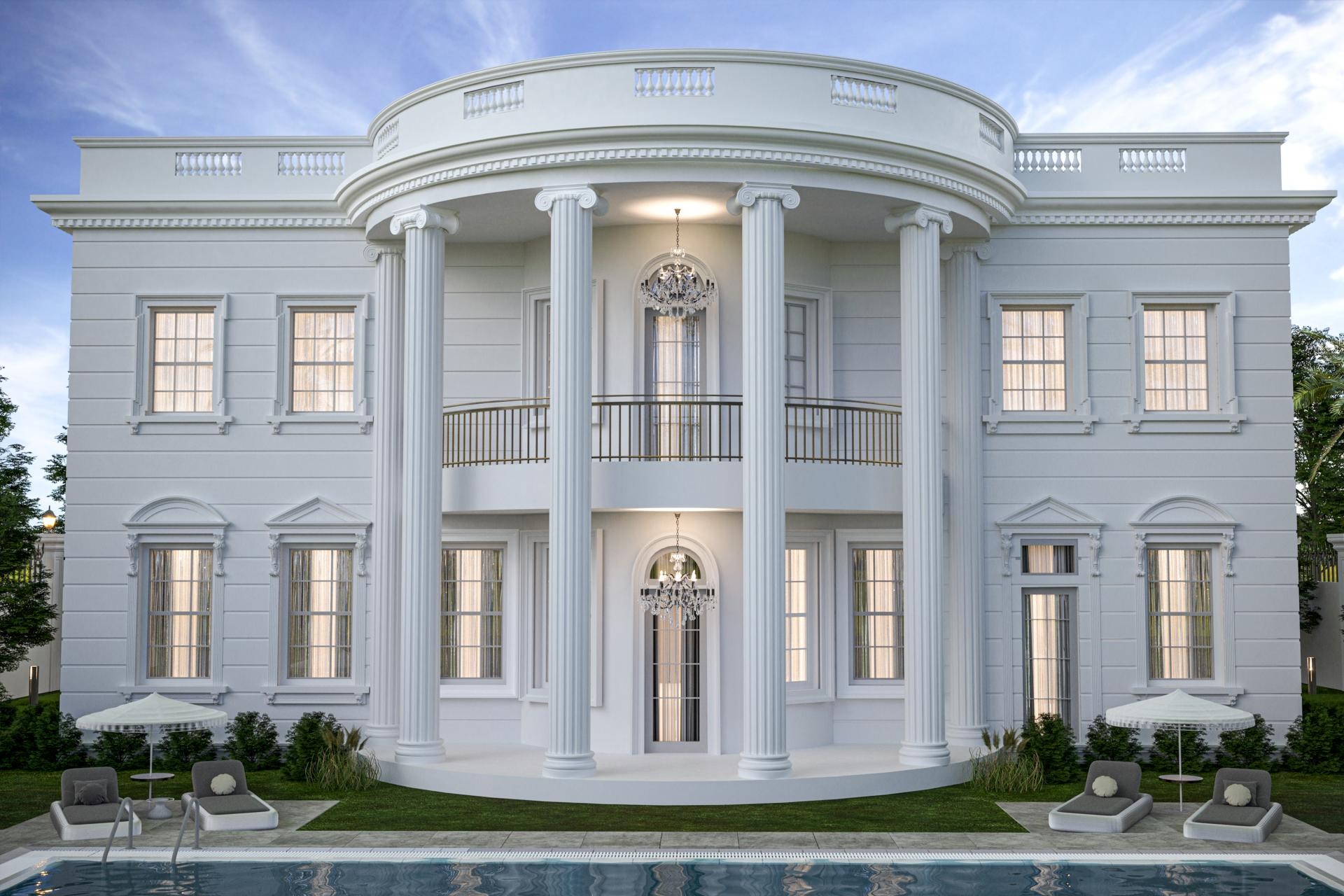
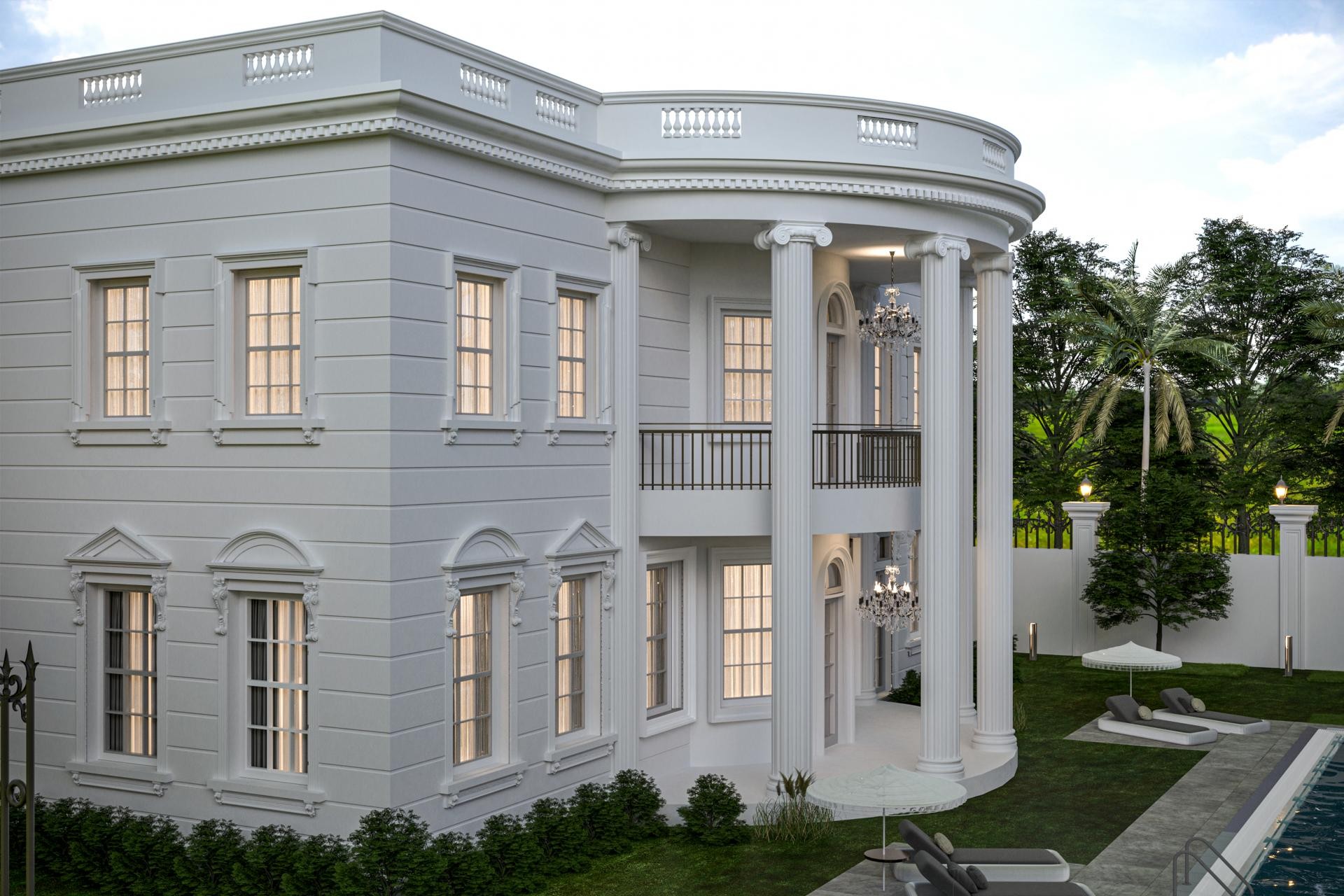
Ornamental Villa Exterior DesignThe duplex villa exterior embodies a blend of classical architecture and modern polyurethane applications, giving it both durability and rich detailing. The entire façade is constructed with a focus on symmetry, balance, and rhythm. Decorative panels showcase floral patterns etched in relief, which complement the prominent Corinthian-inspired columns at the entrance. These columns, adorned with acanthus leaf carvings, echo a design heritage that dates back to ancient Roman and Greek structures.A striking feature is the black wrought-iron balcony rails with delicate scrollwork that contrast the crisp white exterior. This interplay of light and dark accents emphasizes the overall grandeur of the villa. The polyurethane material not only replicates traditional stone carvings but also allows for intricate textures including rosettes, arabesques, and vegetal motifs, lending authenticity to the design.Details and OrnamentationThe wall panels are framed with finely crafted moldings that appear like carved sculptures. Above the entrances, triangular pediments with linear accents reinforce the classical vocabulary of the exterior. Wide arched windows framed with strong vertical lines enhance the play of proportion and invite abundant light inside. Ornamental capitals and pilasters contribute to the three-dimensional rhythm of the composition.Polyurethane moldings replicate stone-engraved façades with less maintenance.Floral and geometric motifs enrich the exterior with layers of detail.Rich architectural ornamentation accentuates columns, panels, and balconies.Use of symmetry creates visual balance and timeless elegance.Placing this design within the wider history of architecture, these decorative capitals and moldings echo motifs used in the Renaissance revival and neoclassical movements. The continuity of motifs like acanthus leaves or scrollwork highlights how contemporary villas still embrace ancient aesthetics while incorporating modern building techniques. This classical duplex villa exterior design merges polyurethane craftsmanship with timeless architectural language. Elegant Corinthian-style columns bring a sense of grandeur and history. Intricate bas-relief panels emphasize sculptural artistry on the façade. Large arched windows contribute harmony, proportion, and balance to the structure. Black wrought-iron balconies contrast beautifully with the light cladding. The wall panels are enriched with floral and arabesque carving. Repeated use of acanthus leaf capitals reflects ancient architectural ornamentation. The use of polyurethane moldings ensures durability and detailed design fidelity. The façade demonstrates careful attention to symmetry and rhythm. Triangular pediments enhance the classical influence of the entrance. Decorative motifs balance geometric precision with floral softness. The contrast between textures creates visual depth. This classical villa design offers both elegance and prestige. Modern material applications provide low-maintenance solutions. Overall, the villa represents a sophisticated adaptation of timeless design principles.
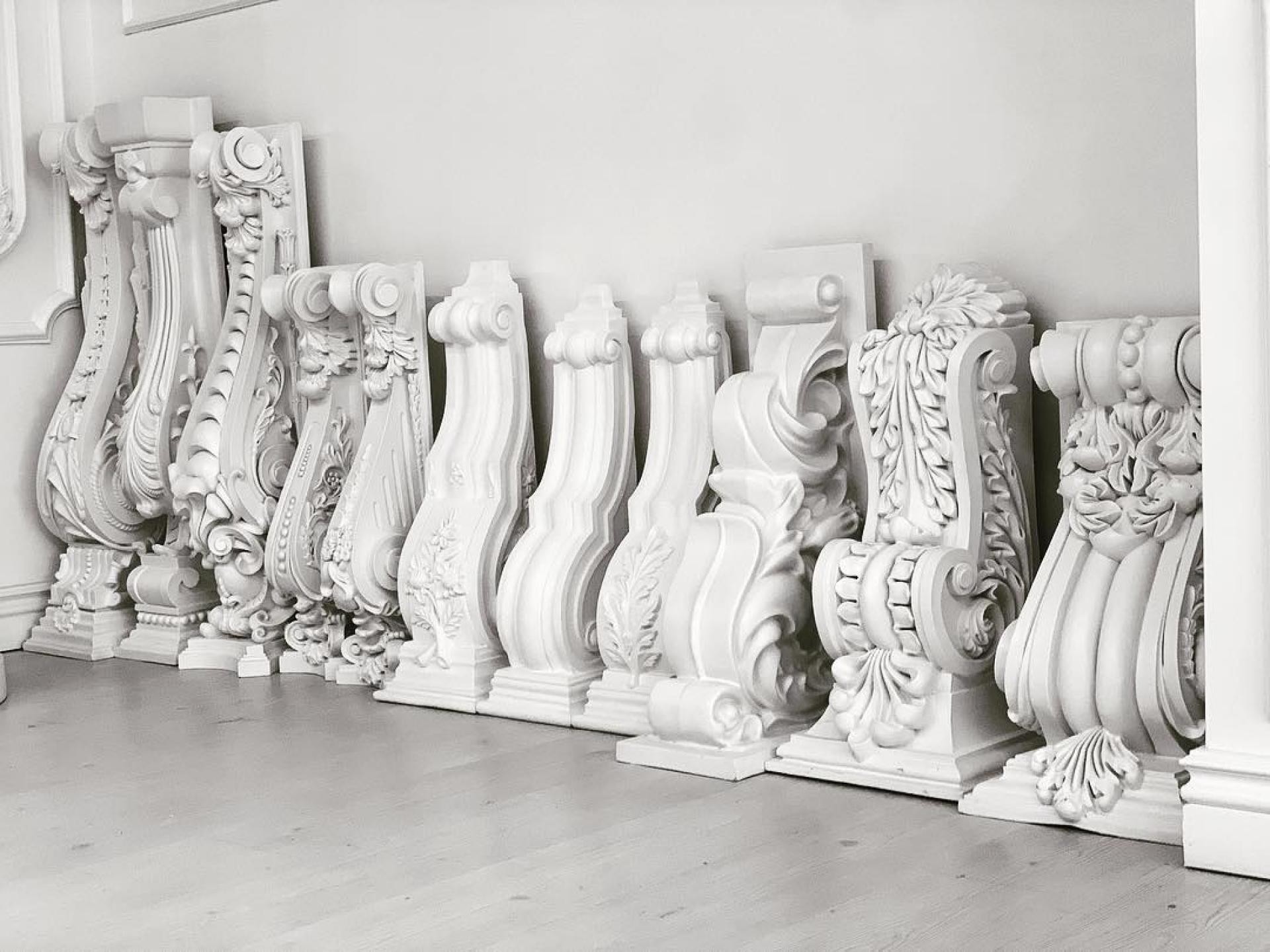
Polyurethane Bracket Designs for Classic Exterior Decoration
Polyurethane Bracket Models and Classical DesignPolyurethane brackets are highly regarded for their ability to replicate the grandeur of stone or wood carvings while remaining practical and lightweight. These models feature a wide array of ornamental motifs, including acanthus leaves, volutes, and scroll-inspired lines. Their detailed relief work adds depth and texture to facades and interiors, creating a sculptural effect.In classical architecture, brackets and corbels were used to support and embellish projecting structures. The influence of neoclassical design can be seen in the intricate leaf scrolls, symmetrical spirals, and delicate floral bands displayed in these examples. Each piece carries clear references to baroque and renaissance decorative traditions, but with the practicality of polyurethane.Painting and Finishing GuidanceBecause these polyurethane elements come in a neutral white finish, they can be adapted through painting or gilding. A matte wash emphasizes subtle carvings, while a metallic finish further enhances their depth. Homeowners and designers often integrate them into both exterior elevations and interior wall treatments.Applications and Decorative ImpactThe adaptability of these bracket designs makes them suitable for framing doorways, highlighting pilasters, or decorating cornices. They work equally well in luxury residential spaces and public buildings where a classic impression is desired. Their precision detailing ensures that even modern minimalist settings can benefit from a touch of classical richness.Historically, such decorative supports were seen in Greco-Roman, Gothic, and Baroque contexts. By translating these motifs into polyurethane, designers today achieve a balance of authenticity, beauty, and modern practicality.Lightweight construction for easy installationRich carved details with classical influenceDurable and weather resistantCustomizable finishes to match design schemes Polyurethane brackets offer an elegant solution for classic exterior and interior decoration. These elements replicate intricate carvings with lightweight durability. The presence of scrolls, acanthus leaves, and floral motifs lends authentic historical beauty. Designers value their adaptability to both modern and traditional projects. Their smooth surface makes painting and gilding straightforward. Polyurethane is praised for being resilient while easy to handle. Buildings gain depth through strong ornamental profiles. The brackets create harmony in neoclassical wall compositions. Rich details appear sculptural yet remain practical. Historically linked to architectural support, they now serve mainly decorative purposes. Volutes and botanical embellishments evoke ancient symbolism. Their versatility extends from facades to interiors. Lightness allows safe and quick mounting. With customizable finishes, these elements fit varied aesthetics. They unite functionality with strong decorative design.
Elegant Polyurethane Exterior Design for Classic Villas with Ornamental Details
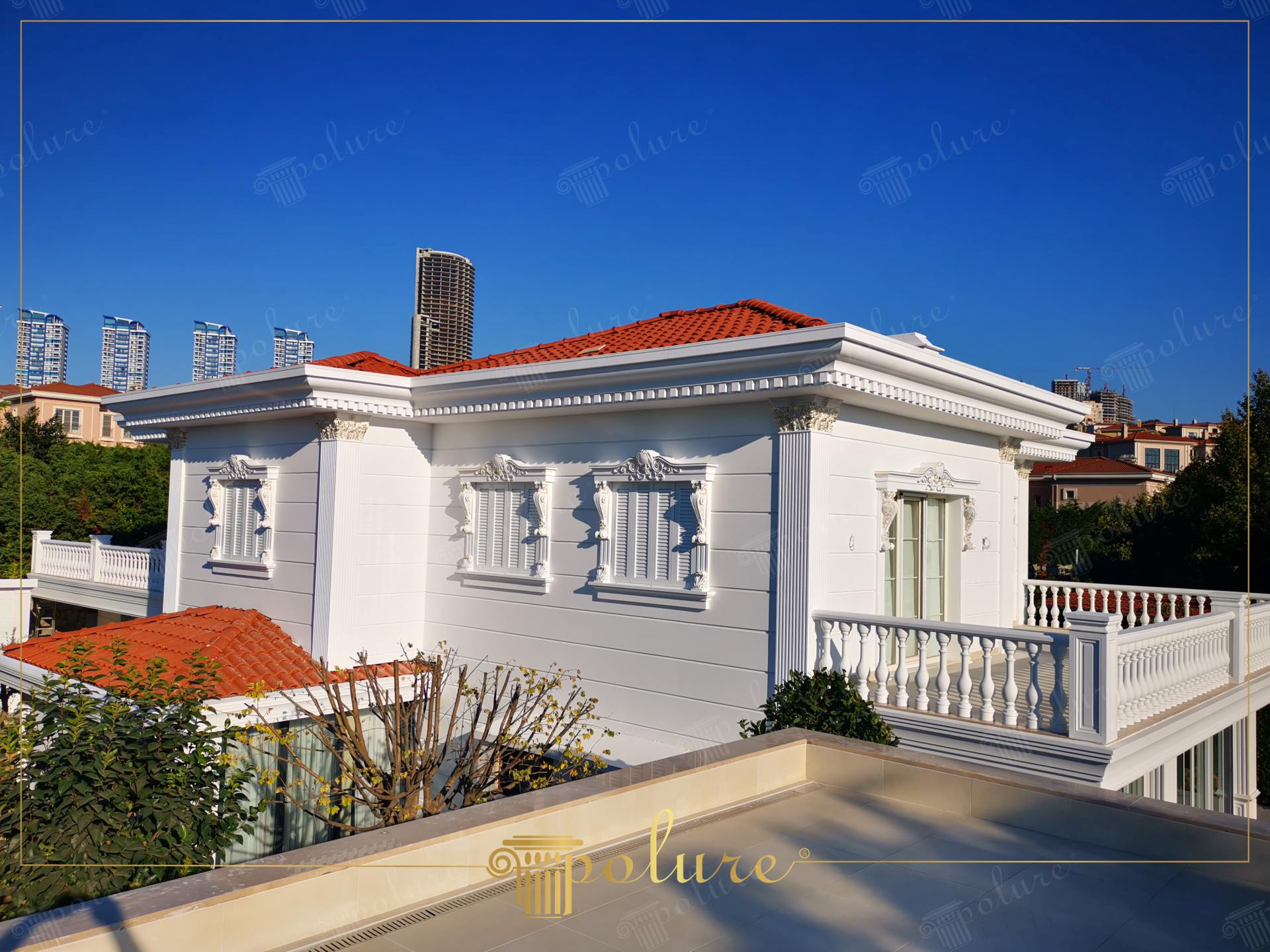
Polyurethane Exterior EleganceThe exterior of the villa showcases the versatile use of polyurethane in creating classic architectural features such as balustrades, cornices, and detailed ornamental motifs. The pristine white façade emphasizes symmetry, with repetitive spindle balusters forming strong geometric rhythms. The integration of polyurethane ensures a lightweight yet durable solution compared to natural stone.The balcony railings are enriched with spindle designs that echo Renaissance and Baroque aesthetics, enhanced by golden accents on the Corinthian-like column capitals. This detail transforms structural elements into decorative highlights while reinforcing the luxurious identity of the building. On the façade, floral and vine patterns add visual fluidity, contrasting the rigid geometric forms of the grid-patterned windows.Historic Influence and Timeless StyleThroughout history, column capitals and repeating balusters symbolized grandeur and sophistication, seen in Roman and later European architecture. By using polyurethane, this villa design reinterprets those qualities for a contemporary setting, avoiding issues of weight and weathering associated with stone.The design emphasizes symmetry, ornamentation, and craftsmanship, creating a seamless fusion of durability and beauty. The roofline with its dark contrast frames the ornate white façades, adding balanced proportionality. Golden decorative inserts highlight capitals and corbels, enhancing the sense of refinement. Together, these elements offer a sustainable and elegant solution for modern villas that still seek inspiration from classical traditions. This villa exterior highlights polyurethane as a versatile material applied to classical design. The white balustrades show spindle-shaped patterns with careful symmetry. Golden details on column capitals create a refined accent. The balcony uses repeating ornamentation to convey elegance. A rhythm of railings and shadows enhances the façade. Horizontal bands and floral motifs enrich the surface texture. Classical references connect the home to architectural history. Grid-like window frames contrast organic decorations. The black roofline balances the composition. Polyurethane reduces weight while preserving form. Precise baluster spacing adds harmony. The façade demonstrates timeless craftsmanship. Golden accents highlight structure without excess. A durable system ensures resistance over time. This style merges modern technique with classic art. The overall appearance speaks of grace and distinction.
Polyurethane Fireplace Mantel with Classical Elegance for Home Interiors
Timeless Appeal of a Polyurethane Fireplace MantelA polyurethane fireplace mantel brings warmth and refinement into a living space while showcasing ornamental beauty. The example here features finely sculpted acanthus leaves, volutes, and scrollwork that highlight a strong connection to classical design. These decorative motifs are integrated into robust corbels that frame the mantel with a sense of balance and symmetry.The surface is smooth, durable, and crafted to resemble carved stone, though it benefits from the lightweight and resilient nature of polyurethane. Along the upper edge, a series of dentil patterns provide rhythm and geometric repetition, reinforcing the harmony of its proportions. The contrast between the polished white mantel and the surrounding beige stone tiles creates visual depth and sophistication.Historically, such embellishments echo the aesthetic traditions of ancient Greece and Rome, where ornamental columns and sculptural reliefs signified status and elegance. This modern adaptation blends that heritage with materials that offer practicality and low maintenance.Decorating with a Classical FireplaceIn interior design, a fireplace mantel often functions as the central focal point. This polyurethane example allows homeowners to incorporate classical motifs effortlessly without the cost or weight of natural stone. Its sculptural details combine with the surrounding tile work in subtle beige tones to create warmth and balance within the room.Intricate scroll motives emphasize craftsmanship.Floral embellishments bring organic rhythm to hard geometric lines.Smooth surfaces contrast with textured stone tiles for visual layering.Whether styled with vases, framed artwork, or decorative sculptures, this mantel enhances both traditional and transitional interiors, delivering a sense of elegance and timelessness to the home. A polyurethane fireplace mantel adds beauty and balance to any home. Its ornate scrollwork creates instant elegance. Classical corbels enhance the sense of symmetry. Intricate dentil patterns bring subtle rhythm to the design. Smooth polyurethane contrasts with textured stone tiles. Decorative floral elements add organic charm. This mantel showcases classical design while remaining lightweight. Historical influence from Greece and Rome is evident. The white finish creates a clean focal point. Surrounding beige tiles support warmth and depth. Ornamental carvings preserve heritage and style. Durable materials ensure longevity and practicality. This fireplace blends tradition with modern needs. Sculptural motifs highlight craftsmanship. The result is a timeless and elegant centerpiece.
Exterior Facades with Classical Architectural Magnificence Enriched by Polyurethane Columns and Details
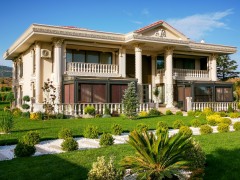
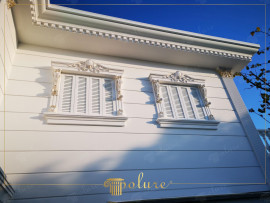
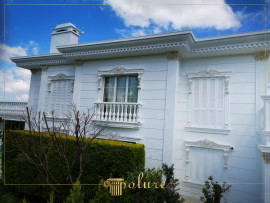
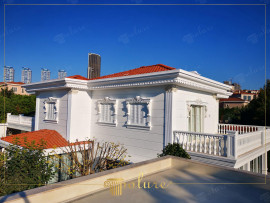
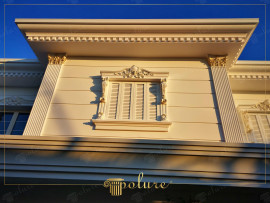
The elegance of classical architecture is also evident in modern buildings. The villa in this picture displays one of the most beautiful examples of classical exterior decoration. The nobility of white meets polyurethane columns and Corinthian style column capitals. While window jambs add depth to the elegant details on the exterior facades, badastrol and eaves moldings make the characteristic silhouette of the building clear. Polyurethane panel coverings It brings long-lasting beauty to exterior facades by blending traditional aesthetics with the advantages of modern materials. Whether you are designing a new building or thinking of adding a classic touch to an existing house, these elements add originality and aesthetic value to every project.
Elegant Polyurethane Classical Facade Decoration for Villas
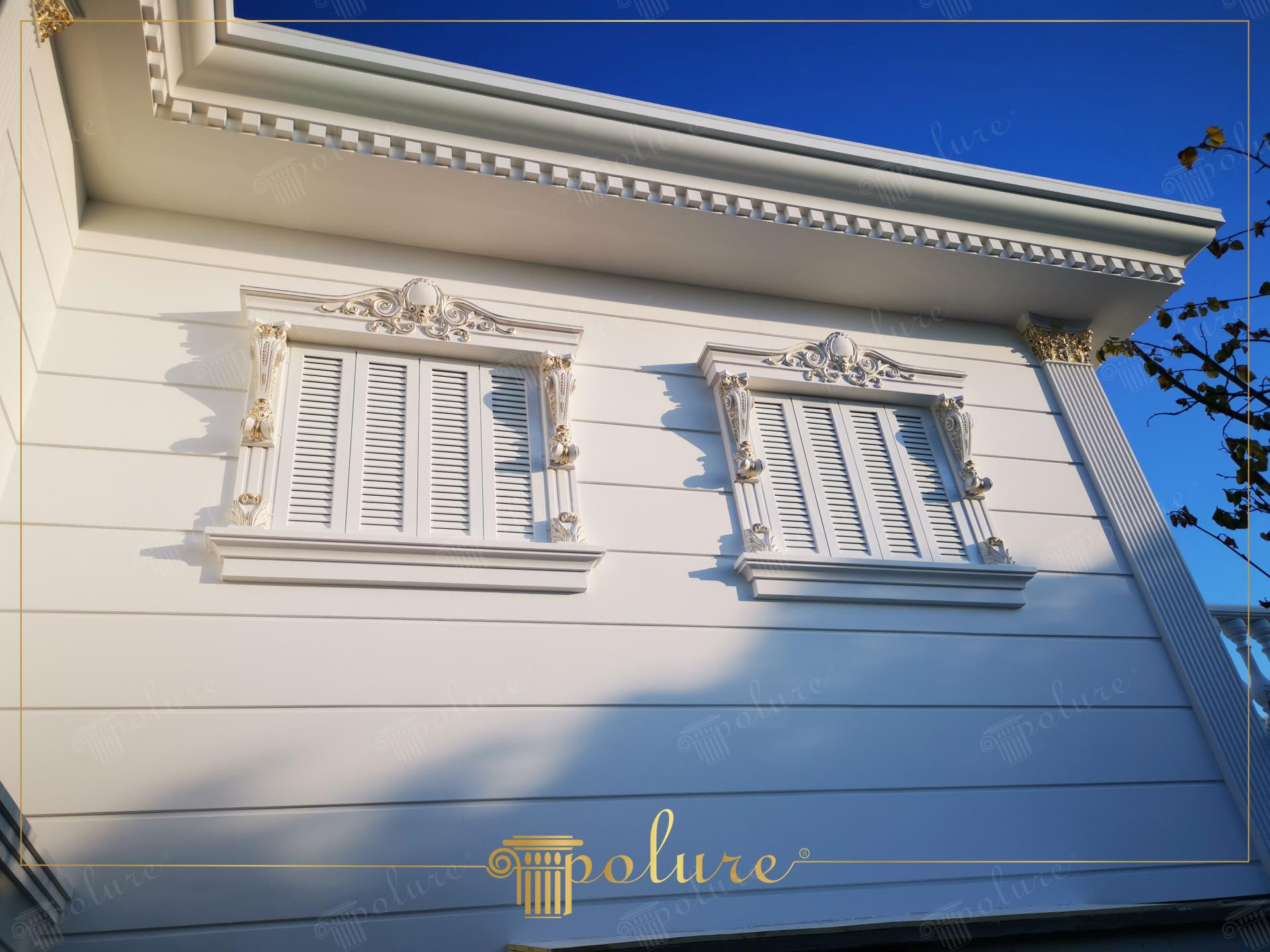
Classical Elegance with Polyurethane Facade Elements Polyurethane has become a popular material for exterior decoration, merging durability with artistic expression. In this villa facade, polyurethane mouldings are crafted to replicate the richness of stone carvings while maintaining lightweight and long-lasting qualities. The design focuses on symmetry and order, central to neoclassical architecture. The tall, ribbed pilasters framing the windows create vertical emphasis, while smaller ornamental motifs in golden tones add radiance. Above the window, scroll-like reliefs form a delicate centerpiece, demonstrating how detail enhances architectural rhythm. The cornice is enriched with dentil patterns, a hallmark motif dating back to Greek and Roman temples, reminding us of the continuity of classical design across centuries. Gold-painted accents highlight intricate floral and geometric motifs, particularly around the shuttered windows. These details elevate the facade’s harmony by drawing attention to focal points without overwhelming the overall composition. The repetition of lines, relief carvings, and recessed spaces provides depth and shadow, adding to the dynamic visual experience. Historically, such decorative expressions emerged from Renaissance and Baroque adaptations of antiquity, where every column or capital contributed symbolic meaning. Today, by using polyurethane materials, the same grandeur can be achieved with less weight, lower cost, and greater resistance to external factors. Fluted pilasters enhancing verticality and order. Golden ornamental motifs highlighting window frames. Dentil mouldings giving rhythm to the cornice. Balanced integration of relief carvings and smooth panels. This villa demonstrates how modern technology preserves the visual richness of historic architecture. By mixing high-quality materials with timeless design language, homeowners can achieve a striking classical facade that withstands contemporary demands. This classical villa facade uses polyurethane decoration to balance tradition and modernity. Intricate golden motifs enhance the shutters and elevate the window frames. Fluted pilasters add vertical structure and elegance. The cornice displays detailed dentil moulding for rhythmic harmony. Smooth ivory panels contrast gracefully with ornamental carvings. The facade achieves a blend of symmetry and luxury. Gold accents highlight delicate relief patterns with subtle brilliance. Historical references link the design to Greek and Roman temples. Polyurethane makes these timeless features durable and lightweight. Modern construction benefits from efficiency while preserving artful detail. The villa facade demonstrates strong classical design language. Decorative flourishes create depth, shadow, and balance. Every motif contributes to architectural storytelling. The result is a stylish yet functional decorative solution. This approach merges resilience with timeless beauty in exterior architecture.
Aesthetics and Elegance with Polyurethane Column Capital Jamb and Eaves Molding in Neoclassical Villa Design
Neoclassical villa designs offer a timeless aesthetic by combining the elegance of classical architecture with modern structures Polyurethane columns used in this style stand out with their detailed processing column headings jamb models that complete window and door frames and eave moldings that add elegance to the roof line are important elements that strengthen the architectural identity of the structure Polyurethane materials provide both aesthetic and functional advantages on the exterior of the villa thanks to their light structure and high durability Columns and headings used especially in the terraces and balconies of neoclassical villas create a showy and prestigious appearance These decorative elements provide visual depth to the structure provide architectural integrity and complete the exterior with an artistic touch
Elegant Classical Decoration with Polyurethane Corbels
Polyurethane Corbels in Classical DesignPolyurethane corbels offer a lightweight yet durable alternative to stone and wood, making them a versatile choice in classic architectural decoration. With their smooth white surfaces, they enhance interiors and exteriors with finesse, capturing the timeless beauty of historic motifs.Many designs display leaf patterns, intricate florals, and scrolling volutes, details that directly recall the symbolic acanthus leaves of the Corinthian order in ancient Greece and Rome. These motifs, popular in Renaissance and neoclassical periods, convey a sense of grandeur and permanence.The range of geometric rhythm in these models is striking: deep curves, flowing S-shaped lines, and layered reliefs that create dramatic shadow play. Some pieces emphasize symmetrical floral crowns, while others integrate scrollwork and clustered foliage with remarkable detail. Their balanced proportions allow them to be mounted as both structural and decorative supports in doorways, arches, mantels, and furniture.Stylistic and Practical BenefitsUsing classical corbels in polyurethane provides practicality since the material resists moisture and wear. This makes them suitable not only for interiors but also for exterior facades exposed to weather. Traditional craftsmanship is achieved without the high cost and difficulty of carving natural stone.Designers often choose these corbels to introduce visual rhythm. The combination of floral ornaments, berry motifs, and flowing volutes creates continuity with larger architectural compositions like cornices and architraves. While historically these featured in temples and palaces, today they fit luxuriously into modern homes, hotels, and villas.Lightweight yet sturdy constructionDetailed classical motifs such as acanthus leavesEase of installation and finishingSeamless integration into various decorative schemesBy blending historical elegance with modern practicality, polyurethane corbels embody the harmony of art and function in classical decoration. Polyurethane corbels bring classical elegance into decoration with intricate motifs and practical durability. They replicate the refined aesthetics of stone while remaining light and easy to handle. Each piece features finely carved leaf patterns and scrolling details that enhance architectural atmosphere. Their crisp surfaces amplify relief depth through light and shadow plays. Inspired by Corinthian and Renaissance traditions, they carry centuries of artistry into contemporary settings. Designers value them for architectural detailing across doorways, windows, and facades. Their patterns mix geometry with natural harmony, emphasizing acanthus foliage and floral crowns. These corbels resist moisture, making them suitable for exterior use. Their versatility allows adaptation in modern interiors with classical influence. The motifs combine ornamental curves with volutes that echo temple architecture. Shelves and mantels gain sophistication through their sculptural presence. Homeowners appreciate their ease of installation compared to stone carving. Luxury environments benefit from the graceful repetition of patterns. Their role unites historical symbolism with modern living. In sum, polyurethane corbels merge decorative artistry with timeless architectural tradition.
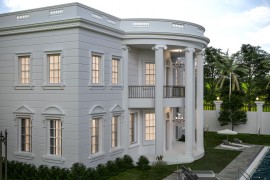
Neoclassical Villa Design with Polyurethane Columns and Elegant Cornice Details
Neoclassical Inspiration with Polyurethane EleganceThe villa exterior showcases the essence of neoclassical design through symmetry, proportion, and the refined use of decorative elements. The combination of a dark wall finish and crisp white polyurethane accents creates a striking contrast that emphasizes the harmony of the façade. Each column and cornice brings rhythm and visual balance to the entrance, while the fountain strengthens the overall geometric composition.Polyurethane provides designers with flexibility and durability, allowing intricate ornaments. The central balcony framed by columns and balustrades serves as the highlight of the upper floor, creating a ceremonial presence. The entrances feature arch-shaped reliefs and richly profiled cornices, evoking a sense of grandeur.Historical ContextThe use of classical orders such as Doric, Ionic, and Corinthian has inspired architects since antiquity. This villa integrates such references into a contemporary form, with straight fluted pillars resembling Ionic columns and delicately carved window surrounds recalling Renaissance flourishes.Details and Decorative MotifsThe window pediments are styled with triangular and arched forms, adding variety while remaining symmetrical. The ornamental urns placed in the garden reflect the villa’s attention to landscape design, while the elegant balustrades highlight the transitional space between indoor and outdoor.The façade rhythm is further enhanced with a layered roofline and decorative friezes, reflecting timeless architectural discipline. The central fountain, with circular basins and mythological motifs, acts as an axis, reinforcing a sense of refined balance.Symmetrical façade with polyurethane ornamentationElegant columns framing the main entranceDetailed cornices and friezes for visual richnessBalustraded balcony for structural balanceFront garden with fountain and decorative urns This villa design exemplifies neoclassical harmony with its symmetrical composition. Polyurethane elements enable finely detailed cornices and columns. The façade features a balanced contrast of dark walls and white trim. A circular fountain establishes a visual center in the garden. The arched doorways enhance the classical atmosphere. Decorative pediments add variety to the window design. Proportions reflect architectural discipline. Elegant balustrades emphasize the balcony’s ceremonial quality. Columns recall the influence of Ionic traditions. The structured layout reinforces timeless elegance. Ornamental urns highlight landscape integration. Sophisticated friezes strengthen the rhythmic façade. Polyurethane offers durability with artistic flexibility. The detailed doorway evokes historic grandeur. Overall, the villa blends modern construction with classical integrity.
Elegant Polyurethane Classical Window Facade with Ornamental Details
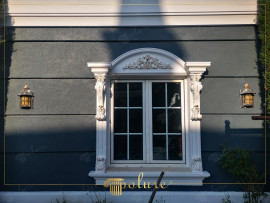
Classical Polyurethane Window OrnamentationThe use of polyurethane offers architects and homeowners the flexibility to integrate intricate classical motifs into modern villa facades. In this example, the window is framed with richly carved profiles that exhibit symmetry and flowing decorative curves, creating a distinct classical character.The upper section includes an arched crowning element with floral relief motifs, while side pilaster-like forms give vertical rhythm. Their scroll-like carvings and botanical details echo traditional neoclassical references, bringing timeless architectural charm to the design.Geometric and Ornamental HarmonyThe composition blends straight linear window geometry with ornamented curvilinear elements, balancing rational structure and delicate craftsmanship. White relief carvings stand out vividly against the gray facade, demonstrating how contrast can enhance ornamental readability from a distance.Decorative floral relief patterns highlight refinement.Leaf scroll carvings bring organic softness to symmetry.Polyurethane material ensures durability and lightweight installation.The integration of period-inspired ornament recalls historic European villa architecture, where window frames often served as key focal points of exterior design. Similar motifs were commonly used in Renaissance and Baroque exteriors, demonstrating continuity of classical decorative language in contemporary contexts. This classical window uses polyurethane decoration to create elegant facade detailing. The design showcases carved reliefs with balanced symmetry. Leaf scrolls enhance the classical identity. The arch above the window highlights fine ornament. White carvings contrast effectively with the gray background. The composition adds architectural depth to the villa. A strong sense of proportion supports aesthetic unity. The details recall neoclassical traditions. Durable polyurethane ensures long-lasting appeal. Timeless motifs inspire modern design solutions. Decorative lighting contributes to the overall mood. Historical inspiration blends with contemporary practicality. Contrast emphasizes ornamental richness. Classical style remains a powerful architectural language. This facade demonstrates how geometric order and artful reliefs create distinction.
Classical Villa Exterior Design with Polyurethane Decorative Molding
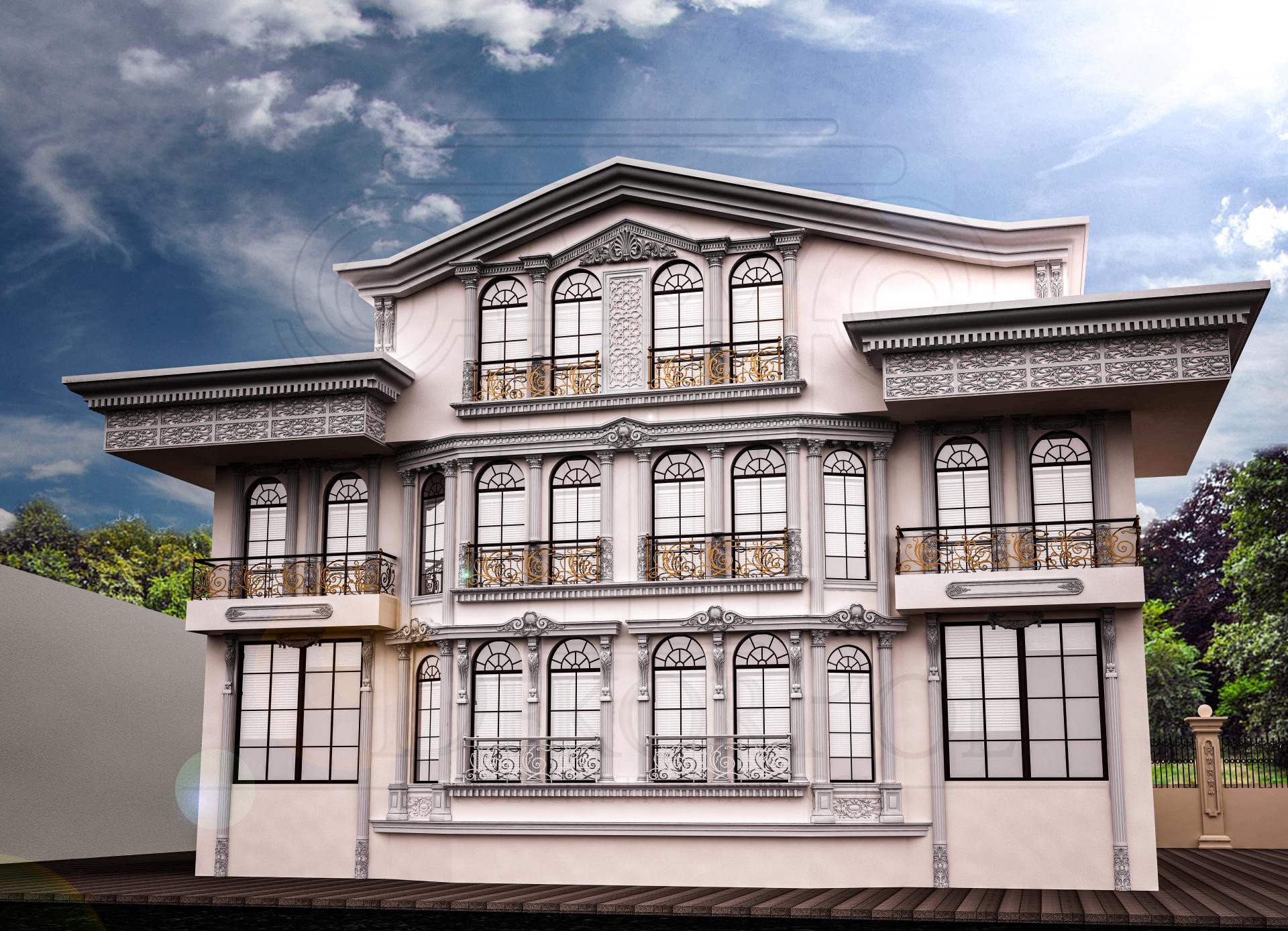
Elegance of Classical Villa ExteriorsThe concept of using polyurethane in architectural decoration has transformed the approach to classical villa exteriors. This innovative material replicates the richness of stone or plaster detailing while remaining lightweight, versatile, and economical.The facade design is organized around twin vertical axes defined by tall columns and rectangular window frames. Each column is crowned with stylized capitals, resembling Corinthian influences yet simplified for contemporary application. Above the main structure lie arched pediments, enriched with floral motifs and central ornamental swirls. These details are highlighted further through careful molding transitions and symmetrical alignment.Geometric and Ornamental HarmonyStrong horizontal bands run across the base and upper levels, creating a grounding effect that contrasts with the towering verticals. The rhythm of symmetry is central: twin facades repeat identical motifs, ensuring a sense of balance and order. Below the arched pediments, corbels with delicate carvings add both visual interest and structural presence, enhancing the layered aesthetic.Each window and door is framed with molded crowns adorned with classical reliefs. The use of polyurethane allows intricate detailing of rosettes, scrolls, and curved patterns without the constraints of heavy masonry. This enables cleaner execution and long-term durability with minimal maintenance.Architectural ContextThe design echoes traditions of Greco-Roman architecture, drawing particularly from the order and discipline of neoclassical principles. Historically, columns, pediments, and decorative reliefs were carved from marble or limestone. Today, with materials such as polyurethane molding, architects can revisit those timeless aesthetics in accessible and practical ways.Overall, this villa exterior becomes a statement of permanence, style, and prestige, merging ancient decorative ideas with contemporary efficiency. This classical villa exterior features symmetry in every line and proportion. The design relies heavily on the use of polyurethane, which allows detailed ornamentation with ease. Decorative columns span vertically across the facade, creating height and grandeur. Above the openings sit arched pediments filled with floral motifs. Window frames are emphasized with molded crowns that reflect historical elegance. The facade maintains balance through carefully designed horizontal and vertical divisions. Ornamental corbels support the design while enhancing decorative rhythm. Molded reliefs around doors and windows reinforce classical influence. The material choice ensures durability and lightness compared to stone. This approach draws from timeless neoclassical traditions. The exterior evokes a sense of luxury while being practical. Each section of ornamentation contributes to visual harmony. The combination of textures makes the facade rich yet balanced. Architectural heritage is preserved through modern execution. The villa design as a whole blends tradition with innovation.
Classic Villa Decoration with Polyurethane Exterior Accessories
Polyurethane Exterior Accessories in Classical Villa DesignPolyurethane components are increasingly being used for villa facades to replicate the grandeur of ancient classical architecture. In this example, the villa exterior incorporates columns with fluted shafts and proportioned capitals that evoke historical Greek and Roman design traditions. Alongside these architectural features, finely molded cornices and pediments accentuate the roofline and window arrangement with rhythmic precision.The building surface is defined by horizontal grooves that create a sense of layered structure while keeping the walls visually elegant and aligned. Intricate relief work around the windows and ornamentation at the upper sections frame each opening, guiding light and creating visual depth. The symmetry of these elements is balanced by carefully designed polyurethane molding that offers ease of installation and long-term durability.Historically, such motifs trace back to classical antiquity, when Doric and Corinthian orders defined the language of monumental buildings. In modern adaptations, polyurethane makes it possible to achieve this fine level of detail without relying on heavy stone carving, combining aesthetic tradition with functional efficiency.Complementing the villa are decorative fences and classical lamp posts, which extend the visual harmony beyond the main structure. These details ensure that the entire property resonates with a continuous theme of refinement, blending landscape and architecture into a unified composition. This villa exterior presents a balanced classical style through the use of polyurethane elements that allow intricate decoration without heavy maintenance. The design highlights tall columns with fluted patterns reminiscent of historic temples. Decorative cornices are placed along the roofline to generate strong shadows. Windows are framed with molded pediments that repeat across the symmetrical facade. Smooth walls are segmented with subtle grooves to add dimensional texture. Detailing around the frames contributes visual interest while remaining structurally light. The material choice ensures lasting resistance to weather influences. Black wrought-iron fencing complements the classical motif with its geometric spikes. Soft exterior lighting reinforces the architecture’s rhythm at night. Decorative ornamentation provides sophistication at corners and relief zones. The villa demonstrates how polyurethane simplifies traditional construction. History of classical Greek and Roman architecture resonates here. The house emphasizes symmetry as a fundamental principle. Every exterior accessory highlights balance of form and function. The overall composition captures grandeur while remaining modern and sustainable.
Neoclassical Villa Facade with Polyurethane Decorative Elements
Polyurethane in Neoclassical Villa Facade DesignThe use of polyurethane in exterior decoration allows architects to create highly detailed neoclassical elements that are both elegant and durable. In this villa, white polyurethane moldings form a bold contrast against the dark cladding, highlighting symmetry and ornamental detail. The arched frames above the windows carry floral motifs, enhancing the villa’s visual richness.Neoclassical architecture has a long history that traces back to the 18th century, reviving the principles of Greco-Roman design. Elements such as fluted columns, cornices, and carefully sculpted capitals are reinterpreted here in modern building materials. The balcony balustrade, with its carved spindles, adds an authentic layer of historical reference.The geometric precision of the panels is meticulously composed, with vertical pilasters reinforcing the structural rhythm. The facade features layered cornices that project outward, casting dramatic shadows across the surface. This balance of form and shadow gives depth to the villa’s two-story profile.Ornamentation is enriched through architectural details like decorative keystones, relief patterns, and recessed door frames. Each motif is carefully crafted, providing both textural complexity and visual harmony. The placement of lantern-style wall lamps furthers the classical mood while adding modern functionality.By using decorative motifs in resilient polyurethane, this design merges past and present. The result is a luxurious villa that embodies classical beauty while meeting contemporary standards of durability and material efficiency. This villa demonstrates how polyurethane elements enhance durability and style. The balanced geometry highlights a neoclassical silhouette with timeless appeal. Columns and cornices add rhythm and order to the exterior. The deep blue surface contrasts with brilliant white detailing. Window frames feature ornate decorative motifs resembling floral patterns. A balcony balustrade showcases classical heritage with graceful repetition. Historical references to Ionic and Corinthian forms elevate the design. The facade gains depth from layered cornices and shadow play. Ornamentation enriches the rhythm of the two-story composition. Light fixtures strengthen the villa’s stylistic character. Vertical pilasters emphasize classical proportion and structure. Polyurethane ensures resistance to weather damage. The exterior decoration merges past traditions with modern practicality. This villa example captures sophisticated grandeur. The result is a composition of harmony, resilience, and luxurious balance.
Polyurethane Classical Villa Facade with Modern Glass and Minimal Accents
Classical Elegance with Polyurethane DetailsThe villa exterior displays a refined integration of polyurethane decorative components, echoing the aesthetics of neoclassical architecture. The façade features tall columns with spiral grooves and elaborately carved capitals reminiscent of Corinthian tradition, complemented by straight cornice lines carrying floral patterns. These detailed bands not only add ornamentation but also provide a sense of rhythm across the exterior walls.Wide use of modern glass across the elevations contrasts with the ornate elements. The transparent panels offer unobstructed views of the outdoor greenery while balancing the more solid stone-like polyurethane features. This dialogue between solid and transparent creates a timeless harmony.Geometric Composition and Decorative MotifsThe balustrades illustrate symmetrical geometric repetition, softened by circular motifs along each vertical rod. Intricate acanthus-leaf carvings enrich the pilasters and column bases, while scrollwork along the upper cornices reinforces classical references. Such detailing is rooted in historical motifs that trace back to Greek and Roman decorative traditions.In the garden, stone paths arranged in a linear order mirror the column alignment of the façade. The landscape design with trimmed shrubbery strengthens the visual connection between architecture and outdoor space. The composition demonstrates how minimal interventions, such as cleanly structured glass surfaces and tidy pathways, can elevate ornamental architecture to a modern lifestyle.Polyurethane molding for consistent ornamental rhythmSpiral columns reflecting classical influencesLarge glass panels merging interior and exteriorGarden geometry enhancing façade symmetryTogether, these elements create an impression of grandeur rooted in tradition but aligned with contemporary expectations. The villa showcases a fusion of polyurethane craftsmanship and classical design. Its façade integrates spiral fluted columns and ornate cornices. Balustrades with repetitive geometric patterns emphasize symmetry. Large panels of modern glass soften the ornate silhouette. Decorative acanthus leaves enhance column capitals elegantly. Cornice scrolls contribute to historical refinement. The landscape is designed with trimmed paths and hedges. White stone accents guide the visual rhythm. Minimal detailing supports balance with tradition. The entrance emphasizes grandeur and proportion. Protruding balconies highlight spatial depth. Strong horizontal lines maintain composure against vertical columns. Historical influences subtly recall Corinthian motifs. Glass openings allow light and transparency. The result is a villa that unites ornate expression with minimal modern accents.
Classic Villa Exterior Design with Polyurethane Decorative Elements
Timeless Classical EleganceThis villa exterior is a prime example of blending historical inspiration with modern technology. The façade makes prominent use of polyurethane decorative systems, allowing detailed column capitals, relief bands, and geometric motifs that closely resemble stone carvings. The overall composition is defined by symmetry, with a central curved section framed by tall columns supporting a balcony.The structure conveys an aura of refinement through its immaculate white color, which enhances the presence of linear grooves and subtle architectural patterns. From the rhythmic placement of windows to the articulated cornices, every component contributes to harmony and proportion.Decorative Detailing and MaterialsBeyond the major elements, the windows receive individual attention with ornate polyurethane frames, keystones, and molded sills. The delicate fence features pointed motifs echoing Gothic-inspired shapes, while upper balustrades display precise rectangular rhythm. Each decorative piece aligns with the villa’s classical design narrative yet remains practical and lightweight due to polyurethane composition.Historically, such designs draw inspiration from Greco-Roman principles where order and geometry defined architectural excellence. Polyurethane facilitates the preservation of these influences without the structural limitations of heavy stone materials. This enhances both durability and aesthetic flexibility.Geometry and MotifsThe design pays close attention to repeating geometric forms, particularly the rectangular fenestration rhythm and the circular arches over entryways. Curved balcony lines soften the rigidity of sharp angles, while relief moldings underline horizontal unity. Textured surfaces and ornamental motifs stand out as both decorative and functional, providing shading effects through depth and projection.Corinthian-inspired tall columnsCurved balcony with ornamental balustradeGeometric grooves accentuating horizontal continuityIntricate wrought-iron fence motifsLightweight polyurethane cornices and framesThis integration of modern composite material into traditional aesthetics offers a balance of visual richness, long-lasting resilience, and architectural authenticity. The classical villa exterior combines historical design with durable polyurethane details. Tall columns emphasize symmetry and grandeur. Ornamental cornices add rhythm to the façade. Geometric grooves highlight horizontal lines. White surfaces reflect light and enhance relief details. Each window is framed with sculptural architectural patterns. The curved balcony introduces elegance and balance. Decorative balustrades align to the classical tradition. The wrought-iron fence enriches the villa with ornamental motifs. Use of polyurethane makes these elements lightweight. Decorative motifs repeat in clean geometric alignment. Historical influence comes from Greco-Roman architecture. Integration of modern materials aligns with traditional aesthetics. The villa achieves long-term durability through innovative design. Overall, this classical composition blends timeless sophistication with practical efficiency.
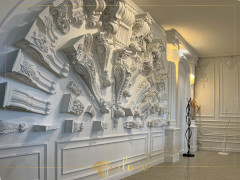
Polyurethane Corbels and Classical Interior Exterior Decoration Models
Polyurethane Corbels in Classical DesignPolyurethane corbels are an essential feature in classical decorative traditions, offering both structural and ornamental value. The array displayed demonstrates how detailed motifs such as acanthus leaves, rosettes, and scrolls can be recreated in durable, lightweight material. These designs take inspiration from Greco-Roman aesthetics, where balance and symmetry were central elements of interior architecture.The geometric precision of these architectural ornaments emphasizes curves, sharp volutes, and layered reliefs, achieving a visual sense of grandeur. The composition shows how different corbel variations can be harmonized inside elegant wall paneling, archways, and ceiling transitions.Application in Interior and Exterior SpacesClassical interior decoration makes extensive use of corbels to support mantelpieces, shelves, and arches while adding ornamental richness. Outdoors, polyurethane elements resist weathering, keeping crisp detail intact without the heavy weight of stone. This makes them adaptable for columns, facades, and entryways, blending decorative luxury with modern practicality.A subtle historical note places these designs within the lineage of Doric, Ionic, and Corinthian forms, where each order refined the relationship between structure and ornament. The polyurethane adaptations bring this heritage into contemporary use with lightweight versatility.Design Inspiration and CompositionThe exhibited wall integrates multiple classical patterns arranged radially, each highlighting distinct fluting, floral carving, and scroll combinations. The repetition of decorative motifs creates rhythm while shadow enhances dimensional contrast. Such arrangements inspire designers to explore both functional and purely ornamental applications within modern spaces.Lightweight yet detailed formsVaried historical referencesAdaptability to multiple settingsRefined geometric and floral motifsThrough their intricate details, polyurethane corbels merge practicality with artistry, ensuring classical elegance remains accessible in both residential and commercial projects. Polyurethane corbels provide a refined solution for timeless classical decoration. These ornamental elements combine structural form with artistic detail. Lightweight material ensures installation flexibility in diverse settings. Intricate motifs include scrolls, acanthus leaves, and rosettes. Symmetry and balance dominate the composition on walls and ceilings. Historical references evoke Greco-Roman architectural heritage. The white finish highlights depth through shadow and relief. Such architectural ornaments adapt well to both interior and exterior projects. Decorative patterns add rhythm while maintaining elegance. Polyurethane resists weathering better than traditional stone carvings. Designers appreciate the versatility and ease of adaptation. Wall panels, archways, and facades gain richness through corbel placement. Motif repetition reinforces classic style in contemporary spaces. Each arrangement serves as inspiration for new interior design. The use of these decorative elements ensures enduring sophistication in modern applications.
Polyurethane Neoclassical Villa Design with Refined Elegance
Neoclassical Elegance with Polyurethane DetailsThe villa exterior embodies a refined interpretation of neoclassical architecture, enhanced by modern polyurethane elements that allow for precise ornamentation. Its façade features tall pilasters that align with clean vertical grooves, emphasizing height and proportion, while columns with subtle fluting support the entryway with grace.Above the windows, arched pediments contain delicate relief motifs, adding depth and a sense of history. This decorative approach reflects inspirations from the classical orders of architecture—particularly the Ionic and Corinthian variations, known for their ornamented capitals and balanced compositions.Geometric Harmony and OrnamentationThe design integrates geometric rhythm in its balustrade railings, where evenly spaced balusters frame the balcony with symmetry. Below, the entry portals are accentuated by detailed polyurethane profiles that mimic traditional stone carvings but remain lightweight and durable. The lower façade is anchored by sturdy rectangular frames that bring visual grounding to the overall structure.A historical note can be observed: since the Renaissance revival, columns and pediments have been adopted in neoclassical residences to symbolize prestige and harmony. The same architectural language continues here, where polyurethane allows lasting fidelity to these motifs without the weight of stone.Refinement in DetailFrom floral embellishments framing the upper windows to linear grooves emphasizing façade divisions, each ornament contributes to a composition of elegance. The design achieves both functionality and refinement, proving how architectural motifs can create timeless curb appeal. Decorative wall sconces further highlight the reliefs at night, casting shadows that accentuate three-dimensional carvings. Overall, this villa offers a sophisticated balance between historic tradition and contemporary building techniques. This villa showcases a striking application of neoclassical architecture through precise polyurethane detailing. The façade balances symmetry with ornate decoration, making use of elegant columns and pilasters. Decorative pediments above the windows highlight classical motifs. The balcony balustrade provides a rhythmic geometric accent. Window frames are adorned with curved floral embellishments. Linear grooves across the façade emphasize order. Polyurethane allows lighter yet durable applications. The composition draws inspiration from ancient architectural orders. Balanced proportions elevate the structure’s harmony. Exterior reliefs add timeless detailing to the elevation. Soft lighting enhances intricate carvings at night. Historical influence merges with modern construction practicality. The villa reflects a graceful fusion of tradition and innovation. Every detail contributes to an exterior of refined beauty. It expresses sophistication through ornamental depth and architectural motifs.
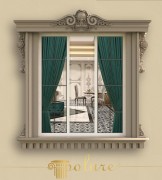
Elegant Polyurethane Window Frame with Classical and Modern Ornamentation
Polyurethane Window DesignThis window frame demonstrates the beauty of combining polyurethane craftsmanship with an architectural approach that mixes classic curves and modern linearity. The ornamental crest features an oval medallion surrounded by swirling scrolls that evoke Baroque and Rococo traditions.The vertical supports are enriched with finely carved volute motifs that recall architectural decoration from Renaissance palaces. The base of the frame is detailed with evenly set geometric dentils, a design element that originates from Greek and Roman temples.Geometric and Ornamental BalanceThe overall geometry is built around precise rectangular proportions of the glazing, which contrasts beautifully with the organic and flowing forms of the carved ornaments. The deep emerald velvet curtains behind the glass reinforce the luxurious aesthetic while also offering vibrant contrast against the beige-toned wall and stone-like texture of the frame.This frame is not only an ornamental enhancement but also a durable and lightweight solution, since polyurethane allows high precision in molding while remaining resistant to outdoor conditions. The integration of decorative motifs with functional stability makes it an ideal choice for refined facades.Historical ReferenceThe carved embellishments echo the influence of Corinthian and Baroque styles, both of which historically emphasized grandeur and refinement in civic and residential buildings. This historical inspiration is fused with modern glazing lines to achieve harmony between past and present. The window frame blends polyurethane craftsmanship with timeless artistry. It features symmetrical scrolls, a central medallion, and refined ornamental details. The design unites classical curves with modern geometric glazing. Carved volutes enhance the sense of elegance and balance. The deep green curtains add a layer of sophisticated contrast. Dentil patterns at the base recall ancient architectural traditions. The use of lightweight material ensures durability. Baroque and Neo-classical inspirations resonate throughout the frame. The beige wall creates harmony with bold decorative carvings. Symmetry and proportion remain key elements. Functional strength is matched with aesthetic flourish. Decorative motifs highlight craftsmanship. The medallion acts as a focal point of visual unity. Velvet curtains reinforce elegance. This design merges tradition with contemporary living.
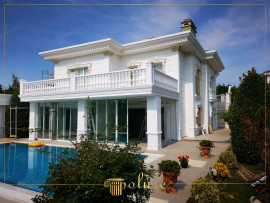
Elegant Classical Villa Exterior with Polyurethane Cornices and Ornamental Details
Classical Elegance in Modern Villa DesignThe exterior of this villa demonstrates how polyurethane decorative elements can revive the grandeur of traditional classical architecture while offering contemporary benefits. The house is adorned with symmetrical columns, refined cornices, and an upper floor balcony framed with an ornate balustrade. Above the windows and at the corners, golden-accented capitals and floral reliefs add rich ornamental depth reminiscent of Renaissance and Baroque styles.One striking feature is the rhythmic use of vertical fluting on the pillars, giving the structure both height and dynamic texture. Polyurethane materials replicate the depth and complexity of stone carvings but remain lighter and more resistant to environmental factors. This fusion makes the design both durable and aesthetically impactful.The tradition of classical columns can be traced back to ancient Greece, where Doric, Ionic, and Corinthian orders established strong architectural principles. In this villa, those principles are subtly reinterpreted through polyurethane detailing that blends history with modern resilience.Details that Define the CharacterThe precision of geometric moldings runs along cornices and window frames, blending ornamental motifs with clean lines. The balcony balustrade, composed of evenly spaced spindles, creates harmony and rhythm across the façade. Golden decorative highlights crown certain motifs, enriching the otherwise white palette with subtle contrast.Large glass sliding doors introduce daylight and visual openness, allowing the interplay of reflections from the swimming pool to animate the scene. This combination of reflective modern surfaces with strong classical motifs results in a balanced harmony between tradition and contemporary living.Moldings and cornices crafted in polyurethane provide weather resistance.Classical proportions make the villa exterior timeless.Ornamental reliefs emphasize artistic craftsmanship while ensuring lightness of material use. This villa showcases a sophisticated exterior defined by polyurethane details that balance tradition and modernity. The use of decorative columns brings symmetry and height to the design. Balustrades extend across the balcony, enhancing rhythm and elegance. Golden highlights enrich floral motifs and capitals. Ornamental cornices frame the roofline with crisp definition. Large glass panels open the façade to light and reflection. The swimming pool surface magnifies the villa’s grandeur. Polyurethane ensures long-lasting strength against weather conditions. Classical inspirations are clearly visible in the façade composition. Fluted details recall ancient architectural practices. Geometric moldings provide refined accents. The white exterior contrasts beautifully with blue skies. Relief patterns add depth and artistic beauty. This blend makes the villa both timeless and durable. Every architectural decision reinforces an authentic classical atmosphere.
P9950 Videos
Polyurethane Corbel Models and Prices
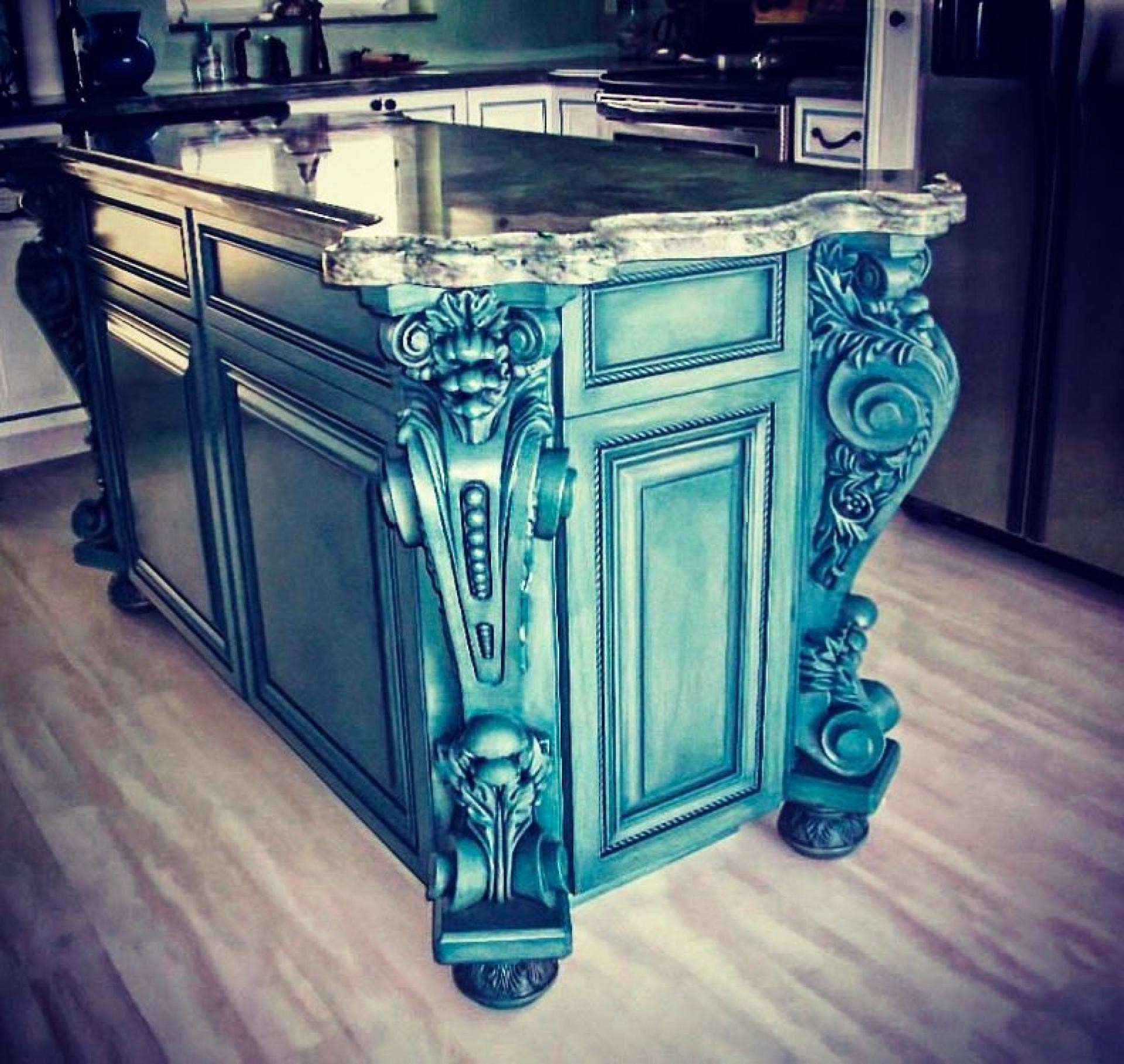
Polyurethane Corbel Models Decorative Interior and Exterior Facade Corbel Types and Prices Corbeles Corbeles are among the building materials that provide support as carriers in different areas such as balconies, terraces, gardens, walls and exterior walls. Corbeles are produced from polyurethane materials. Polyurethane Corbeles Prices. Supports have more economical prices than other decoration products. Features of Polyurethane Support: It rejuvenates and adds value to the building on which it is applied. It is both functional and decorative. It has a paintable surface. It is lightweight. It does not impose additional load on the area where it is applied. It provides ease of application. It saves time thanks to its short application period. It does not create construction pollution. It is not affected by moisture. It does not harm the nature. It is resistant to harsh climatic conditions and impacts thanks to its hardened surfaces. It is washable and wipeable. It does not require special care for cleaning. It looks more realistic thanks to its textured models. It does not freeze or crack in winter and does not soften or sag in summer. It can be combined with decorative facade cladding products such as sill floors, jambs and columns for exterior and interior decoration. You can create a stylish decoration on your facade
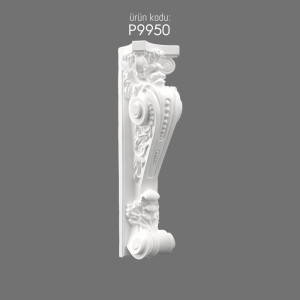
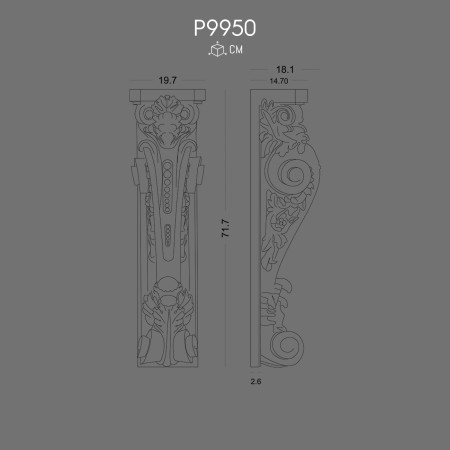
P9950 Bracket with Ornamental Elegance
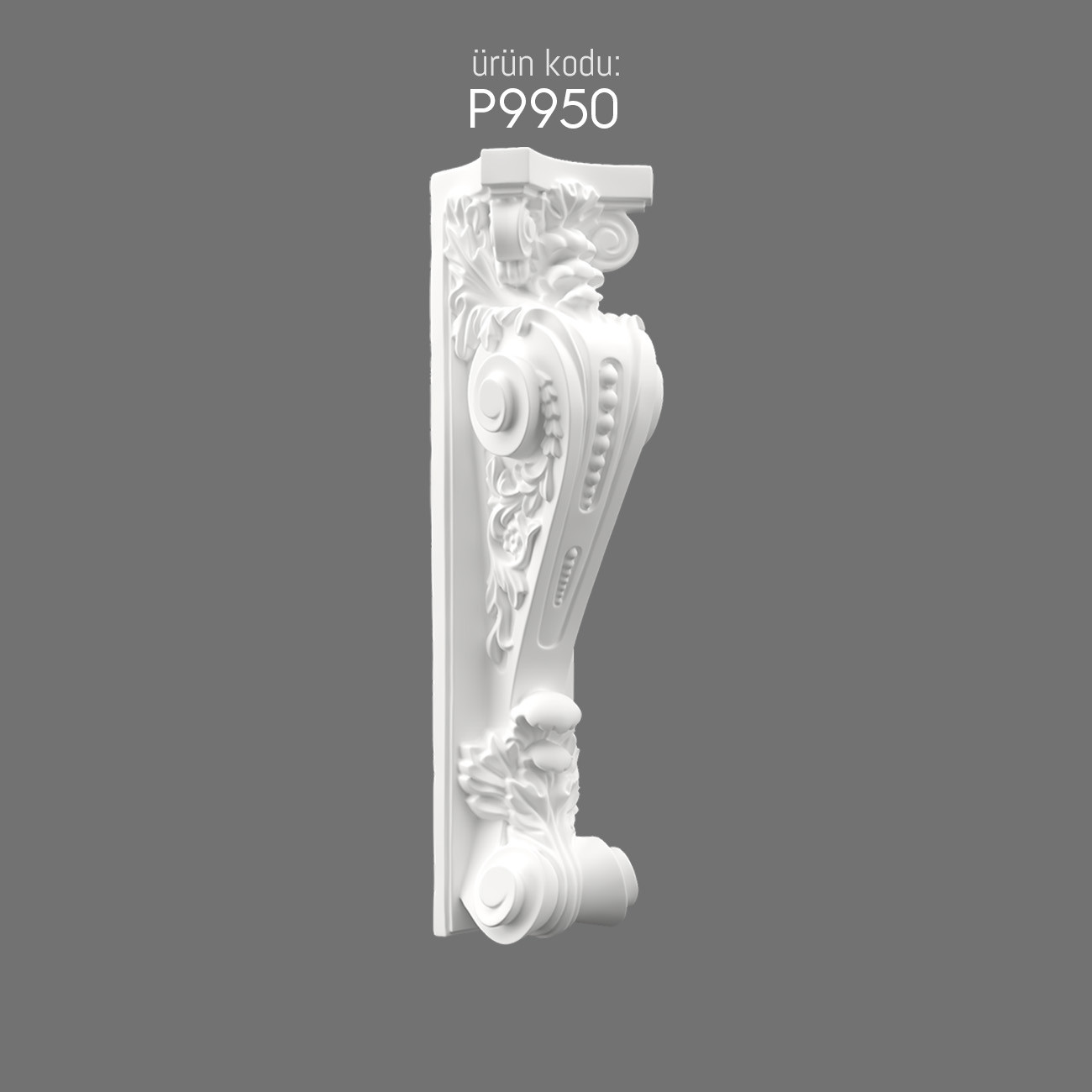
The P9950 bracket introduces a remarkable blend of artistry and durability, designed to enhance both classical and modern interiors. With its polyurethane construction, it maintains strength and longevity, while remaining effortless to install.
The design showcases finely detailed scrolls and floral motifs, a nod to the decorative elements seen in Roman and Greek architecture. Historically, wall brackets known as corbels supported structures while serving as a symbol of elegance and refinement.
In contemporary design, the P9950 serves not just as a supportive element, but as an expressive piece of wall decoration. Its ornamental nature brings texture, shadow, and architectural depth to living spaces.
- Durable and lightweight polyurethane build
- Floral and scroll pattern with fine sculptural relief
- Easy to integrate in classical and contemporary spaces
A hallway or living room accented with P9950 gains a distinct atmosphere, reminiscent of historical elegance yet fresh for modern interiors.
The P9950 bracket is a decorative element that enhances walls with style. Its ornamental pattern balances detail and proportion. The design uses polyurethane for durability and lightness. Intricate scrolls highlight its classical influence. Gentle foliage carvings enrich the surface. The piece adapts well to modern interiors. It draws inspiration from historic corbels. The proportions create visual harmony. Installation is effortless and lasting. The bracket makes hallways more elegant. Living rooms gain extra depth with it. The textured design interacts with light beautifully. A touch of history meets function here. It expresses refined bracket artistry. This piece elevates interiors with timeless detail.
P9950 Wall Bracket with Refined Ornamental Design
The P9950 wall bracket combines a balance of classical inspiration and contemporary craftsmanship, offering a refined decorative element that elevates interiors with sculptural artistry. Its intricate carvings with foliage and scroll motifs echo the elegance of historic architecture while adapting seamlessly to modern decorative styles. Historically, brackets—also known as corbels—were not only functional but also celebrated as ornamental pieces in Greek and Roman architecture, adding rich balance to façades and interiors. The P9950 makes use of high-quality polyurethane material, ensuring both durability and a lightweight build for easy installation. A friend once remarked how a single decorative bracket in a hallway transformed the space, making it feel like stepping into a gallery. With P9950, such moments of aesthetic elevation become accessible to anyone wishing to bring timeless detail to their space.
p9950 bracket, wall bracket, decorative bracket, polyurethane bracket, ornamental bracket, classic bracket, corbel design, scroll bracket, floral motif bracket, interior bracket decor, durable bracket, architectural bracket, detailed wall bracket, elegant wall bracket, timeless bracket
No reviews found!


No reviews found for this product. Be the first to comment!