 ENGLISH
 TÜRKÇE
 ITALIAN


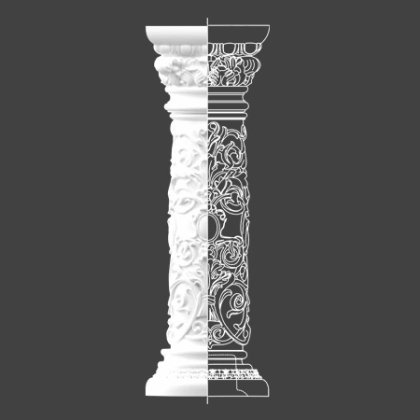
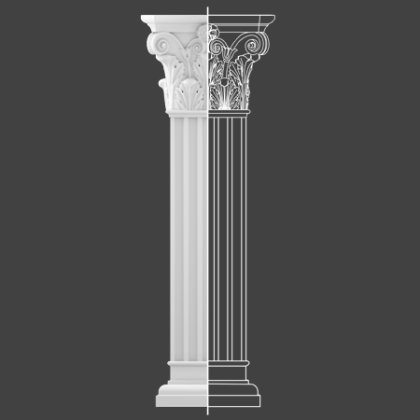

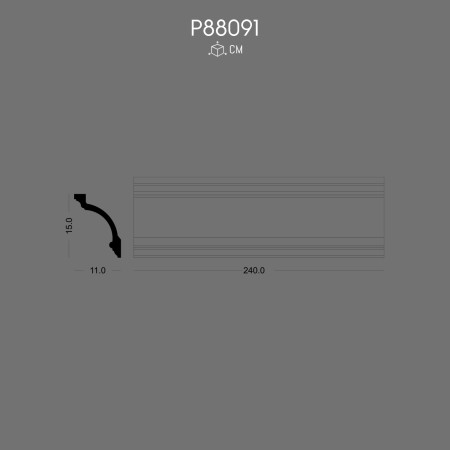
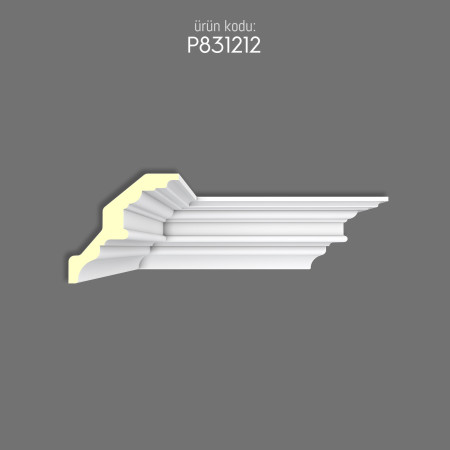
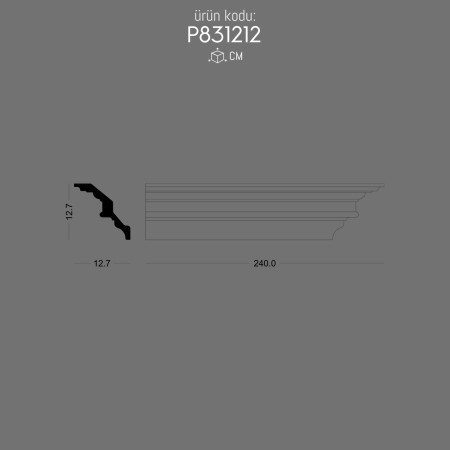

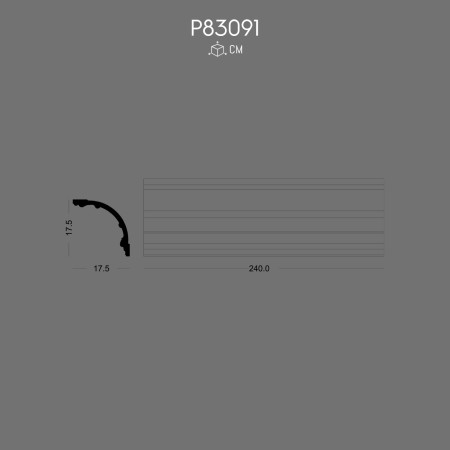

Polyurethane Plain Cornice Models are decorative moldings made from polyurethane that are used to add style and detail to the area where walls meet ceilings.
Polyurethane Plain Cornice Models - An Overview
Polyurethane cornices have become a popular architectural detail in modern interior design. These decorative elements, often used to create a transition between walls and ceilings, are known for their durability, ease of installation, and aesthetic versatility. The plain models, in particular, offer a sleek and minimalist look that can complement a wide range of interior styles.
What is Polyurethane?
Polyurethane is a type of polymer composed of organic units joined by carbamate (urethane) links. It is known for its flexibility, resilience, and resistance to wear and tear, making it an ideal material for manufacturing decorative elements like cornices. Unlike traditional materials such as plaster or wood, polyurethane is lightweight, resistant to moisture and insects, and does not warp or rot over time.
Benefits of Polyurethane Cornices
- Durability: Polyurethane is highly resistant to environmental factors, ensuring that the cornices remain in pristine condition for years.
- Lightweight: Their light weight makes polyurethane cornices easier and safer to install, often requiring no more than adhesive and minimal tools.
- Versatility: Plain polyurethane cornices can be painted to match any interior color scheme, offering flexibility in design.
- Cost-Effectiveness: Compared to traditional materials, polyurethane offers a cost-effective solution without compromising on aesthetics or quality.
Choosing the Right Polyurethane Cornice
When selecting a polyurethane cornice for your space, consider the following factors:
- The size and height of the room – larger rooms may benefit from wider cornices to maintain proportion.
- The overall style of the interior – plain cornices suit modern and minimalist decors, while more elaborate designs may fit traditional settings.
- The color and finish – ensure that the cornice complements the existing color palette and finish of your room.
With these considerations in mind, polyurethane plain cornice models can significantly enhance the aesthetic appeal and value of your property.
Plain cornice models made of polyurethane have a role in the evolution of building decoration, providing a modern alternative to traditional materials like wood or plaster. These models offer a simpler, more versatile way to add architectural detail to buildings.
The Historical Significance of Plain Cornice Models - Polyurethane Cornice
The evolution of architectural details has seen a wide array of materials and designs, among which the plain cornice models, especially those made from polyurethane, hold a unique place. The history of cornices traces back to ancient civilizations where they were predominantly used as decorative elements that also served practical purposes, such as directing rainwater away from building facades.
Initially, cornices were crafted from stone, wood, or plaster, materials that were readily available but also required skilled artisans to shape and install them. The advent of polyurethane in the 20th century revolutionized the production of cornices. This lightweight, durable, and easy-to-mold material made the creation of intricate designs more efficient and accessible.
Plain cornice models made from polyurethane have a special place in history for their contribution to modern architecture. They blend the classical aesthetic of traditional cornices with the advantages of contemporary material science. This fusion not only preserved the historical essence of architectural design but also introduced a practicality that suited modern construction standards and economic considerations.
Moreover, the introduction of polyurethane cornices democratized the use of decorative cornices, making them available to a broader range of projects, from residential homes to commercial buildings, without compromising on quality or aesthetic appeal. The ease of installation and maintenance, coupled with resistance to weathering and pests, further cemented their place in modern construction.
In conclusion, the development and adoption of plain cornice models made from polyurethane represent a significant chapter in the history of architectural design. They exemplify how innovation in materials can preserve and enhance traditional aesthetics while meeting the demands of contemporary construction and design principles.
Polyurethane Plain Cornice Models are decorative elements used to add style to the junction between a room's walls and ceiling. Polyurethane cornices have several characteristics: - Lightweight: They are easy to handle and install. - Durable: Resistant to damage and can last a long time. - Moisture Resistant: Ideal for humid or damp environments, preventing decay. - Versatile: Available in various designs to match different decor styles. - Easy to Paint: Can be painted to match or contrast with wall colors. - Cost-Effective: An affordable option compared to traditional materials.
Polyurethane Plain Cornice Models and Properties
Introduction to Polyurethane Cornices
Polyurethane cornices have become a popular choice for interior and exterior decoration, offering an elegant finish to homes and buildings. These architectural elements serve not only a decorative purpose but also help in concealing joints or imperfections between walls and ceilings. The material, polyurethane, is known for its durability, lightweight, and resistance to moisture and pests, making it an ideal choice for cornice mouldings.
Models of Polyurethane Plain Cornices
The models of polyurethane plain cornices are varied, catering to different architectural styles and preferences. They range from simple, clean lines that complement a modern aesthetic to more elaborate designs that enhance traditional decor. Despite their differences, all models share the common traits of precision, ease of installation, and the ability to be painted or finished according to the specific design requirements of a project.
Properties of Polyurethane Cornices
- Durability: Polyurethane is highly resistant to wear and tear, making it an excellent material for cornices that need to withstand the test of time.
- Moisture Resistance: Unlike traditional materials like wood, polyurethane does not absorb moisture, preventing warping, rot, and mold growth.
- Lightweight: Being lightweight makes polyurethane cornices easier to handle and install, reducing labor costs and the need for special structural supports.
- Flexibility: Polyurethane can be molded into a wide array of shapes and designs, allowing for creative and intricate cornice models.
- Low Maintenance: Once installed, polyurethane cornices require minimal maintenance, needing only occasional dusting or cleaning to maintain their appearance.
Conclusion
Polyurethane plain cornice models offer a blend of aesthetic appeal and practical benefits. Their durability, moisture resistance, and ease of maintenance make them a superior choice for both residential and commercial buildings. With a wide range of models available, designers and homeowners can easily find an option that suits their decor style and meets their functional requirements.
Do polyurethane plain cornice models have different uses from polyurethane cornice decorations?
Polyurethane Plain Cornice Models and Their Diverse Usage Areas
Polyurethane plain cornice models have emerged as a preferred choice for both interior and exterior decoration in modern construction and renovation projects. Thanks to their versatility, durability, and aesthetic appeal, these decorative elements are being used in a variety of settings. This article explores the different usage areas of polyurethane cornice decorations, highlighting their adaptability and functionality.
Interior Decoration
In interior spaces, polyurethane cornices are primarily used to add elegance and character to rooms. They are perfect for creating a seamless transition between walls and ceilings, enhancing the overall aesthetic of living rooms, bedrooms, and dining areas. Their moisture resistance makes them suitable for use in kitchens and bathrooms as well, where they can serve as decorative elements without the risk of damage from humidity.
Exterior Decoration
On the exterior, polyurethane cornices are utilized to adorn facades, windows, and door frames, adding a touch of sophistication and visual interest to the building's appearance. They are highly resistant to weather conditions, including UV rays and rain, ensuring longevity and maintaining their aesthetic appeal over time.
Commercial Spaces
Commercial establishments like hotels, restaurants, and office buildings use polyurethane cornices to create an inviting and professional atmosphere. They are an excellent choice for enhancing architectural details and highlighting brand identity through unique and stylish designs.
Restoration Projects
Polyurethane cornices are also extensively used in restoration projects. They can be custom-made to match historical designs, allowing for the preservation of architectural heritage while benefiting from modern material advantages such as ease of installation and maintenance.
Conclusion
The usage areas of polyurethane plain cornice models are diverse, spanning from interior and exterior decoration to commercial applications and restoration projects. Their durability, ease of maintenance, and aesthetic flexibility make them a popular choice among architects, designers, and homeowners alike.
Polyurethane Simple Cornice Designs - Polyurethane Cornice Designs
Polyurethane Plain Cornice Models
Polyurethane cornices have become an essential element in modern interior design, offering an elegant finishing touch to rooms. These cornices, known for their durability and lightweight properties, come in various styles, including the popular plain models. Plain polyurethane cornices are prized for their simplicity and versatility, fitting seamlessly into any decor style from traditional to contemporary.
Benefits of Polyurethane Cornices
Polyurethane, as a material, offers several advantages over traditional plaster or wood. It is water-resistant, making it ideal for use in humid or moisture-prone areas. Its resistance to warping, cracking, and pests ensures a long-lasting finish that requires minimal maintenance. Moreover, polyurethane is lightweight, making the cornices easy to install without the need for heavy-duty hardware or professional assistance.
Design Flexibility
One of the standout features of polyurethane plain cornice models is their design flexibility. These cornices can be painted to match or contrast with wall colors, offering an opportunity to create custom looks. Whether you prefer a bold statement or a subtle accent, plain cornices can be tailored to meet your design vision.
Installation and Maintenance
Installing polyurethane cornices is a straightforward process, thanks to their lightweight nature. They can be easily cut to size and adhered to walls using a suitable adhesive. Once installed, maintenance is minimal. Dusting or wiping down with a damp cloth is usually sufficient to keep them looking fresh.
Choosing the Right Model
When selecting a polyurethane plain cornice model, consider the room's size and ceiling height. A larger, more pronounced cornice may suit spacious rooms with high ceilings, while a subtler design might be better for smaller spaces. Additionally, think about the overall aesthetic you wish to achieve. A plain cornice can complement a minimalist style or serve as a counterbalance to more decorative elements in the room.
In conclusion, polyurethane plain cornice models offer a blend of aesthetic appeal and practical benefits. Their durability, ease of installation, and versatility make them a favored choice for interior designers and homeowners alike. Whether renovating an old space or finishing a new one, these cornices can add a touch of elegance and sophistication to any room.
Can polyurethane plain cornice models be used on outside walls?
Using Polyurethane Plain Cornice Models on Exterior Walls
Polyurethane cornices have become a popular choice for both interior and exterior decoration due to their durability, ease of installation, and aesthetic appeal. When it comes to exterior walls, the question often arises: Can polyurethane plain cornice models be used effectively?
Durability in Outdoor Conditions
Polyurethane is known for its resistance to weather, moisture, and decay, making it an excellent material for outdoor use. Unlike traditional materials such as wood or plaster, polyurethane does not warp, rot, or crumble when exposed to the elements. This resilience makes polyurethane cornices an ideal choice for enhancing the exterior of a building, providing a long-lasting decorative element that maintains its appearance over time.
Design Versatility
One of the advantages of polyurethane cornices is their versatility in design. They can be manufactured in a wide range of styles, from classic to contemporary, making it easy to find an option that complements the architectural style of any building. Additionally, they can be painted in any color to match or contrast with the exterior walls, offering further flexibility in design.
Installation and Maintenance
Installing polyurethane cornices on exterior walls is straightforward, requiring minimal tools and effort. They are lightweight, which makes them easy to handle and reduces the load on the building structure. Furthermore, maintenance is minimal, as the material does not require regular treatment or painting to maintain its appearance and durability. Cleaning with mild soap and water is usually sufficient to keep the cornices looking new.
Environmental Considerations
For those concerned with environmental impact, it's worth noting that polyurethane is a synthetic material. However, its durability and longevity contribute positively by reducing the need for frequent replacements. Some manufacturers also offer eco-friendly options, using recycled materials or sustainable production methods.
Conclusion
In conclusion, polyurethane plain cornice models are indeed suitable for use on exterior walls. They offer a combination of durability, design versatility, and ease of maintenance that makes them an excellent choice for adding architectural interest and value to a building. When selecting cornices for an exterior project, consider the style, color, and environmental impact to ensure that the product meets your specific needs and preferences.
Yes, polyurethane cornices can be painted.
Can Polyurethane Plain Cornice Models Be Painted?
When it comes to home decoration, polyurethane cornices have become a popular choice for many due to their durability, ease of installation, and aesthetic appeal. However, one question that frequently arises is whether these polyurethane cornice models can be painted. The answer is a resounding yes.
Preparation for Painting
Before painting your polyurethane cornice, it is essential to prepare the surface properly. This involves cleaning the cornice thoroughly to remove any dust or grease. A lightly sanded surface can also help the paint adhere better. Using a primer designed for use on polyurethane surfaces is recommended as it can significantly improve paint adhesion and overall finish quality.
Choosing the Right Paint
When it comes to selecting the paint, not all types are suitable for polyurethane surfaces. Acrylic or water-based paints are often recommended for polyurethane cornices. These paints are easier to work with, quick to dry, and less likely to cause any damage to the surface. It's crucial to avoid oil-based paints as they can react negatively with polyurethane, leading to undesirable results.
Painting Process
The painting process is straightforward. After applying the primer and allowing it to dry completely, you can proceed to apply the paint. Using a brush, roller, or spray gun, apply the paint in thin, even coats. It's important to allow each coat to dry thoroughly before applying the next one. Depending on the paint type and the desired finish, two or three coats may be necessary to achieve an even and durable finish.
Conclusion
In conclusion, polyurethane plain cornice models can indeed be painted, allowing homeowners and decorators to customize their appearance to match any interior design scheme. With proper preparation, the right paint, and careful application, you can transform your polyurethane cornices into beautiful, custom pieces that enhance the aesthetic of your home.
To apply polyurethane plain cornice models, follow these simplified steps: 1. Prepare the surface: Ensure it's clean, dry, and smooth. 2. Measure and cut: Measure the wall, cut the cornice to length. 3. Apply adhesive: Use a suitable adhesive on the cornice edges. 4. Position the cornice: Press it firmly against the wall and ceiling. 5. Secure it: Use temporary supports if needed until the adhesive sets. 6. Finish: Fill any gaps, sand if necessary, and then paint as desired.
How to Apply Polyurethane Plain Cornice Models
Applying polyurethane cornices can transform the aesthetic of any room, adding elegance and style. This guide will walk you through the steps to correctly apply polyurethane plain cornice models to your space.
Materials Needed
- Polyurethane Cornice
- Adhesive suitable for polyurethane
- Fine-toothed saw
- Sanding block or sandpaper
- Measuring tape
- Caulk and caulk gun
- Paint (optional)
Preparation
- Measure the room to determine how much cornice you need. Always add a bit extra for waste, especially if you will be making miter cuts.
- Inspect the walls and ceiling for any irregularities. Use the sanding block to smooth out any uneven surfaces.
- Plan the layout of the cornice. If your room has corners, decide how you will handle the joins – mitered corners are the most common approach.
Cutting and Fitting
- Measure and mark your cornice pieces to length. When cutting for corners, ensure the cuts are at the correct angle for a snug fit.
- Use a fine-toothed saw to make the cuts, and then lightly sand the edges to remove any roughness.
- Do a dry fit of the cornice against the wall and ceiling to ensure a correct fit. Trim any excess material if necessary.
Installing the Cornice
- Apply the adhesive to the edges of the cornice that will be in contact with the wall and ceiling. Be generous but avoid excessive application to prevent oozing.
- Carefully place the cornice in position and press firmly to ensure good adhesion. Use temporary supports if needed until the adhesive sets.
- If any adhesive oozes out, wipe it away immediately with a damp cloth.
- Once all pieces are installed, fill any gaps at the joints with caulk. Smooth the caulk with a damp finger for a clean finish.
Finishing Touches
- If desired, you can paint the cornice to match or complement your room's decor. Ensure the adhesive and caulk are completely dry before painting.
- Apply a primer suitable for polyurethane surfaces before painting. Once the primer is dry, apply your topcoat of paint.
Applying polyurethane plain cornice models is a straightforward process that can significantly enhance the look of your interiors. With the right preparation and careful application, you can achieve professional-looking results that will last for years.
The difference is in the materials used. Polyurethane cornices are made from a type of plastic, while styrofoam cornices are made from a lightweight foam.
Difference Between Polyurethane and Styrofoam Plain Cornice Models
When it comes to interior design and architecture, cornices play a significant role in adding character and elegance to a room. Among the materials used for cornices, polyurethane and styrofoam are popular choices. However, they have distinct differences that can influence your decision based on durability, aesthetics, and installation process.
Polyurethane Plain Cornice Models
Polyurethane cornices are made from a type of polymer that offers a high level of durability and resistance to wear and tear. They are known for their strength and are less likely to crack or chip compared to other materials. Polyurethane cornices can mimic the look of more traditional materials like wood or plaster, providing a high-quality finish that is both lightweight and easy to install. They are ideal for environments that require a long-lasting, maintenance-free solution.
Styrofoam Plain Cornice Models
Styrofoam, on the other hand, is a lighter material compared to polyurethane. It is easier to cut and install, making it a popular choice for DIY projects. Styrofoam cornices are cost-effective and can be painted to match any decor. However, they are less durable than polyurethane and more susceptible to damage from impacts or harsh environmental conditions. Styrofoam cornices are best suited for temporary solutions or areas where they are less likely to be touched or bumped into.
Key Differences
- Durability: Polyurethane cornices are more durable and resistant to damage, while styrofoam cornices are more prone to impacts and environmental wear.
- Aesthetics: Both materials can be finished to mimic the look of traditional cornicing materials, but polyurethane tends to offer a higher quality, more realistic appearance.
- Installation: Styrofoam is lighter and easier to handle, making it more suitable for DIY projects. Polyurethane, although still lightweight, may require more precise cutting and installation.
- Cost: Styrofoam is generally more cost-effective than polyurethane, making it a budget-friendly option for large projects or temporary installations.
In conclusion, the choice between polyurethane and styrofoam plain cornice models depends on your specific needs, including durability, aesthetic preferences, installation process, and budget. Polyurethane cornices offer a long-lasting, high-quality solution, while styrofoam cornices provide a more affordable, albeit less durable, alternative.
The difference is in the naming repetition, but essentially, they both refer to the same item: plain cornice models made of polyurethane.
Difference Between Polyurethane Plain Cornice Models
When it comes to interior design, the details can make a significant difference in the overall appearance of a room. Cornices, which are decorative moldings installed along the top edges of walls, are one such detail. They can add elegance and character to any space. Among the materials used for cornices, polyurethane stands out for its durability and ease of installation. However, when selecting polyurethane cornices, you might come across two types: Polyurethane Plain Cornice Models and Polyurethane Cornice Plaster Plain Cornice Models. Although they may seem similar, there are key differences to be aware of.
Polyurethane Plain Cornice Models
Polyurethane Plain Cornice Models are made entirely of polyurethane, a type of plastic that is both lightweight and strong. These cornices are known for their smooth finish and versatility in design. They can be easily cut and installed, making them a popular choice for DIY enthusiasts. Polyurethane is resistant to moisture, which means these cornices won't warp or rot, making them ideal for use in any room of the house, including bathrooms and kitchens.
Polyurethane Cornice Plaster Plain Cornice Models
Polyurethane Cornice Plaster Plain Cornice Models, on the other hand, are a combination of polyurethane and plaster. These cornices have a core of polyurethane that is coated with a layer of plaster. This combination gives the cornices a more authentic plaster look, which can be desirable in traditional or historic home designs. The plaster coating allows for more intricate detailing compared to the purely polyurethane models. However, they may require a more careful installation process to avoid chipping the plaster layer.
Conclusion
In conclusion, the main difference between Polyurethane Plain Cornice Models and Polyurethane Cornice Plaster Plain Cornice Models lies in their composition and appearance. The former offers a modern, durable, and easy-to-install option, while the latter provides a more traditional look with the potential for intricate designs. Your choice between the two will depend on the style of your space, your budget, and your willingness to undertake a slightly more complex installation process for the plaster-coated models.
Polyurethane precast is made from a type of plastic that's strong and can resist wear and tear, while GRC precast is made from a mix of cement and glass fibers, making it tough and lightweight.
Difference Between Polyurethane Precast and GRC Precast
The construction industry utilizes various materials to meet the diverse needs of building and architectural design. Among these materials, polyurethane precast and Glassfibre Reinforced Concrete (GRC) precast stand out for their unique properties and applications. Understanding the difference between these two materials can help in selecting the right one for specific construction projects.
What is Polyurethane Precast?
Polyurethane precast refers to the use of polyurethane, a type of polymer, in creating building components that are cast in a mold off-site before being transported and installed at a construction site. This material is known for its lightweight, insulation properties, and versatility in molding into various shapes and textures. Polyurethane precast is often used for decorative elements, insulation panels, and in situations where lightweight components are required.
What is GRC Precast?
GRC precast, or Glassfibre Reinforced Concrete precast, combines concrete with glass fibers to produce a material that is both strong and lightweight. Unlike traditional concrete, GRC does not require steel reinforcement. This material is highly durable, fire-resistant, and suitable for a wide range of architectural applications, including cladding panels, ornamental shapes, and facade elements.
Key Differences
- Material Composition: Polyurethane precast is made from a polymer, while GRC precast combines concrete with glass fibers.
- Weight: Polyurethane is generally lighter than GRC, making it suitable for applications where reducing load is critical.
- Strength: GRC is known for its high strength and durability, making it ideal for structural components and outdoor applications.
- Insulation: Polyurethane offers excellent insulation properties, which can be beneficial for energy efficiency in buildings.
- Application: Polyurethane precast is often used for decorative and insulating purposes, while GRC is preferred for structural elements and exterior facades.
Conclusion
Choosing between polyurethane precast and GRC precast depends on the specific requirements of a construction project, including weight, strength, insulation, and aesthetic considerations. By understanding the distinct characteristics of each material, architects and builders can make informed decisions that enhance the functionality and appearance of their projects.
Polyurethane Plain Cornice Styles - Prices for Polyurethane Cornices
Polyurethane Plain Cornice Models & Prices
Polyurethane cornices have become a popular choice for homeowners and decorators looking to add a touch of elegance and style to their interiors. These architectural elements are known for their durability, lightweight, and ease of installation, making them an excellent alternative to traditional plaster or wood moldings. In this article, we'll explore various models of polyurethane plain cornices and discuss their pricing to help you make an informed decision for your home decor projects.
Why Choose Polyurethane Cornices?
Polyurethane cornices offer several advantages over their traditional counterparts. Firstly, they are moisture resistant, making them ideal for use in bathrooms and kitchens where humidity levels are high. Secondly, they are less prone to cracking and chipping, ensuring that they maintain their aesthetic appeal over time. Additionally, polyurethane cornices are lightweight, which simplifies the installation process and makes them suitable for a wide range of applications.
Popular Plain Cornice Models
When it comes to selecting a polyurethane cornice, there are numerous models to choose from. Plain cornices, with their sleek and simple design, can complement any interior style, from modern to traditional. Some of the most popular models include:
- Classic Straight Edge: A timeless design that offers a clean and minimalistic look.
- Elegant Curved: Features a subtle curve that adds a touch of sophistication to any room.
- Modern Geometric: Perfect for contemporary spaces, this model adds a unique architectural element with its sharp angles and lines.
Pricing Guide
The cost of polyurethane plain cornices can vary depending on the model, size, and the manufacturer. On average, prices range from:
- Small (up to 4 inches): $5 - $10 per linear foot
- Medium (4 to 8 inches): $10 - $20 per linear foot
- Large (over 8 inches): $20 - $30 per linear foot
It's important to note that these prices are indicative and may vary based on your location and the specific retailer. Additionally, while polyurethane cornices are more cost-effective than traditional materials, the overall cost will also depend on the complexity of the installation process.
Conclusion
Polyurethane plain cornices are a versatile and cost-effective option for adding a decorative touch to your home. With a variety of models available, you can easily find one that suits your interior design. By considering the factors discussed in this article, you can make an informed decision that enhances the beauty and value of your home.


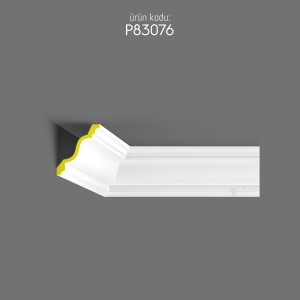


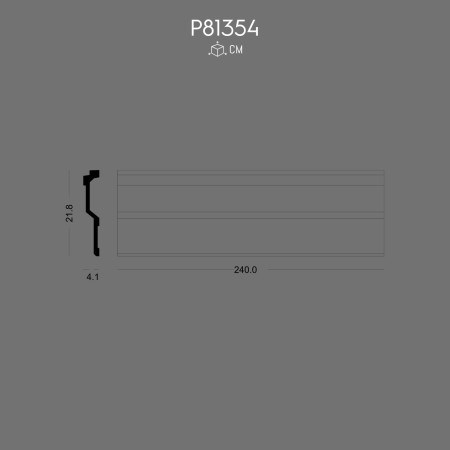

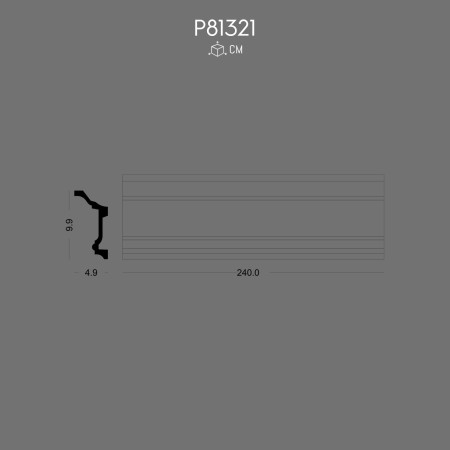
Information Gallery
List of detailed descriptions of images in the image gallery.