 ENGLISH
 TÜRKÇE
 ITALIAN



Modern Classic Bedroom with Romantic White Accents and Navy Blue Panels
Modern Classic Elegance with Bold ContrastThis bedroom exemplifies the perfect harmony of modern classic design, where navy blue wall panels create a dramatic frame around soft white bedding. The central chevron panel adds a sense of vertical rhythm and subtle geometric interest, giving the space both depth and sophistication.The bed is dressed in layered white and cream fabrics while a textured navy throw introduces a tactile balance. The careful placement of pillows in varying shades of light gray and off-white introduces comfort while aligning with the understated palette.Geometric Detailing and SymmetryThe walls showcase paneling with strong rectangular motifs on one side and an intricate chevron composition at the headboard. This geometrical contrast enhances the architectural detailing, maintaining a timeless appeal. Small wooden side tables bring warmth to the otherwise cool tones, grounding the room with natural elements.Lighting plays a crucial role in the design. Two spherical pendant lamps, suspended with golden accents, brighten the space with soft illumination, strengthening the romantic mood while accentuating the bold geometry of the walls.Historical Inspiration in Modern ContextThe chevron motif has roots in classical European interiors, where angled woodwork and paneling were often used to emphasize craftsmanship. Here, this historical pattern has been modernized with bold navy paint, reflecting continuity between past and present design principles.Rich navy blue tones for depth and intimacyChevron panel for bold geometryWhite and gray fabrics for contrastGlobe pendant lights for soft romantic glowWood elements for warmth and grounding This modern classic bedroom combines white bedding with deep navy blue wall panels. The chevron panel behind the bed creates a strong geometric centerpiece. White and gray cushions bring softness against the structured backdrop. The combination of symmetry and contrast achieves balance. Globe pendant lights add a romantic touch. Wooden bedside tables introduce natural warmth. The chevron design references timeless European craftsmanship. The panel detailing enriches the architectural quality. Layered fabrics highlight comfort and elegance. Navy tones provide intimacy and depth. Light colored curtains soften the otherwise bold palette. The interplay of lines and shapes creates harmony. Historical influence blends seamlessly with modern aesthetics. Every detail emphasizes sophistication. The final effect delivers a serene yet striking atmosphere.

Searching for Perfection in Aesthetics and Functionality in Modern Detached Building Exterior Design with Polure
Polure offers a unique and contemporary aesthetic with the modern detached building exterior designs shared on its website Our projects created with the elegant combination of architectural lines are equipped with functional details that reflect the modern lifestyle Work with Polure to add character to the exterior of your home and bring together functionality and aesthetics Customize your exterior Create a brand signature that distinguishes your home from your surroundings with Polures modern detached building exterior designs

Polyurethane Sill Design with Classical Facade Decoration
Classical Elegance Through Polyurethane DesignThe facade showcases a carefully curated polyurethane system, where each sill and molding adds sophistication to the overall classical appearance. The external frame utilizes symmetrical geometry, with detailed moldings above windows resembling small pediments. This reference to ancient Greco-Roman details provides architectural balance and grace.The vertical pilasters, combined with modular grooves, break the flat planes of the walls and create rhythm. On the upper sections, the cornices and roofline moldings offer shadow play, emphasizing architectural layering. Such elements were historically used to demonstrate permanence and grandeur in structures like Renaissance villas and neoclassical townhouses.The fencing system mirrors this decorative approach, using linear continuity, raised pilaster-like posts, and flower-topped forms in sequence. The choice of light-colored polyurethane enhances durability against outdoor conditions, while maintaining the visual precision of carved stone.Ornament and Modern IntegrationDecorative arches above windows, enhanced by fine relief sculpted motifs, serve as focal points. The subtle integration of floral motifs near framing lines creates a harmonious dialogue between structural logic and visual poetry. Materials such as polyurethane allow complex designs without excessive weight, offering flexibility for both restoration works and new classic-inspired buildings.Incorporating geometric lines with organic floral details exemplifies how polyurethane technology can reinterpret timeless aesthetics for modern contexts. This approach unites strength, artistry, and adaptable composition, providing a sustainable solution to exterior decoration. The facade design uses polyurethane to reinterpret classic architecture. The symmetrical composition emphasizes pilasters and crowned moldings. Each window frame features elegant pediments with subtle depth. The use of ivory tones reinforces a refined aesthetic. Decorative fences continue the rhythm of the walls. Linear and geometric patterns enhance strength and balance. The roofline cornices highlight shadow play and grace. Details merge Greco-Roman inspiration with modern technology. Durable surfaces resist weather impacts effectively. Relief patterns provide ornamental richness throughout the facade. Organic floral motifs soften angular geometry. The design creates harmony between decoration and durability. Polyurethane adds flexibility without losing historical essence. Structural rhythm reinforces timeless majesty overall. The integration of classical ornament achieves sustainable exterior decoration.

Polyurethane Broken Milk Models Combining Timeless Elegance and Durability
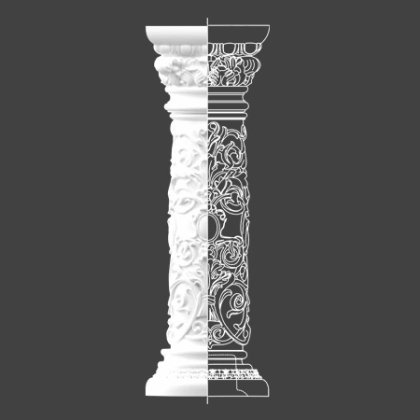
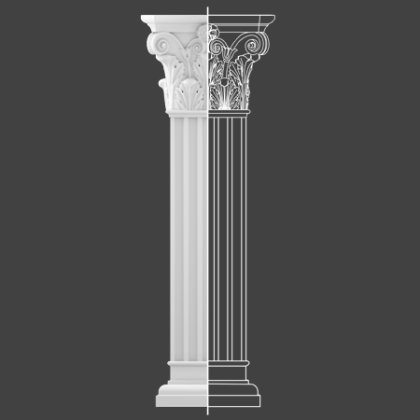
The broken column models produced by the Polure brand with special polyurethane technology offer an antique and timeless appearance while combining aesthetics and functionality for many years thanks to their solid structure These columns adorned with architectural details are the ideal solution for creating an eye-catching atmosphere in indoor and outdoor spaces
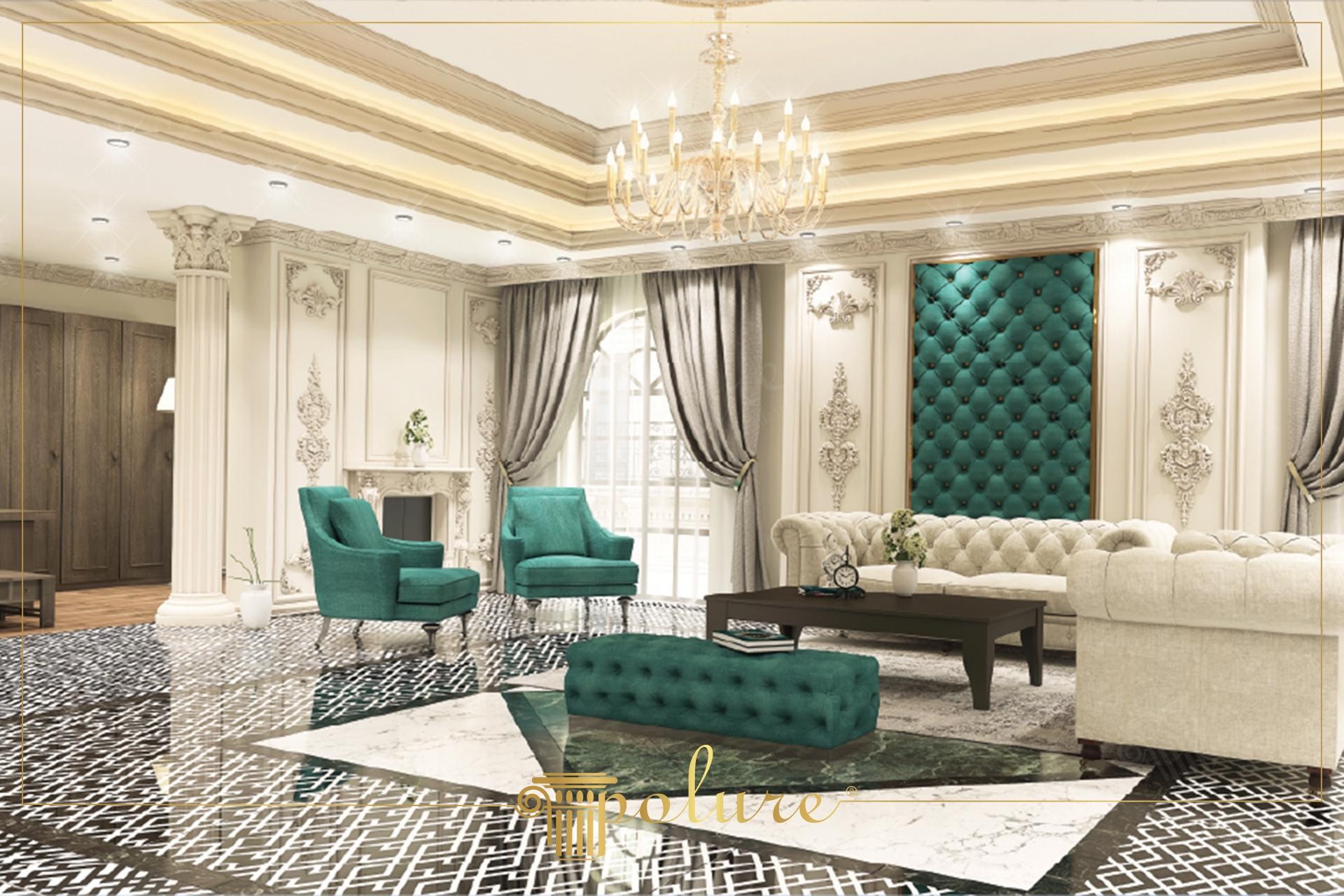
Timeless Elegance with Polyurethane Classical Interior Decoration
Polyurethane Classical Interior DetailsThis luxurious interior space embodies the sophistication of polyurethane elements that bring timeless appeal to classical decoration. The finely carved wall moldings feature ornamental motifs reminiscent of European palatial design, adding both dimensional relief and elite craftsmanship. Corinthian-inspired columns complement the detailed ceiling cornices, combining historical references with modern materials.The contrasting furniture draws attention through striking emerald green tufted upholstery against cream-colored sofas. The deeply buttoned panels on the wall, as well as the matching ottoman, echo the theme of plush comfort integrated into a formal setting. Each piece blends into the overall harmony of the space while still standing out as a focal point.Ornamentation and PatternsThe flooring plays a key aesthetic role with bold geometric patterns in black and white, perfectly balanced by marble inlays at the center. This composition offers both rhythm and exclusivity to the design, enhancing the overall sense of order and refinement. The juxtaposition of polished surfaces with fabric softness strikes an engaging tension that enriches the visual texture of the room.A golden chandelier graces the ceiling and bathes the space with warm illumination, magnifying the ornate crown moldings and creating an inviting ambiance. Such attention to detail recalls classical traditions while embracing modern precision offered by polyurethane techniques.Intricately carved wall panels with ornamental motifsCorinthian-inspired fluted columns with classical capitalsEmerald green tufted upholstery detailingGeometric patterned flooring with marble highlightsLayered ceiling cornices for added depth and dramaHistorically, Corinthian capitals symbolized grandeur in Roman and Greek architecture, and this modern reinterpretation keeps the lineage of elegance alive while utilizing durable polyurethane molding. This classical living room design demonstrates the luxurious potential of polyurethane decoration. Intricate wall moldings bring depth to the space. The richly tufted emerald panel becomes a commanding focal point. Cream upholstered sofas complement the vibrant accent chairs. Elegant columns stand tall with Corinthian-inspired detailing. A golden chandelier casts warmth across refined textures. The geometric flooring pattern adds rhythm and sophistication. Inlaid marble contributes a sense of prestige and permanence. Sumptuous curtains frame tall, arched windows gracefully. Symmetry in the layout enhances balance and refinement. The furniture arrangement encourages social interaction. Every detail balances softness and structure effectively. Historical touches connect past grandeur with modern craft. The classical theme feels both timeless and inviting. This interior proves how ornamentation can elevate everyday living.

Elegant Polyurethane Villa Facade with Rustic and Classical Details
Polyurethane Facade Decoration with Rustic EleganceThe villa facade design integrates polyurethane elements that replicate traditional craftsmanship with modern durability. The main highlight is the upper balcony, framed with arched openings and latticework that enhance airflow and visual rhythm. These details evoke historical wooden architecture, while polyurethane ensures long-lasting performance against natural wear.On the lower levels, finely cut stone panels provide solidity, complemented by geometric window arrangements that bring balance to the vertical form. Muted green and beige bay windows, framed in panels with ornamental reliefs, extend slightly outward to capture more light and add visual complexity.The rustic wooden cladding integrates perfectly with classical motifs, emphasizing architectural harmony. Wooden overhangs, supported by curved brackets, create depth and shadow play, reinforcing the aesthetic impact. Such elements recall the timber-framed traditions of past centuries, where structures were not only functional but also artistically expressive.In decorative history, classical cornices and lattice panels symbolized both protection and elegance. Here, their reinterpretation in polyurethane combines lightweight structure with intricate artistry, offering a balance of endurance and aesthetic appeal.Upper balcony with lattice and archworkStone ground-level cladding for strengthColorful bay windows with paneled detailsCarved brackets creating rustic depthAltogether, the facade presents a blending of rustic detailing with classical order, showing how decorative architecture can enrich both style and living experience. This villa design uses polyurethane elements to blend rustic and classical aesthetics. The facade integrates latticework and arched balcony frames. Muted green bay windows extend outward gracefully. Stone cladding at the base conveys strength and permanence. Wooden cladding adds warmth to the upper facade. Carved brackets deepen the rustic effect. Historical architectural motifs inspire the arrangement. The facade balances tradition with durability. Symmetry enhances architectural harmony throughout the design. Decorative panels highlight elegant proportions. Textural contrast enriches the visual impact of the surface. The balcony introduces openness and layered depth. The window composition maximizes natural light indoors. Polyurethane detailing ensures resilience and precision. The result is a decorative, geometric, and timeless villa exterior.

Timeless Polyurethane Classic Ceiling Decoration with Intricate Motifs
Elegance of Polyurethane in Classic Interior CeilingsPolyurethane has become a popular choice in interior architecture due to its durability, versatility, and lightweight nature. When crafted with precision, it can replicate the refined artistry of traditional plasterwork. The ceiling shown here features ornamental motifs such as rosettes, acanthus scrolls, and baroque-inspired leaves, which create a sophisticated focal point for classic interiors.The central circular medallion incorporates radiating floral compositions bordered with well-defined geometric framing. This careful use of symmetry ensures balance and harmony across the entire ceiling layout. The recessed lighting further enhances the sculpted surface, casting subtle shadows that accentuate the decorative relief work.Beyond aesthetics, polyurethane offers practical benefits such as resistance to moisture and easier installation compared to traditional plaster. This makes it suitable for diverse spaces, ensuring long-lasting applications without compromising on artistic detailing.Historical Influence of Classical OrnamentationThe intricate designs draw inspiration from European classical architecture, where highly decorated ceilings symbolized prestige and cultural refinement. Elements like rosettes and ornate frames can be traced back to Renaissance and Baroque interiors, where decorative ceilings were considered a hallmark of luxury. The modern use of polyurethane ceiling panels successfully integrates these traditions into contemporary living spaces.In modern interiors, combining historic patterns with new materials allows homeowners to enjoy classical beauty with improved durability. This blending of past and present makes the design both timeless and functional.Polyurethane ensures a lightweight yet durable structure.Geometric framing lends balance to the complex ornaments.Recessed lighting effects highlight sculptural details.Inspired by classical ornamentation yet fit for modern use. This polyurethane ceiling design emphasizes timeless ornamentation. The structured geometry gives the ceiling balance. A central medallion with floral motifs creates elegance. Detailed acanthus leaves mark the corners with refinement. Baroque inspired scrolls offer richness and depth. Subtle lighting enhances the sculptural relief. Polyurethane ensures durability and lightweight handling. Moisture resistance makes it versatile over time. The ceiling blends tradition and modern practicality. Classical details reference Renaissance and Baroque interiors. Symmetry establishes harmony in the layout. Relief details highlight craftsmanship with precision. Decorative framing brings a sense of prestige. This ceiling celebrates both tradition and innovation. The result is a sophisticated classic design centerpiece.

Polyurethane Elegance in Modern and Classical Facade Design
Harmony of Modern and Classical Facade DesignThe use of polyurethane in contemporary exteriors brings a combination of lightness, durability, and intricate detail. This building illustrates how ornamental motifs can elevate a facade without losing the efficiency of minimalism. Window surrounds with layered frames, arched window heads, and recessed panels enrich the geometry of the exterior.Decorative geometric patterns frame the windows and accentuate verticality, while cornices with clean details enhance the rhythm along the roofline. Traditional influences such as the arched motifs recall classical architecture, where arches symbolized strength and refinement in Roman and Renaissance design. Integrated lighting fixtures emphasize texture and rhythm at night, creating an elegant silhouette.Practical and Aesthetic AdvantagesThe advantages of polyurethane include resistance to humidity, stability under temperature changes, and precision in reproducing architectural motifs. Its versatility enables both contemporary designers and traditional stylists to experiment with decorative facades while avoiding excessive load on the building structure.Lightweight yet durable materialEasy customization for classical elementsVisual enhancement without structural heavinessOverall, this design represents how modern techniques and classical references coexist gracefully. The repetition of refined motifs, symmetrical arrangements, and subtle textures reflects both grandeur and modern simplicity in a single architectural statement. This facade demonstrates how polyurethane enriches architecture with a balance of modern clarity and classical detail. The neutral tone emphasizes the harmony between simple planes and ornamental accents. Arched window heads recall architectural traditions that value elegance and rhythm. Cornices with layered designs bring depth to the roofline without being overwhelming. The facade highlights refined motifs that seamlessly integrate into a clean composition. Lighting around the structure is subtle yet effective in enhancing texture at night. The use of symmetrical proportions adds formality and order. Decorative patterns around windows bring visual presence without heaviness. Polyurethane makes it possible to create strong lines and delicate details at once. Classical inspirations are referenced through geometry and ornamentation. Modern ideals appear in the restraint and simplicity of structural lines. Both approaches merge smoothly to deliver an exterior that feels timeless. The surface offers refinement through careful alignment of details. Architectural elements such as arches and linear frames blend historic memory with material innovation. The outcome stands as both functional and artistic. Lightweight technology and decorative heritage meet in an elegant exterior design.
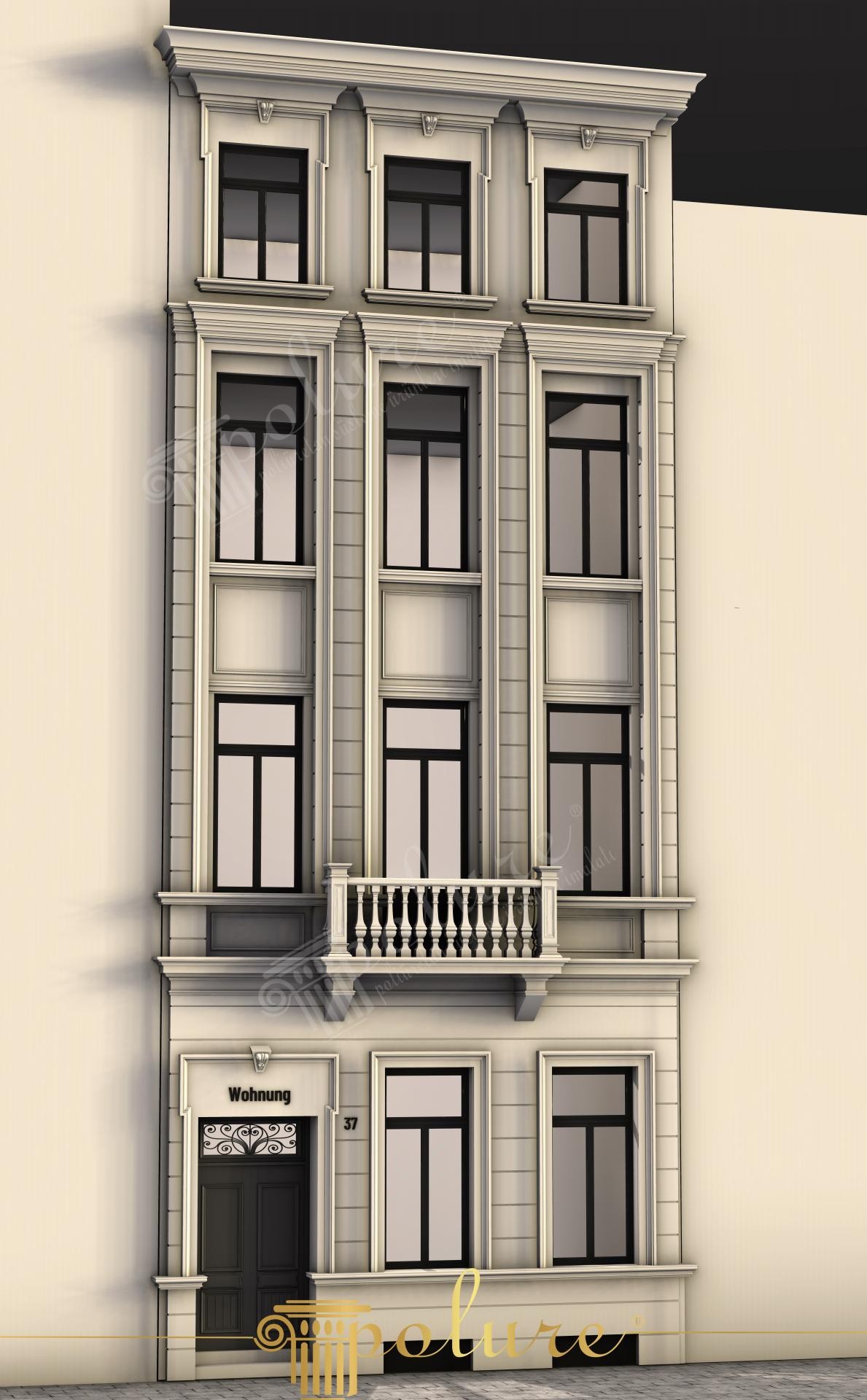
Elegant Polyurethane Facade with Classical Details for Boutique Hotel Design
Polyurethane Facade with Classical BalanceThe showcased design is a perfect blend of polyurethane innovation and timeless classical elegance. Its vertically oriented structure is articulated by tall rectangular windows, surrounded by refined moldings that bring rhythm and balance. The integration of a prominent balcony on the second level, adorned with turned balustrades, establishes a focal point and reinforces the ornamental harmony of the facade.The detailed use of geometric panels, framed cornices, and vertical pilasters conveys both strength and sophistication. Subtle ornamental keystones above the upper windows demonstrate a restrained but impactful decorative strategy. The monochrome stone-like texture is enhanced by sharp shadow lines created by projecting elements, giving the design a sense of depth and refinement.Historically, such motifs reference neoclassical traditions, in which symmetry and precise composition were central to urban architectural identity. The elegant interplay of straight lines with measured decorative reliefs mirrors 19th-century interpretations of classical revival styles.Designed for boutique hotels, luxury apartments, or standalone residences, this facade demonstrates how symmetry and ornamentation can harmonize to create a grand yet approachable exterior. Its use of polyurethane further ensures durability, weather resistance, and design flexibility, making it a practical yet artistically ambitious solution.Balanced vertical alignment with elongated windowsBalcony detail with traditional balustrade rhythmOrnamented cornice and keystone arrangementHigh-performance polyurethane for longevity This classical polyurethane facade emphasizes refined details and modern durability. The tall rectangular windows framed by decorative moldings create a rhythm that reflects timeless elegance. A central balcony with intricately turned balustrades offers a distinguished focal point. The use of subtle pilasters enhances the sense of vertical balance and symmetry. The monochrome stone-like finish contrasts beautifully with bold window frames. Above the upper windows, keystone decorations contribute to the structured composition. These elements showcase how classical ornamentation can be adapted for modern needs. The polyurethanebased material ensures resistance to weather and aging. Designers can integrate this method into boutique hotels or urban residences effectively. The facade’s geometry highlights measured proportions and clean alignment. Decorative motifs are applied sparingly yet significantly. This approach prevents visual clutter while still providing richness. Polyurethane applications extend structural longevity and design flexibility. The interplay of ornamentation and restraint creates a polished exterior. Altogether, this facade design establishes luxury, harmony, and sustainable performance.
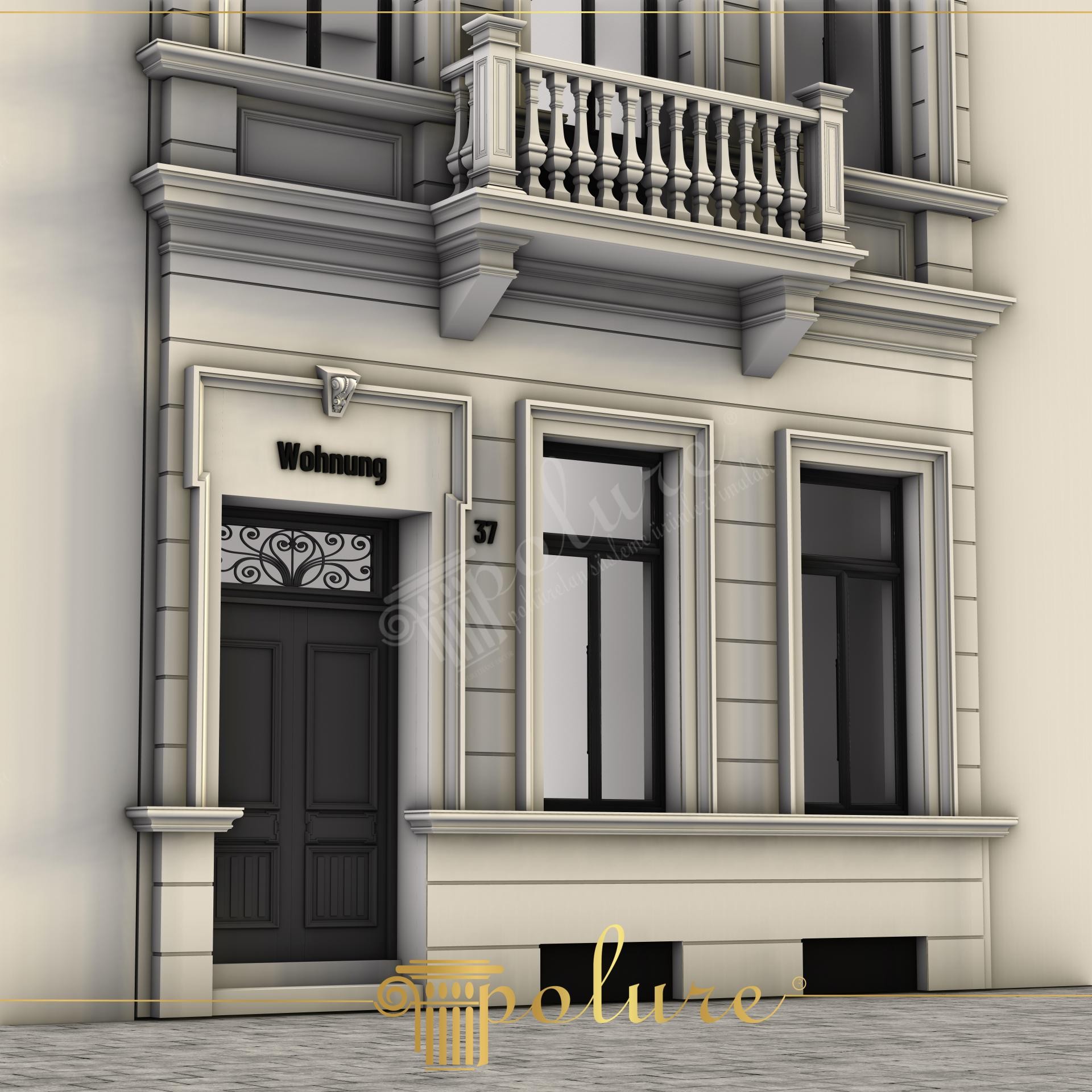
Hotel Facade Design An Iconic Step To Elegance And Uniqueness
Hotel exterior design is an important element that reflects the elegance and uniqueness of a hotel. You can offer an impressive welcome to your guests and strengthen the image of your hotel with iconic hotel facade decoration. Facade designs increase the prestige of your hotel and contribute to an unforgettable experience for your guests. You can impress your customers and gain a competitive advantage with a unique exterior design that reflects the identity of your hotel. design is an important architectural element and helps you strengthen the brand value of your hotel You can make your hotel unique with a stylish and iconic hotel façade decoration and host your guests in a charming atmosphere You can visit our blog to learn more about hotel exterior design and get professional advice Design that will make your hotel stand out Read our blog today to add a special touch to your hotel's exterior and provide an unforgettable experience.
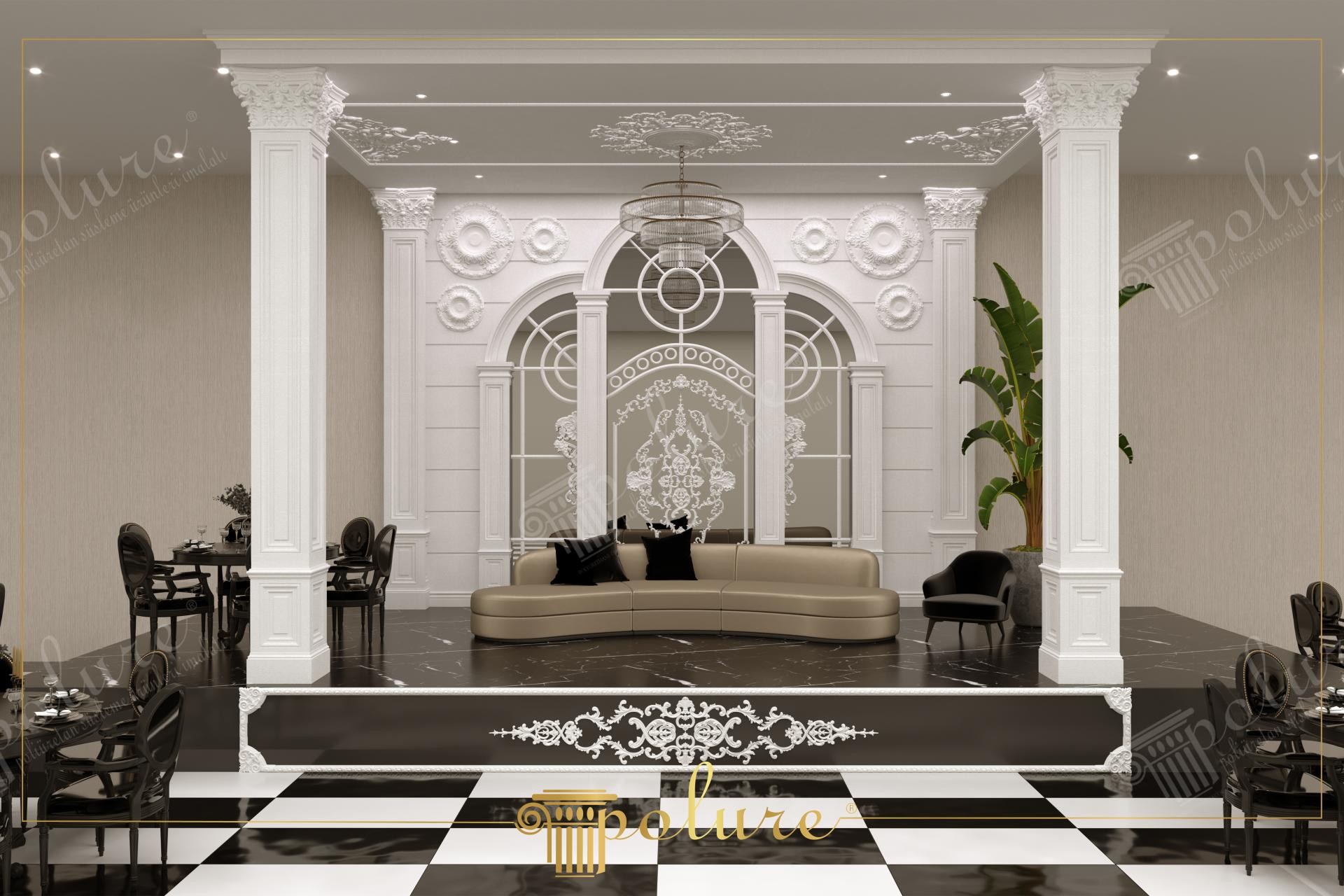
Elegant Polyurethane Classic Interior Design for Wedding Hall Decoration
Classic Polyurethane Wedding Hall InteriorThe wedding hall exemplifies how polyurethane can be used to achieve timeless aesthetics while ensuring durability. Tall white columns with Corinthian-inspired capitals frame the stage area, enhancing the sense of verticality and grandeur. The symmetrical design of the back wall includes circular medallions and floral motifs, adding depth and layered texture.The arched central panel is enriched with ornamental detailing, blending geometric and botanical motifs to create a refined focal point. Below, the curved beige sofa complements the rigid architectural lines, providing contrast in both form and function. The polished black marble of the elevated stage sets a luxurious platform for the seating arrangement.The floor design, a bold checkerboard pattern in black and white, echoes the classical harmony often found in European interiors of the 18th century. Such flooring, historically rooted in aristocratic halls, symbolizes order and balance. This classical reference is subtly integrated into a modern context, making the setting suitable for grand events.The ceiling ornamentation, crafted with delicate reliefs, contributes to the sense of elegance without overwhelming visual balance. A layered chandelier provides both central lighting and ornamental beauty. The presence of lush greenery at the sides softens the structured layout, adding a touch of organic warmth.Overall, the hall exemplifies the versatility of classical design principles when combined with modern polyurethane applications, presenting a decorative language that feels both contemporary and timeless. This wedding hall interior demonstrates the refined use of polyurethane for timeless decoration. Tall columns emphasize grandeur and symmetry. The wall features circular medallions with intricate floral reliefs. An arched panel forms a stunning decorative focal point. The beige sofa contrasts with structured architectural lines. Ornamental motifs enrich visual depth and harmony. A striking checkerboard floor adds elegance. Black marble enhances the sense of luxury. Ceiling reliefs introduce classical refinement. A chandelier balances light and decor. Greenery softens the strong formal geometry. The decorative patterns highlight craftsmanship. Classical inspiration merges with modern applications. Ornamental detailing supports a cohesive aesthetic. Overall, the hall embodies classical elegance suitable for wedding celebrations.
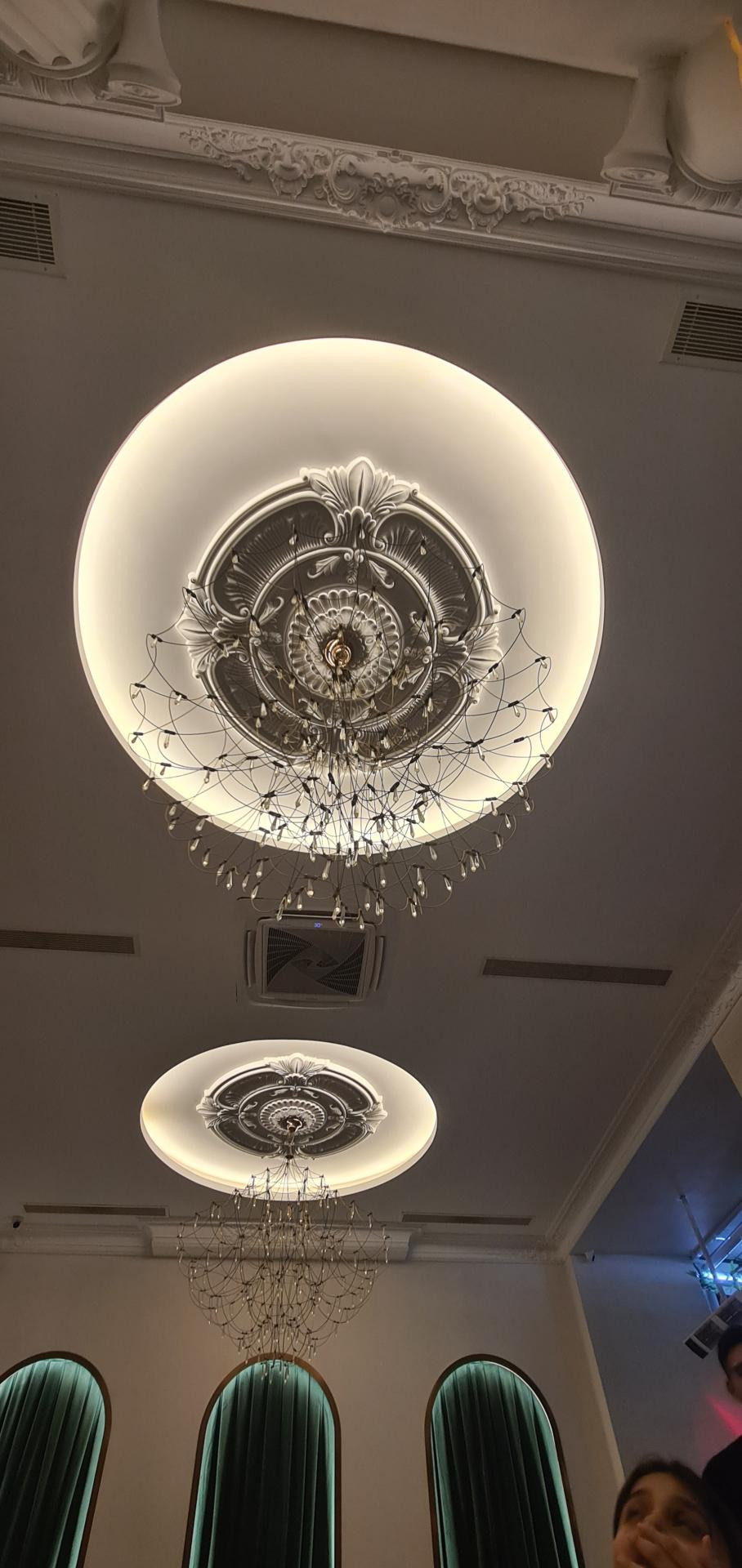
Elegant polyurethane ceiling medallions with chandeliers for classic salon design
Polyurethane Ceiling Medallions in Classic InteriorsPolyurethane ceiling medallions are highly valued in interior design for their ability to combine classic detailing with modern ease of installation. The medallions in this space exhibit elaborate circular motifs, showcasing a layered arrangement of floral and palmette-inspired reliefs. These carefully sculpted designs act as a decorative frame for hanging chandeliers, drawing the eye upward and emphasizing the vertical dimension of the room.The shimmering chandelier, suspended at the core of each medallion, adds contrast with its web-like arrangement of delicate arms and crystal-like drops. The organic geometry of the metal structure complements the symmetry of the medallions, producing a striking blend of order and fluidity. Soft LED backlighting placed within the recess of each medallion enhances the ornamental details, adding dimension through gentle shadows and luminous highlights.Historical Inspiration and Modern ApplicationElaborate ceiling medallions draw inspiration from neoclassical and baroque interiors, traditions where carved plasterwork was often used to demonstrate refinement and craftsmanship. In modern practice, the introduction of polyurethane has made these intricate decorations lighter, easier to install, and more durable. This allows designers to achieve the visual richness of historic salons without the challenges of heavy plaster.When combined with carefully considered lighting and textiles such as the deep green curtains surrounding the room's arched windows, these medallions tie together a harmonious composition. Designers seeking a balance between heritage and innovation often use such elements to establish a sense of luxury while maintaining functional modernity.Intricate floral and geometric relief patternsSymmetrical design emphasizing chandelier placementIntegrated lighting to reveal decorative depthPolyurethane construction for durability and versatilityThis fusion of ornamentation, lighting, and material innovation demonstrates how stylized ceilings remain a vital component of distinctive interior design. Polyurethane medallions add elegance to interior ceilings with refined classical motifs. The combination of delicate floral relief and bold geometric symmetry enhances the overall sense of order. Integrated lighting within the circular recess enriches the details of the carvings, creating a glowing effect. Luxurious chandeliers with metal wires and crystal-like drops amplify the luminous drama. The balance between tradition and innovation makes these ceilings timeless. Polyurethane ensures durability while preserving intricate artistry. The use of chandeliers highlights the medallion as the centerpiece. Harmonious interaction of light and shadow deepens spatial atmosphere. Inspired by historic neoclassical interiors, this design adapts gracefully to modern use. Arched windows with velvet curtains strengthen the luxurious setting. The ceiling treatment emphasizes vertical grandeur and decorative finesse. Subtle ornamentation integrates with strong symmetry. Soft curves and ornamental flourishes create dynamic compositions. Polyurethane solutions simplify installation while maintaining aesthetic power. Altogether, these classic elements form an inspiring model for modern decorative design.

Timeless Elegance with Polyurethane in Classic Interior Design
Classic Ornamentation with PolyurethaneThe integration of polyurethane elements in the interior creates an atmosphere of refined elegance. The panels are detailed with symmetrical motifs and delicate borders, reflecting the harmony of classical design traditions. The ceiling composition features layered ovals with a central rosette, a form often seen in European palatial structures of the 18th century.The fireplace serves as the centerpiece, framed with sculptural carvings that merge floral and geometric elements. Around it, the paneling carries ornamental reliefs shaped in arabesques, scrolls, and floral baskets, producing a balanced dialogue between structure and decoration.Geometric Harmony and Decorative DetailingIntricate geometric patterns on the upper wall complement the overall design, while the calm hues of beige and cream highlight the dimensional carvings. The repeating symmetrical alignments give the walls a rhythm reminiscent of traditional neoclassical interiors.Polyurethane as a material provides not only the capacity for such refined detail but also durability and ease of maintenance. Historical parallels can be seen in the evolution of decorative plaster and stucco, but polyurethane modernizes the approach, preserving the classic aesthetic with practical benefits.Refined floral medallions enhance surface depth.Symmetrical framing reinforces visual balance.Layered ceiling profiles create architectural drama.Durable materials ensure lasting beauty. This classic interior demonstrates how polyurethane can elevate timeless design. Ornate wall panels feature symmetrical motifs that recall elegant European traditions. The ceiling holds layered profiles with a central rosette that defines the space. Gentle beige tones contrast beautifully with carved details. A sculpted fireplace enhances the grandeur of the setting. The use of ornamental reliefs on the walls enriches surface texture. Balanced geometry reinforces harmony throughout the room. Floral medallions and arabesque motifs add refinement. The chandelier introduces a contemporary accent amid classical surroundings. Polyurethane allows designers to recreate historic patterns with ease. The blend of structure and decoration creates depth. Repetition of geometric details offers rhythm. The design captures both luxury and practicality. Classic interior traditions find enduring expression here. Overall, the project proves versatility and elegance combined.

Polyurethane is a versatile material used in hotel interior decoration for creating durable and attractive designs. The interior decoration of a hotel should aim to provide a comfortable, welcoming, and aesthetically pleasing environment for guests. This involves using high-quality materials, such as polyurethane, for furniture, moldings, and other decorative elements to enhance the overall look and feel of the hotel's interior spaces.
Polyurethane Hotel Interior Decoration Ideas
When it comes to hotel interior decoration, creating an atmosphere that resonates with guests is crucial. Polyurethane, with its versatility and durability, offers numerous possibilities to achieve a welcoming and luxurious environment. Here are some ideas on how polyurethane can be incorporated into hotel interior decoration.
Wall and Ceiling Applications
Polyurethane panels and moldings can be used to add texture and dimension to walls and ceilings. They can mimic the look of wood, stone, or other materials, offering an elegant touch to the hotel’s design. These lightweight materials are easy to install and can dramatically transform spaces into sophisticated areas.
Furniture and Upholstery
Using polyurethane in furniture and upholstery ensures durability and ease of maintenance, which are essential in high-traffic areas like hotels. Chairs, sofas, and beds can be designed with polyurethane foam, providing comfort and support to guests. Additionally, polyurethane finishes can be applied to furniture, offering protection and a sleek appearance.
Decorative Accents
Polyurethane is also perfect for creating decorative accents such as frames, mirror borders, and art installations. These elements can add character and uniqueness to hotel rooms and common areas, enhancing the overall guest experience.
Flooring Solutions
Polyurethane coatings for flooring can not only protect the surface but also provide an aesthetic appeal. They are available in various colors and finishes, allowing for customization according to the hotel’s theme. Polyurethane floors are easy to clean, resistant to wear and tear, and can withstand heavy foot traffic, making them ideal for hotels.
Lighting Fixtures
Lighting fixtures made with polyurethane materials can complement the hotel’s interior design. Whether it’s elegant chandeliers, modern pendant lights, or functional wall sconces, polyurethane offers the flexibility to create designs that can enhance the ambiance of any room.
In conclusion, polyurethane provides endless possibilities for hotel interior decoration. Its versatility, durability, and aesthetic appeal make it an ideal choice for creating spaces that are not only beautiful but also functional and welcoming. Incorporating polyurethane into hotel design can help achieve a distinctive look that will leave a lasting impression on guests.
The significance of hotel interior decoration ideas in history is about understanding how hotel interiors should be designed.
Hotel Interior Decoration Ideas in History
The concept of hotel interior decoration has evolved significantly over the centuries, reflecting broader trends in art, culture, and society. From the opulent palaces of ancient times to the minimalist designs of the modern era, the transformation of hotel interiors tells a fascinating story of aesthetic evolution, technological advancement, and changing human needs.
Ancient Origins
In ancient civilizations such as Rome and Greece, hospitality was extended to travelers by offering them spaces that were decorated to reflect the wealth and status of the host. These early examples of guest accommodations were lavishly adorned with tapestries, sculptures, and intricate mosaics, setting a precedent for the importance of interior decoration in hospitality settings.
The Middle Ages to the Renaissance
During the Middle Ages, inns and guest houses continued the tradition of providing shelter and comfort to travelers. The Renaissance period saw a significant leap in the artistic expression within hotel interiors, with a focus on symmetry, proportion, and the integration of art to create spaces that were both beautiful and functional.
The Industrial Revolution to the 20th Century
The advent of the Industrial Revolution brought about new materials and technologies, enabling more elaborate and varied interior designs. The grand hotels of the 19th and early 20th centuries epitomized luxury and opulence, with their lavish decorations, plush furnishings, and ornate architectural details.
Modernism and Beyond
The 20th century introduced modernism to hotel interior decoration, emphasizing simplicity, clean lines, and functionality. This era saw the emergence of design movements such as Art Deco, which combined modernist styles with fine craftsmanship and rich materials. Today, the trend in hotel interior decoration is increasingly focused on sustainability, local culture, and creating unique guest experiences, reflecting a more personalized approach to hospitality.
Conclusion
Hotel interior decoration ideas have played a pivotal role in history, not only in enhancing the guest experience but also in reflecting the societal values and technological advancements of the times. From ancient luxury to modern minimalism, the evolution of hotel interiors continues to influence and inspire the future of hospitality design.
Ideas for decorating hotel interiors with polyurethane include using it for elegant trim, durable furniture, and stylish wall panels. Hotel interiors should be welcoming, comfortable, and reflect the hotel's theme. Polyurethane is versatile, easy to maintain, and enhances the aesthetic appeal.
Polyurethane Hotel Interior Decoration Ideas
When it comes to hotel interior decoration, creating an environment that is welcoming, durable, and aesthetically pleasing is essential. Polyurethane is a versatile material that can be used in various aspects of hotel design to achieve these goals. Here are some ideas on how polyurethane can be incorporated into hotel interiors.
Durable Flooring
Polyurethane flooring is known for its durability and ease of maintenance, making it an ideal choice for hotels. It can withstand heavy foot traffic and resist spills and stains, ensuring the hotel's floors look pristine for years. Additionally, polyurethane floors can mimic the look of more expensive materials like hardwood or stone, providing a luxurious feel at a fraction of the cost.
Stylish Furniture
Furniture coated with polyurethane varnish not only lasts longer but also retains its color and finish, making it perfect for hotels that aim for a high-end look. This material is also easy to clean and maintain, ensuring that hotel furniture remains attractive and inviting to guests.
Decorative Wall Finishes
Using polyurethane in wall coverings or decorative panels can add texture and depth to hotel interiors. These finishes are available in a wide range of colors and patterns, allowing designers to create unique and appealing environments that can stand the test of time.
Elegant Mouldings
Polyurethane mouldings can be used to add elegance and character to hotel rooms and lobbies. They are lightweight, easy to install, and resistant to moisture and decay, making them a practical choice for enhancing the aesthetic appeal of hotel spaces.
Practical and Aesthetic Lighting Fixtures
Lighting fixtures made with polyurethane materials can offer both functionality and beauty. These fixtures can be designed in various styles to complement the hotel's theme, from modern and sleek to traditional and ornate.
In conclusion, polyurethane offers numerous advantages for hotel interior decoration. Its versatility, durability, and aesthetic appeal make it a preferred choice for designers aiming to create spaces that are both beautiful and functional. By incorporating polyurethane into various elements of hotel design, it's possible to achieve an interior that welcomes guests with style and comfort.
Yes, the usage areas of polyurethane in hotel interior decoration are distinct. Hotel interior decoration should be approached with specific ideas in mind.
Polyurethane in Hotel Interior Decoration
Polyurethane has become an increasingly popular material in the design and decoration of hotels, thanks to its versatility, durability, and aesthetic appeal. It is used in various applications, ranging from furniture and fixtures to architectural details and finishes. Understanding how to effectively incorporate polyurethane into hotel interiors can significantly enhance the ambiance, functionality, and overall guest experience.
Application Areas of Polyurethane in Hotel Interiors
Polyurethane can be applied in several areas within hotel interiors, each offering unique benefits. Here are some of the key applications:
- Furniture: Polyurethane foam is widely used in the manufacturing of comfortable, durable furniture including sofas, chairs, and beds, providing guests with a pleasant and relaxing stay.
- Decorative Elements: Molded polyurethane decorative elements, such as cornices, moldings, and ceiling roses, add a touch of elegance and sophistication to hotel rooms and lobbies.
- Wall Panels: Polyurethane wall panels can be used to add texture, color, and pattern to interior spaces, enhancing the visual appeal of hotel rooms and common areas.
- Flooring: Polyurethane finishes are applied to flooring to increase durability, resistance to wear and tear, and ease of maintenance, making them ideal for high-traffic areas in hotels.
- Lighting Fixtures: Polyurethane is used in the creation of decorative lighting fixtures, which can serve as focal points in hotel interiors, contributing to the overall ambiance.
How Should Hotel Interior Decoration Be?
Hotel interior decoration should aim to create an inviting, comfortable, and memorable environment for guests. It should reflect the brand's identity and cater to the needs and expectations of its target audience. The use of polyurethane in hotel interiors should be thoughtful and strategic, enhancing both the aesthetic and functional aspects of the space. Here are some guidelines:
- Ensure a cohesive design theme that aligns with the hotel's branding and guest expectations.
- Incorporate durable and easy-to-maintain materials like polyurethane to ensure longevity and ease of care.
- Use polyurethane decorative elements to add character and uniqueness to the space, making it stand out.
- Focus on guest comfort by selecting polyurethane foam furniture that offers support and relaxation.
- Consider the environmental impact of materials and opt for eco-friendly polyurethane options when available.
In conclusion, polyurethane offers a range of possibilities for hotel interior decoration. Its varied applications allow designers to create spaces that are not only visually appealing but also functional and durable. By carefully selecting and incorporating polyurethane elements, hotels can achieve a distinctive look that enhances guest experience and satisfaction.
Ideas for Decorating Hotel Interiors with Polyurethane - What Should Hotel Interior Decor Look Like? Styles.
Polyurethane Hotel Interior Decoration Ideas
When it comes to hotel interior decoration, creating an atmosphere that welcomes guests and offers them a unique experience is paramount. The use of polyurethane in hotel interiors has become increasingly popular due to its versatility, durability, and aesthetic appeal. Here, we explore how hotel interior decoration can be enhanced with polyurethane models and materials.
Why Choose Polyurethane?
Polyurethane is a highly adaptable material that can be shaped into intricate designs and patterns, making it ideal for custom decorations and architectural details. Its durability ensures that it can withstand the high traffic of hotels while maintaining its beauty over time. Additionally, polyurethane is resistant to moisture and pests, which is essential for maintaining a clean and healthy environment.
Entrance and Lobby
The entrance and lobby set the tone for the entire hotel, making it crucial to create a striking first impression. Polyurethane can be used for elegant crown moldings, stunning wall panels, and ornate ceiling designs that capture the essence of the hotel's theme. Incorporating polyurethane columns and archways can also add to the grandeur of the space, welcoming guests into a world of luxury.
Guest Rooms and Suites
In guest rooms and suites, comfort and aesthetics go hand in hand. Polyurethane elements such as decorative headboards, window trims, and baseboards can add a touch of sophistication to the rooms. Furniture made with polyurethane components not only looks elegant but is also durable and easy to maintain, ensuring that the rooms remain attractive for years to come.
Dining Areas
The dining areas of hotels are where guests come to relax and enjoy meals. Polyurethane can be utilized to create atmospheric lighting fixtures, intricate table bases, and stylish chair designs that enhance the dining experience. Wall panels and decorative elements can also add character to the space, making each meal a memorable event.
Spa and Wellness Centers
For spa and wellness centers, creating a serene and inviting atmosphere is essential. Polyurethane can be used to craft relaxing lounge chairs, serene water features, and tranquil decorative elements that promote a sense of well-being. Its ability to mimic stone and wood allows for the creation of a natural-looking environment that encourages relaxation.
Conclusion
Hotel interior decoration with polyurethane offers endless possibilities to create spaces that are both beautiful and functional. Its versatility, durability, and aesthetic appeal make it an excellent choice for hotels looking to offer their guests a unique and luxurious experience. By incorporating polyurethane into various aspects of hotel design, from the lobby to the guest rooms, hotels can achieve a distinctive look that sets them apart.
Polyurethane for hotel interior decoration ideas: How should hotel interior decoration be? Can it be used on exterior walls?
Polyurethane in Hotel Interior and Exterior Decorations
When it comes to hotel interior decoration, the choice of materials plays a pivotal role in defining the aesthetic and functional qualities of the space. Polyurethane is a versatile material that has been widely used in interior decorations due to its durability, ease of maintenance, and aesthetic appeal. However, the question arises whether polyurethane can be effectively used on exterior walls as well.
Benefits of Polyurethane in Interior Decoration
In hotel interiors, polyurethane is often utilized for molding, furniture, and decorative elements. Its benefits include:
- Durability: Polyurethane is resistant to wear and tear, making it ideal for high-traffic areas in hotels.
- Ease of Maintenance: Its smooth surface can be easily cleaned, ensuring a hygienic environment.
- Aesthetic Flexibility: Polyurethane can be molded into various shapes and finishes, allowing for creative and customized design solutions.
Using Polyurethane on Exterior Walls
While polyurethane offers numerous advantages for interior decoration, its application on exterior walls requires careful consideration. Polyurethane can be used on exterior walls, provided it is formulated for outdoor use. Exterior-grade polyurethane is designed to withstand environmental elements such as UV rays, temperature fluctuations, and moisture, making it suitable for outdoor applications.
Key Considerations for Exterior Use:
- Weather Resistance: Ensure the polyurethane is specifically designed to resist weathering and UV damage.
- Thermal Expansion: Consider the material's ability to expand and contract without cracking under different temperatures.
- Finish and Color Stability: Exterior-grade polyurethane should maintain its finish and color over time, despite exposure to sunlight and weather conditions.
Conclusion
While polyurethane is predominantly seen in hotel interior decorations for its numerous benefits, it can also be applied to exterior walls with proper consideration and use of exterior-grade products. By selecting the right type of polyurethane, hotels can extend the aesthetic appeal and durability of interior design elements to the exterior, ensuring a cohesive and inviting appearance for guests.
Can polyurethane hotel interior decoration ideas be painted? How should hotel interior decoration be?
Polyurethane Hotel Interior Decoration Ideas: Can They Be Painted?
When it comes to hotel interior decoration, creating an atmosphere that is both welcoming and visually appealing is paramount. Polyurethane, known for its durability and versatility, is a popular choice among designers for hotel interiors. But a common question arises: Can polyurethane hotel interior decorations be painted?
Understanding Polyurethane
Polyurethane is a type of polymer that can be both rigid and flexible, making it an ideal material for a wide range of interior decoration applications, from wall panels and moldings to furniture and decorative accents. Its resilience makes it a preferred choice for high-traffic areas within hotels.
The Possibility of Painting Polyurethane
Yes, polyurethane decorations can indeed be painted, offering hotel owners and interior designers the flexibility to customize and refresh their spaces as needed. However, the process requires careful preparation and the right type of paint to ensure a durable and aesthetically pleasing finish.
Preparation is Key
Before painting, the polyurethane surface needs to be properly prepared. This involves cleaning the surface to remove any dust, grease, or other contaminants and lightly sanding it to create a rough texture for the paint to adhere to. A primer designed for use on plastic surfaces is also recommended to enhance paint adhesion and coverage.
Choosing the Right Paint
When selecting paint for polyurethane decorations, acrylic or oil-based paints are typically the best choices due to their durability and compatibility with plastic surfaces. Water-based acrylics are preferred for their quick drying time and low odor, making them ideal for hotel environments where minimizing downtime and guest inconvenience is important.
Conclusion
In conclusion, painting polyurethane hotel interior decorations is not only possible but can be an effective way to update and personalize hotel spaces. With proper preparation and the right materials, polyurethane surfaces can be transformed with color, bringing new life to hotel interiors and enhancing the overall guest experience.
To apply polyurethane in hotel interior decoration, follow these steps: 1. Choose the right type of polyurethane for the hotel's style and needs. 2. Prepare the surface by cleaning and sanding it. 3. Apply a thin coat of polyurethane using a brush or roller. 4. Allow it to dry completely, then lightly sand the surface. 5. Apply additional coats as needed, sanding between each. 6. Ensure the area is well-ventilated throughout the process. Hotel interior decoration should: - Reflect the hotel's brand and cater to its target audience. - Prioritize comfort and functionality in design. - Use durable and high-quality materials. - Incorporate local culture and elements for a unique experience. - Ensure good lighting and a cohesive color scheme. - Keep accessibility in mind for all guests.
Applying Polyurethane in Hotel Interior Decoration
Introduction
Hotel interior decoration plays a crucial role in providing guests with a memorable stay. The application of polyurethane is one technique that can enhance the durability and aesthetic appeal of hotel interiors. This article will explore how polyurethane can be applied in hotel decoration and what considerations should be made for hotel interior decoration.
Applying Polyurethane in Hotel Interiors
Polyurethane is a versatile material that can be used on various surfaces, including wood, concrete, and metal. Its application can help protect surfaces from wear and tear, making it ideal for high-traffic areas in hotels. Here's how to apply polyurethane in hotel interior decoration:
- Preparation: Ensure the surface is clean, dry, and free of any old finishes or grease. Sand the surface lightly to improve adhesion.
- Choosing the Right Polyurethane: There are two types of polyurethane - water-based and oil-based. Consider the area of application, drying time, and the desired finish when choosing.
- Application: Apply the polyurethane using a brush or roller. For best results, apply thin coats and allow adequate drying time between coats.
- Finishing Touches: Once the final coat is dry, inspect the surface for any drips or brush marks. Lightly sand if necessary for a smooth finish.
Hotel Interior Decoration Considerations
When decorating a hotel interior, it's essential to consider both aesthetics and functionality. Here are some considerations:
- Theme: Choose a theme that reflects the hotel's identity and appeals to your target audience.
- Comfort: Ensure that furniture and fixtures not only look good but are also comfortable and functional.
- Lighting: Proper lighting can enhance the ambiance of a room. Consider using a mix of natural and artificial lighting.
- Artwork: Art can add character and interest to hotel interiors. Choose pieces that complement the overall design theme.
- Sustainability: Consider using eco-friendly materials and practices in your design to appeal to environmentally conscious guests.
Conclusion
Applying polyurethane in hotel interior decoration can significantly enhance the longevity and aesthetic appeal of the decor. By considering the factors mentioned above, hotels can create inviting and memorable environments for their guests. Remember, the goal is to strike a balance between beauty, functionality, and durability.
Polyurethane hotel interior decoration focuses on using durable, versatile materials that can mimic various textures and are easy to maintain. Styrofoam hotel interior decoration, on the other hand, leans towards cost-effective, lightweight options that are easier to shape and install but might lack durability.
Differences Between Polyurethane and Styrofoam in Hotel Interior Decoration
Introduction
Hotel interior decoration plays a pivotal role in enhancing guest experience and ensuring comfort. Among the materials commonly used for decorative purposes are polyurethane and styrofoam. Each material offers unique characteristics and benefits for interior decoration. This article explores the differences between polyurethane and styrofoam in the context of hotel interior decoration.
Polyurethane in Hotel Interior Decoration
Polyurethane is a versatile material widely used in hotel interior decoration for its durability and aesthetic appeal. It can be molded into various shapes and designs, making it suitable for decorative moldings, wall panels, and furniture. Polyurethane is known for its resistance to wear, tear, and environmental factors, making it an excellent choice for high-traffic areas in hotels. Additionally, it offers a luxurious look and feel, enhancing the overall ambiance of hotel interiors.
Styrofoam in Hotel Interior Decoration
Styrofoam, on the other hand, is a lightweight material that offers excellent insulation properties. It is often used in hotel interior decoration for temporary structures, event decor, and lightweight wall panels. Styrofoam is easy to shape and paint, allowing for creative and cost-effective decorative solutions. However, it is less durable than polyurethane and may not withstand heavy wear and tear, making it less suitable for permanent installations in high-traffic areas.
Comparison and Conclusion
When comparing polyurethane and styrofoam for hotel interior decoration, it's essential to consider the intended use and desired longevity of the decorative elements. Polyurethane is preferable for permanent installations where durability and a high-end finish are priorities. Styrofoam is better suited for temporary decorations or where weight and cost are significant considerations. Ultimately, the choice between polyurethane and styrofoam will depend on the specific needs and goals of the hotel's interior design project.
Polyurethane vs. Plaster for Hotel Interior Decoration: - Polyurethane is often used for decorative elements due to its lightweight and easy-to-mold nature, allowing for intricate designs. It's also durable and resistant to wear, making it suitable for high-traffic areas in hotels. - Plaster, on the other hand, is a traditional material that offers a classic look. It can be used to create smooth finishes or detailed moldings. Plaster is known for its robustness and ability to enhance soundproofing, which can be beneficial in a hotel setting. For hotel interior decoration, the choice between polyurethane and plaster depends on the desired aesthetic, durability requirements, and budget.
Hotel Interior Decoration Ideas: Polyurethane vs. Plaster
Introduction
When it comes to hotel interior decoration, selecting the right materials can significantly impact the overall ambiance and guest experience. Two popular choices for decorative elements are polyurethane and plaster. Both materials offer distinct advantages and can contribute to a hotel's aesthetic in different ways.
Polyurethane in Hotel Interior Decoration
Polyurethane is a versatile synthetic material known for its durability and ease of maintenance. It is often used to create intricate moldings, wall panels, and decorative accents. Polyurethane is lightweight, which makes it easy to install, and it is resistant to moisture, making it ideal for use in various climates. Additionally, polyurethane can be painted to match any interior design scheme, offering flexibility in decoration.
Plaster in Hotel Interior Decoration
Plaster, on the other hand, is a traditional material that has been used for centuries in building and decoration. It provides a classic look that adds texture and depth to walls and ceilings. Plaster is known for its ability to create detailed, custom shapes and designs, making it a preferred choice for historic restoration projects or luxury accommodations aiming for an authentic or high-end aesthetic. However, it requires skilled artisans for application and is more susceptible to damage from impacts and moisture than polyurethane.
How Should Hotel Interior Decoration Be?
The choice between polyurethane and plaster for hotel interior decoration depends on several factors, including the desired aesthetic, budget, and practical considerations like climate and guest usage. Polyurethane offers modern versatility and durability, making it suitable for hotels looking for cost-effective and long-lasting decoration options. Plaster, while more expensive and requiring more maintenance, provides a level of elegance and customization that can elevate the luxury and uniqueness of a hotel's design.
In conclusion, both polyurethane and plaster have their place in hotel interior decoration. The decision should be based on the hotel's brand identity, the atmosphere it aims to create, and the practicalities of maintenance and durability. By carefully considering these factors, hoteliers can choose the right material to enhance their property's appeal and ensure a memorable stay for their guests.
Polyurethane precast is made from a type of plastic that is strong and lightweight. GRC precast, or Glass Reinforced Concrete precast, is made from a mixture of cement and glass fibers, making it tough and durable.
Polyurethane Precast vs GRC Precast
In the world of construction, materials play a pivotal role in determining the quality, durability, and aesthetics of buildings and structures. Two popular materials in the precast industry are polyurethane precast and Glassfibre Reinforced Concrete (GRC) precast. Both materials offer unique benefits and have distinct differences that make them suitable for various applications.
What is Polyurethane Precast?
Polyurethane precast is a type of building material made from high-density polyurethane foam. It is known for its lightweight, insulation properties, and versatility. Polyurethane precast panels can be used in a wide range of applications, including architectural detailing, façade panels, and interior decorations. One of the key advantages of polyurethane precast is its ability to mimic the appearance of more traditional materials like wood, stone, or brick, while offering superior insulation and being more lightweight.
What is GRC Precast?
GRC precast, or Glassfibre Reinforced Concrete precast, is a composite material made from cement, fine aggregates, water, chemical admixtures, and alkali-resistant glass fibers. GRC precast is highly valued for its strength, durability, and versatility. It is significantly lighter than traditional concrete but maintains high tensile strength due to the incorporation of glass fibers. GRC can be molded into a wide variety of shapes and textures, making it a popular choice for decorative panels, cladding, and architectural elements.
Key Differences
- Material Composition: Polyurethane precast is primarily made from polyurethane foam, whereas GRC precast is a composite of cement and glass fibers.
- Weight: Polyurethane precast is lighter than GRC precast, making it easier to handle and install.
- Insulation: Polyurethane offers superior insulation properties compared to GRC, making it a better choice for energy-efficient building designs.
- Strength: GRC precast typically has higher tensile strength and durability, making it suitable for structural applications and exterior cladding.
- Aesthetics: Both materials can be molded into various shapes and textures, but polyurethane is better at mimicking the appearance of other materials like wood or stone.
Conclusion
Choosing between polyurethane precast and GRC precast depends on the specific requirements of a project. For applications where lightweight materials and insulation are crucial, polyurethane precast is the preferred choice. Conversely, for projects that require high strength, durability, and versatility in design, GRC precast is more suitable. Understanding the unique properties and benefits of each material can help architects, designers, and builders make informed decisions to achieve the desired outcome for their construction projects.
Polyurethane is a versatile material for hotel interior decoration, offering various design options. The decor should enhance the guest experience, combining aesthetics, comfort, and functionality. Prices vary based on design complexity and materials used.
Polyurethane Hotel Interior Decoration Ideas
Hotel interior decoration stands as a pivotal aspect in defining the ambiance and overall guest experience. Incorporating polyurethane into hotel interiors has emerged as a popular trend, thanks to its versatility, durability, and aesthetic appeal. This article explores how hotel interiors can be enhanced with polyurethane and provides an insight into the pricing dynamics.
Why Choose Polyurethane for Hotel Interiors?
Polyurethane is renowned for its resilience, ease of maintenance, and flexibility in design. It can mimic the texture and appearance of more expensive materials like wood and stone, at a fraction of the cost. Polyurethane is also resistant to wear and tear, making it an ideal choice for high-traffic areas in hotels.
Ideas for Incorporating Polyurethane in Hotel Interiors
- Wall Panels and Moldings: Use polyurethane panels and moldings to add depth and character to walls. They can be designed to suit various themes, from classic elegance to modern minimalism.
- Furniture: Opt for polyurethane-coated furniture that offers the luxurious look of leather or the charm of wood without the high cost and maintenance requirements.
- Decorative Accents: Incorporate polyurethane in decorative elements such as frames, mirror borders, and light fixtures to enhance the aesthetic appeal of the space.
- Flooring: Polyurethane flooring is durable, easy to clean, and available in designs that mimic more expensive materials, making it a practical choice for hotel interiors.
Pricing Considerations
The cost of incorporating polyurethane into hotel interiors can vary widely based on the scope of the project, the quality of the materials, and the complexity of the designs. On average, polyurethane decorative elements can range from $5 to $20 per square foot, while furniture and larger installations may cost more. It's important to work with reputable suppliers and contractors to ensure high-quality results that align with your budget and design objectives.
Conclusion
Integrating polyurethane into hotel interior decoration offers a cost-effective way to achieve a luxurious and durable environment that can enhance guest experience. With careful planning and creative design, hotels can leverage polyurethane to create stunning interiors that stand the test of time.
Information Gallery
List of detailed descriptions of images in the image gallery.