 ENGLISH
 TÜRKÇE
 ITALIAN


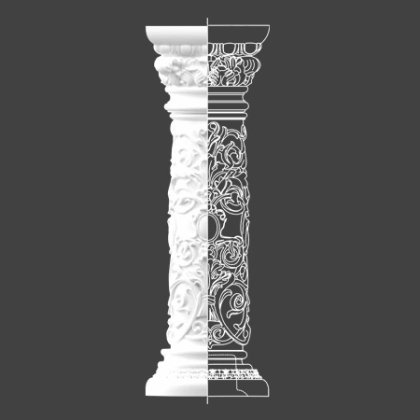
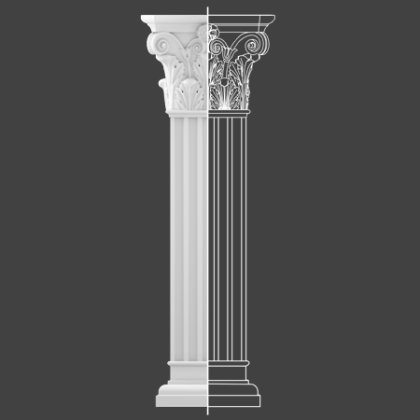
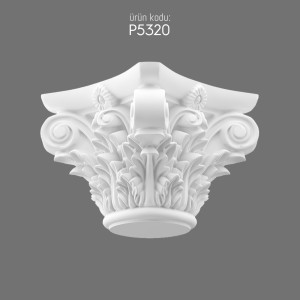
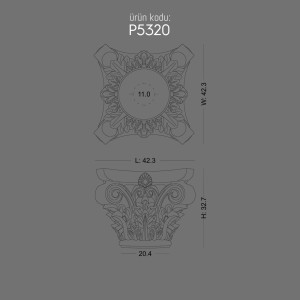
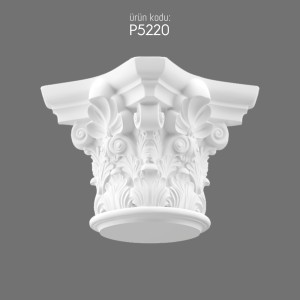
20 CM Diameter Doric Ionic Corinthian Polyurethane Column Capitals and Models
Introduction to Doric and Ionic Column Capitals
Doric and Ionic column capitals are among the most important elements of Ancient Greek architecture. These architectural components were adopted and used by many civilizations throughout history. Especially the 20 cm diameter Doric and Ionic column capitals are ideal for small-scale structures and decorative purposes. This article will cover the history, characteristics, and uses of these capitals in modern architecture.
Doric Column Capitals
The Doric column capital is considered the oldest and simplest style in Ancient Greek architecture. It symbolizes strength and simplicity. Doric capitals are usually recognized by their heavy and solid structure. The 20 cm diameter Doric capitals are perfect for small-scale projects or for detailed architectural work. These types of capitals typically include a simple abacus top surface that ends with a flat layer, along with a rounded echinus base.
Ionic Column Capitals
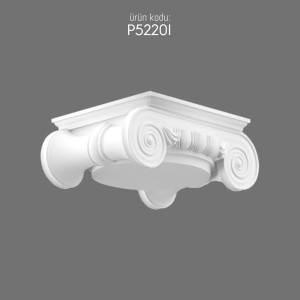
The Ionic column capital has a more complex and decorative design. Ionic style is associated with refinement and grace. The most distinctive feature of Ionic capitals is the volutes, the spiral ornaments placed on both sides of the capital. The 20 cm diameter Ionic capitals, with their elegant details, are frequently chosen for small-scale structures and interior decorative applications. They usually present a more slender and graceful appearance.
Impact on Modern Architecture
The influence of Ancient Greek column capitals on modern architecture cannot be overlooked. Doric and Ionic capitals are still used in many contemporary projects. Particularly, small-scale capitals such as those with a 20 cm diameter are preferred in museums, art galleries, private residences, and garden designs for decorative purposes. These capitals not only add a historical touch but also provide aesthetic value.
- Decoration in interiors and gardens
- Use in museums and cultural institutions
- Enhancing architectural details with timeless elegance
Conclusion
Doric and Ionic column capitals are timeless elements of Ancient Greek architecture. The 20 cm diameter column capitals are excellent for small-scale structures and detailed work. Their use in modern architecture contributes to the preservation and continuation of historical and cultural heritage. By enriching buildings with both historical and aesthetic value, these architectural details inspire a sense of classical elegance. Designed with inspiration from Ancient Greek architecture, they hold an important place in the universal language of design.





Polyurethane 20 CM Diameter Fluted Straight Cylindrical Snake Column Models
Design and Features
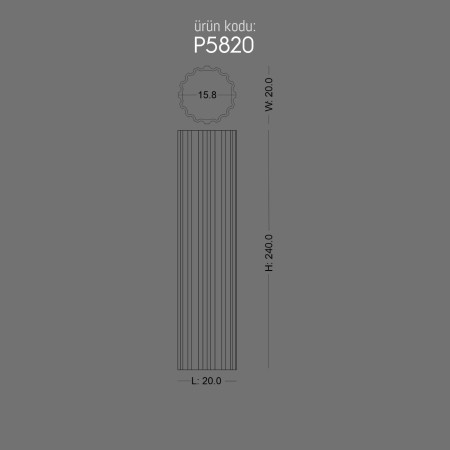
Polyurethane 20 cm diameter fluted straight cylindrical snake column models offer a unique aesthetic in both contemporary and classical space designs. These specially designed columns are an excellent choice for adding structural strength and visual richness. Polyurethane material, known for its lightness and durability, is widely preferred in architectural decoration. The 20 cm diameter fluted and cylindrical columns with snake figures showcase the flexibility and resilience of this material.
The fluted design contributes a timeless classical touch, while the intricate snake figures bring a mythological and historical dimension that blends with modern design concepts. This creates a sophisticated visual impact for a variety of architectural projects.
Applications
These columns are designed to be used in a wide range of spaces such as thematic parks, hotels, restaurants, and private residences. Suitable for both interior and exterior applications, they can be placed in entrances, gardens, lobbies, or serve as a striking focal point in any room. With their versatility, they adapt seamlessly to different design requirements.
Advantages
- Durability and Lightness: The lightness of polyurethane facilitates easy installation, while its resistance to water and weather conditions makes it ideal for outdoor use.
- Aesthetic Variety: The combination of fluted and snake figure designs gives spaces a distinctive character and depth, aligning with unique design themes.
- Long-Term Use: Polyurethane resists decay, rust, and insect damage, ensuring that columns maintain their aesthetic appearance for many years.
- Customization: These columns can be produced in different colors and sizes, allowing seamless adaptation to each project’s specific design preferences.
Conclusion
Polyurethane 20 cm diameter fluted straight cylindrical snake column models are original and aesthetic structural elements designed for modern and classical interiors and exteriors alike. Beyond their mythological and artistic appeal, they provide practical benefits such as strength, lightness, and suitability for varying conditions. In thematic and customized designs, these columns enrich the atmosphere and contribute to an unforgettable visual experience.


20 cm Diameter Patterned column base and pedestal models
Overview
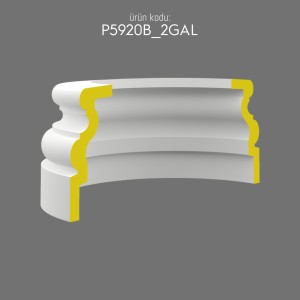
The 20 cm diameter patterned column base and pedestal models play both an aesthetic and functional role in architectural designs. These distinctive elements go beyond conventional architectural features, offering a unique and striking appearance that has the potential to transform any space.
In this article, we will focus on the characteristics, applications, and advantages of patterned column bases and pedestal models.
Design and Features
The 20 cm diameter patterned column bases and pedestal models stand out with detailed craftsmanship and aesthetic variety. Produced from durable materials such as polyurethane, these products are enriched with various patterns and motifs, adding eye-catching detail while providing solid structural support. Whether in classical, modern, baroque, or neo-classical styles, these models strengthen the overall design language of a space.
Applications
Patterned column bases and pedestal models are commonly chosen for entrances, living rooms, galleries, hotel lobbies, and both interior and exterior areas of private residences. These elements not only serve as structural support but also elevate the aesthetic value of the environment. In restoration projects, they are ideal for preserving or recreating the original architectural character of historical buildings.
Advantages
- Aesthetic appeal: Patterned column bases and pedestal models enhance visual richness with intricate details and unique designs.
- Durability: High-quality materials such as polyurethane provide resistance against moisture, water, and external factors.
- Long-lasting use: The durability of the material ensures the products maintain their aesthetic appearance and structural integrity over time.
- Variety: Various pattern and model options are available to suit different architectural styles and project needs.
- Easy installation and maintenance: The lightweight structure of polyurethane column bases and pedestals enables simple installation and requires minimal upkeep.
Conclusion
The 20 cm diameter patterned column base and pedestal models are essential architectural components that add both aesthetic and functional value. With their unique designs and durable structure, these products bring character and depth to any setting. Designed for both modern and classical architectural projects, they are ideal for enhancing visual richness while ensuring reliable structural support.


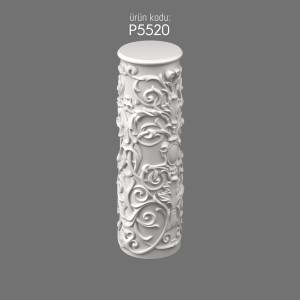


Polyurethane is a material used to make 20 cm circular cylindrical columns, column bases, column heads, and models.
Polyurethane 20 CM Circular Cylindrical Column, Column Base, Column Heads, and Models
Polyurethane, a versatile and durable material, has found extensive use in the architectural domain, particularly in the creation of columns, column bases, column heads, and various decorative models. This article explores the polyurethane 20 cm circular cylindrical column, its base, heads, and the models available for architectural enhancements.
Introduction to Polyurethane Columns
Polyurethane columns are synthetic architectural elements that emulate the appearance and texture of traditional materials such as stone, wood, or marble. They are made from a high-density polyurethane foam that is lightweight, yet strong and resistant to moisture, insects, and decay. This makes them an ideal choice for both interior and exterior applications.
20 CM Circular Cylindrical Column
The 20 cm circular cylindrical column is a popular choice among architects and designers for its elegant proportions and structural capabilities. This dimension refers to the diameter of the column, making it suitable for a variety of spaces and architectural styles. Its cylindrical shape provides a timeless aesthetic, while the polyurethane material ensures durability and ease of maintenance.
Column Base and Heads
The base and head (or capital) of a column are critical for both structural support and aesthetic appeal. Polyurethane column bases are designed to anchor the column securely, while the heads add a decorative touch, often inspired by classical architectural styles such as Ionic, Doric, or Corinthian. These elements are also made from high-density polyurethane, allowing for intricate designs that are difficult to achieve with traditional materials.
Models and Designs
There is a wide range of models and designs available for polyurethane columns, bases, and heads. From simple and sleek to ornate and elaborate, these elements can be customized to fit the specific requirements of any project. Additionally, the flexibility of polyurethane allows for the creation of unique, one-of-a-kind pieces that can add a distinctive character to any building or space.
Advantages of Polyurethane Columns
- Durability: Polyurethane is resistant to environmental factors such as moisture and decay, making it suitable for long-term use.
- Lightweight: Despite their strength, polyurethane columns are lightweight, which simplifies transportation and installation.
- Customizable: The material allows for a high degree of customization in terms of sizes, shapes, and designs.
- Maintenance: These columns require minimal maintenance, as they do not need to be painted frequently and are easy to clean.
Conclusion
Polyurethane 20 cm circular cylindrical columns, along with their bases and heads, offer a modern solution to architectural design and construction. Their durability, lightweight nature, and customizable options make them an attractive choice for a wide range of applications. Whether for new construction or renovation projects, polyurethane architectural elements can enhance the beauty and functionality of any space.
Polyurethane 20 cm circular cylindrical columns, their bases, heads, and models don't have a specific historical significance mentioned. They are likely modern construction or design elements.
Polyurethane, a versatile polymer material, has found its place in various fields, including construction and architectural design. The use of polyurethane in creating 20 cm circular cylindrical columns, column bases, column heads, and architectural models marks a significant evolution in building materials and techniques. This development has not only influenced modern construction practices but also has a profound historical significance. The introduction of polyurethane materials in the mid-20th century was a breakthrough in polymer chemistry. Its unique properties, such as flexibility, durability, and resistance to environmental factors, made it an ideal material for a wide range of applications, including in the construction industry. Polyurethane's adaptability allowed for the creation of detailed and complex architectural elements that were previously difficult or impossible to achieve with traditional materials. With the advent of polyurethane, architects and designers gained a new tool for creativity and innovation. The 20 cm circular cylindrical columns, column bases, and heads made from polyurethane have been widely used in both restoration projects and new constructions. These elements mimic the aesthetic and feel of classical columns made from stone or wood but come with the added benefits of being lighter, more cost-effective, and easier to install. One of the most significant impacts of polyurethane columns and models is in the field of historical restoration. These materials have made it possible to accurately replicate architectural details from historical buildings that require restoration or preservation. This is particularly important for maintaining the architectural integrity of heritage sites, where using original materials may be impractical or unsustainable. In modern architecture, polyurethane columns and architectural models have enabled designers to push the boundaries of traditional designs. The ease of molding and shaping polyurethane into various forms has led to the creation of innovative and complex structures. These advancements have contributed to the development of a contemporary architectural language that integrates both form and function. The introduction and use of polyurethane 20 cm circular cylindrical columns, column bases, column heads, and models have a distinct place in the history of architecture and construction. By facilitating new design possibilities, enhancing the feasibility of historical restorations, and contributing to the efficiency and sustainability of construction practices, polyurethane materials have left an indelible mark on the built environment.The Historical Significance of Polyurethane Columns and Models
The Innovation of Polyurethane Materials
Revolutionizing Architectural Design
Impact on Historical Restoration
Contributions to Modern Architecture
Conclusion
Polyurethane column, 20 cm diameter, includes column base, capitals, and designs.
Polyurethane, known for its remarkable versatility and durability, is widely used in the construction and architectural industry. A notable application is in the manufacturing of columns, including 20 cm circular cylindrical columns, column bases, and column heads. These polyurethane components are prized for their lightweight, strength, and ease of installation. Polyurethane columns are used in a wide range of architectural and construction projects. They serve both structural and decorative purposes in residential and commercial buildings. Common applications include porch columns, column wraps for existing structures, decorative interior columns, and as part of the architectural detailing in facades, lobbies, and entrance ways.Polyurethane Columns: Features and Applications
Overview
Properties of Polyurethane Columns
Applications
The applications for polyurethane 20 cm circular cylindrical columns, column bases, column heads, and decorative models are distinct.
Polyurethane, a versatile and durable material, has become a staple in the construction and decoration industries. Its adaptability is showcased in various applications, including 20 cm circular cylindrical columns, column bases, column heads, and decorative models. These elements, crafted from polyurethane, offer both aesthetic appeal and structural support, making them indispensable in architecture and interior design. The usage areas of polyurethane decoration elements like 20 cm circular cylindrical columns, column bases, column heads, and models are varied, catering to both functional and decorative needs. Each component serves a unique purpose, yet their applications may overlap in enhancing the architectural beauty and integrity of a space. These columns are primarily used for structural support and aesthetic enhancement. They can be found in both exterior and interior spaces, adding elegance and grandeur to buildings, homes, and public areas. Column bases serve as the foundation for cylindrical columns. They are not only structural elements that distribute weight evenly but also decorative pieces that complement the column's design and the overall aesthetics of the space. Column heads, or capitals, sit atop columns, providing a transition from the column to the ceiling or the structure above. They vary in design from simple and functional to intricate and ornamental, depending on the architectural style. Decorative models made of polyurethane range from small ornamental pieces to large architectural features. These can include moldings, frames, and even furniture details, offering endless possibilities for customization and creativity in design. The usage areas of polyurethane in decoration are not strictly separated; rather, they blend together, offering flexibility and innovation in design. Whether for structural purposes, aesthetic appeal, or both, polyurethane elements like 20 cm circular cylindrical columns, column bases, column heads, and decorative models play a crucial role in modern architecture and interior design. Their durability, ease of installation, and visual appeal make them a preferred choice among professionals and homeowners alike.Polyurethane Decoration Elements: Versatility in Design
Distinct Usage Areas
20 CM Circular Cylindrical Columns
Column Bases
Column Heads
Decorative Models
Conclusion
Polyurethane column, base, heads, and models, 20 cm in diameter.
Polyurethane Columns: Enhancing Architectural Beauty
Polyurethane, a versatile and durable material, has found its way into various aspects of building and design, notably in the creation of architectural columns. Among these, the 20 cm circular cylindrical columns, along with their bases and heads, stand out for their elegance and utility. These models not only support structures but also add a touch of classical beauty to modern and traditional buildings alike.
Advantages of Polyurethane Columns
Polyurethane columns offer several advantages over traditional materials like wood, stone, or concrete. They are lightweight, making them easier to transport and install. Despite their weight, they are incredibly durable and resistant to weathering, rot, and pests, ensuring longevity and reducing maintenance costs. Additionally, their versatility in design allows for the replication of intricate patterns and textures, making them suitable for various architectural styles.
20 CM Circular Cylindrical Columns
The 20 cm circular cylindrical polyurethane columns are particularly popular for their proportional elegance and structural integrity. They can be used both indoors and outdoors, serving as decorative elements or structural supports. The columns come in various heights and can be easily customized to fit specific design needs.
Column Bases and Heads
The beauty and functionality of these columns are further enhanced by their bases and heads, which can be as detailed or as simple as required. The bases provide stability and a seamless transition from the column to the floor, while the heads (or capitals) add a decorative touch, often inspired by classical architectural styles such as Ionic, Corinthian, or Doric.
Applications and Uses
Polyurethane columns are used in a wide range of applications, from enhancing the façade of buildings to providing support for porches, patios, and balconies. They are also popular in interior design, adding architectural interest to entryways, halls, and more. With their ability to mimic the appearance of more expensive and heavier materials, polyurethane columns offer an economical yet stylish solution for architectural design.
Conclusion
In conclusion, the 20 cm circular cylindrical polyurethane columns, along with their bases and heads, offer a perfect blend of beauty, functionality, and durability. They provide a practical solution for adding architectural detail and support to buildings, bridging the gap between traditional craftsmanship and modern materials. Whether for new construction or renovation, these columns are an excellent choice for creating lasting impressions.
Can 20 cm circular cylindrical polyurethane columns, including bases, heads, and models, be used on exterior walls?
Polyurethane, a versatile and durable material, is increasingly used in various architectural applications, including exterior wall embellishments. When it comes to enhancing the aesthetic appeal of buildings, polyurethane columns, including 20 cm circular cylindrical columns, column bases, column heads, and other models, offer a viable solution. This article explores the feasibility and advantages of using these polyurethane elements on exterior walls. Polyurethane columns are highly adaptable and can be used effectively on exterior walls. These columns are manufactured to withstand the elements, including UV radiation, moisture, and temperature fluctuations, making them ideal for outdoor use. Additionally, their lightweight nature simplifies installation, reducing labor costs and time. While polyurethane columns offer numerous benefits, there are considerations to keep in mind. It is essential to ensure that the columns are correctly installed and sealed to prevent water ingress. Additionally, choosing high-quality polyurethane products designed for exterior use is crucial to avoid issues such as fading and cracking over time. Polyurethane 20 cm circular cylindrical columns, column bases, column heads, and models are excellent choices for enhancing the exterior walls of buildings. Their durability, ease of maintenance, and design flexibility make them a preferred option for architects and builders looking to add a touch of elegance and longevity to their projects. With proper installation and care, these polyurethane elements can significantly contribute to the aesthetic and structural integrity of exterior walls.Using Polyurethane Columns on Exterior Walls
Feasibility of Using Polyurethane Columns on Exterior Walls
Advantages of Polyurethane Columns
Considerations for Exterior Use
Conclusion
Yes, polyurethane columns and their parts can be painted.
Polyurethane is a versatile material widely used in the construction and decorative industries, especially for columns, column bases, heads, and various architectural models. Its popularity stems from its durability, resistance to moisture and decay, and the fine detail it can replicate. However, one common question arises: Can these polyurethane features be painted? Before painting, it's crucial to properly prepare the polyurethane surface. This preparation typically involves cleaning the surface to remove any dust, grease, or other contaminants. A light sanding may also be necessary to create a surface that the paint can adhere to more effectively. After sanding, it's important to remove any dust with a clean, damp cloth and allow the surface to dry completely. When selecting paint for polyurethane, it's essential to choose a type that is compatible with the material. Acrylic latex paint is often recommended for its flexibility and durability on polyurethane surfaces. Oil-based paints can also be used, but they may require a primer to ensure proper adhesion and to prevent potential reactions between the paint and the polyurethane. The painting process begins with applying a primer, especially if you're using oil-based paint or if the polyurethane is to be exposed to harsh outdoor conditions. Once the primer is dry, you can apply the first coat of paint. Use a brush, roller, or sprayer to achieve an even coat, taking care to cover all surfaces and details thoroughly. Depending on the paint type and the desired finish, one or more additional coats may be necessary, with sufficient drying time between coats. In conclusion, polyurethane columns, column bases, heads, and architectural models can indeed be painted to match or enhance their surrounding decor. With proper surface preparation, the right type of paint, and careful application, these polyurethane features can be beautifully transformed to fit any design aesthetic. Painting not only enhances their appearance but can also provide an additional layer of protection against the elements, ensuring these architectural details maintain their beauty for years to come.Painting Polyurethane Columns and Architectural Details
Preparing Polyurethane Surfaces for Painting
Choosing the Right Paint
Painting Process
Conclusion
How to apply polyurethane on a 20 cm circular cylindrical column, including the base, heads, and models.
Polyurethane is a versatile material used in various architectural applications, including the finishing of circular cylindrical columns, column bases, column heads, and decorative models. Its application enhances durability, provides a protective layer, and adds aesthetic appeal. This guide will walk you through the steps to properly apply polyurethane on a 20 cm circular cylindrical column and its accessories. Start by ensuring that the surface of the column, base, head, and any models are clean, dry, and free of any previous finishes or debris. Lightly sand the surface with fine-grit sandpaper to create a smooth base for the polyurethane to adhere to. Wipe away the dust with a clean cloth, then use a tack cloth to remove any remaining particles. Stir the polyurethane gently to avoid creating bubbles. If you're using a brush or roller, apply the polyurethane in thin, even coats. For intricate designs or hard-to-reach areas, a sprayer might provide better coverage. Apply the first coat and allow it to dry as per the manufacturer's instructions. Once dry, lightly sand the surface again with fine-grit sandpaper to ensure a smooth finish. Remove all dust with a tack cloth before applying the second coat. Repeat this process until you achieve the desired finish, typically 2-3 coats. Allow the final coat to cure completely before handling or installing the column and accessories. Applying polyurethane to circular cylindrical columns and their accessories is a straightforward process that requires attention to detail and patience. By following these steps, you can protect and enhance the beauty of your architectural elements, ensuring they last for years to come.Applying Polyurethane on Circular Cylindrical Columns and Accessories
Introduction
Materials Needed
Preparation
Application
Tips for Success
Conclusion
The difference is in the materials used. Polyurethane models are made from a type of plastic that is durable and resistant to wear and tear. Styrofoam models are made from a lightweight foam that is less durable. Both types come in the same shapes and sizes, like 20 cm circular cylindrical columns, bases, and heads.
When it comes to architectural models and decorations, materials like polyurethane and Styrofoam are commonly used for creating columns, column bases, and heads. Both materials offer unique advantages, but they also have distinct differences that make them suitable for different applications. This article explores the differences between polyurethane and Styrofoam when used for 20 cm circular cylindrical columns, column bases, column heads, and models. Polyurethane is a type of plastic that is formed by reacting a polyol with a diisocyanate or a polymeric isocyanate in the presence of suitable catalysts and additives. It is known for its durability, flexibility, and resistance to wear and tear. Styrofoam, on the other hand, is a trademarked brand of closed-cell extruded polystyrene foam (XPS), which is light in weight, has excellent thermal insulation properties, and is easy to shape and cut. Polyurethane columns are significantly more durable and stronger than their Styrofoam counterparts. They can withstand impacts, resist moisture and are less likely to be damaged during installation or transportation. This makes polyurethane a better choice for outdoor applications or in areas of high traffic where durability is a concern. While both materials provide some level of insulation, Styrofoam is superior in this regard due to its closed-cell structure. This makes Styrofoam columns particularly suitable for applications where thermal insulation is a priority, such as in cold storage rooms or buildings located in colder climates. Styrofoam is much lighter than polyurethane, which can make installation easier, especially for ceiling-mounted columns or decorative elements. The lightweight nature of Styrofoam also means it's less structurally demanding, offering more flexibility in applications where weight is a concern. However, polyurethane's heavier weight contributes to its stability and durability, making it a preferred choice for free-standing columns or models that require a solid base. Both materials have faced scrutiny regarding their environmental impact. Polyurethane is not biodegradable and can release toxic substances if not properly handled or disposed of. Styrofoam, while recyclable in some areas, is not biodegradable and can be problematic in waste management due to its lightweight and volume. However, recent advancements in recycling technologies and the development of more eco-friendly formulations are helping to mitigate these issues. In summary, the choice between polyurethane and Styrofoam for 20 cm circular cylindrical columns, column bases, column heads, and models depends on the specific requirements of the project. Considerations such as durability, thermal insulation, weight, and environmental impact should guide the selection process. While polyurethane offers strength and durability, Styrofoam provides superior insulation and ease of installation due to its lightweight. By understanding the properties and applications of each material, architects and designers can make informed decisions that best meet their needs.Differences Between Polyurethane and Styrofoam Columns
Introduction
Material Composition
Durability and Strength
Thermal Insulation
Weight and Installation
Environmental Impact
Conclusion
The difference lies in the material used. One set is made of polyurethane, while the other is made of plaster polyurethane.
Differences Between Polyurethane and Plaster Columns and Components
When it comes to architectural elements such as 20 cm circular cylindrical columns, column bases, column heads, and models, the choice of material can significantly affect both the aesthetics and functionality of these components. Two popular materials used for such purposes are polyurethane and plaster. Each material offers unique benefits and limitations, making them suitable for different applications and environments.
Polyurethane Columns and Components
Polyurethane is a type of plastic that is highly versatile and durable. It is often used for creating architectural elements because of its ability to replicate the look of more traditional materials like wood or stone, while also offering greater resistance to wear and environmental factors. Polyurethane columns and components are lightweight, making them easier to install. They are also resistant to moisture, which prevents rot, mold, and mildew, making them suitable for both indoor and outdoor use. Furthermore, polyurethane is resistant to insects, ensuring a longer lifespan for the components.
Plaster Columns and Components
Plaster, on the other hand, is a traditional material that has been used for centuries in architectural elements. It is known for its smooth finish and ability to be sculpted into intricate designs. Plaster columns and components offer a classic and elegant look, making them especially suitable for historic restorations or traditional designs. However, plaster is heavier than polyurethane and can be more challenging to install. It is also more susceptible to damage from moisture and impacts, which can limit its use to primarily indoor environments. Additionally, plaster can crack over time, requiring maintenance and repairs.
Comparison and Conclusion
In comparing polyurethane and plaster for use in 20 cm circular cylindrical columns, column bases, column heads, and models, the main differences lie in their material properties and suitability for various environments. Polyurethane offers a lightweight, durable, and moisture-resistant option, ideal for both indoor and outdoor applications. Plaster provides a classic and elegant finish, best suited for indoor use where its aesthetic qualities can be fully appreciated without the concern of environmental damage.
Ultimately, the choice between polyurethane and plaster will depend on the specific requirements of the project, including the desired aesthetic, the environment where the components will be installed, and the budget. Understanding the characteristics of each material can help in making an informed decision that ensures the architectural elements serve their intended purpose while enhancing the overall design.
Polyurethane precast is made from a type of plastic that's tough and resistant to damage, while GRC precast is made from a mixture of cement and glass fibers, making it strong and lightweight.
In the construction industry, precast elements are increasingly popular due to their efficiency and quality. Among these, polyurethane (PU) precast and Glassfibre Reinforced Concrete (GRC) precast are two prominent materials. Each offers unique benefits and is suitable for different applications. Understanding the difference between these two can help in selecting the right material for your construction project. Polyurethane precast refers to the use of polyurethane, a type of polymer, in the creation of building elements. Polyurethane is known for its lightweight, insulation properties, and flexibility. PU precast elements are produced by casting the polyurethane material into molds. This method is widely used for decorative elements, insulation panels, and modular housing components. Glassfibre Reinforced Concrete (GRC) precast is a composite material made of cement, fine aggregates, water, chemical admixtures, and alkali-resistant glass fibers. GRC combines the strength and durability of concrete with the added toughness provided by glass fibers. It is particularly suited for producing thin, lightweight panels and architectural elements that require high strength and flexibility. Choosing between polyurethane precast and GRC precast depends on the specific requirements of the project, including considerations of weight, insulation, strength, durability, and design flexibility. By understanding the unique properties and benefits of each material, architects and builders can make informed decisions that enhance the quality and efficiency of their construction projects.Difference Between Polyurethane Precast and GRC Precast
Introduction
Polyurethane Precast
GRC Precast
Key Differences
Conclusion
Prices for 20 cm circular cylindrical polyurethane columns, column bases, column heads, and models.
Polyurethane columns have become increasingly popular in both residential and commercial construction projects due to their durability, ease of installation, and aesthetic appeal. This guide provides detailed information on a specific type of polyurethane column: the 20 cm circular cylindrical column, including its base, heads, and models, along with pricing information. These columns are known for their lightweight yet sturdy construction, making them a preferred choice for a variety of architectural designs. They resist moisture, insects, and decay, ensuring a long-lasting finish. The 20 cm diameter size offers a versatile option for both interior and exterior applications, from porch posts to decorative interior columns. The 20 cm circular cylindrical polyurethane column comes with a base and column heads, which can be chosen from a range of models to suit different design preferences. The standard model provides a sleek, straightforward look, while ornate models feature intricate designs for a more elaborate aesthetic. Pricing for the 20 cm circular cylindrical polyurethane column varies depending on the complexity of the models and the quantity ordered. On average, the cost for a standard column, including the base and head, starts from $150. Prices increase for customized or more elaborate models and decrease slightly on bulk orders.Polyurethane Columns: A Comprehensive Guide
Overview
Features of Polyurethane Columns
Components and Models
Pricing
Information Gallery
List of detailed descriptions of images in the image gallery.