 ENGLISH
 TÜRKÇE
 ITALIAN


Products




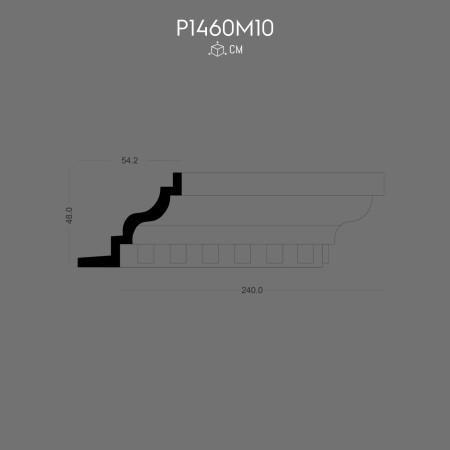

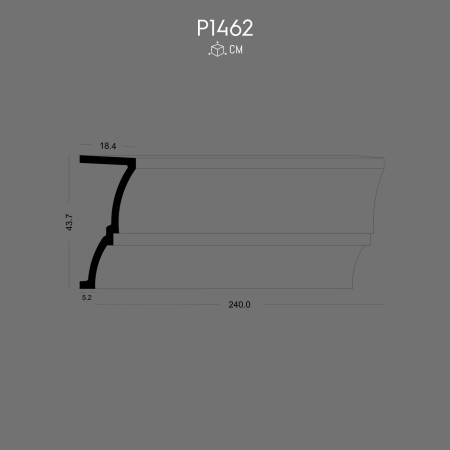
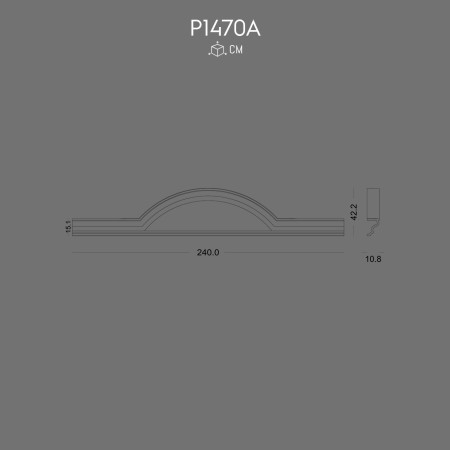


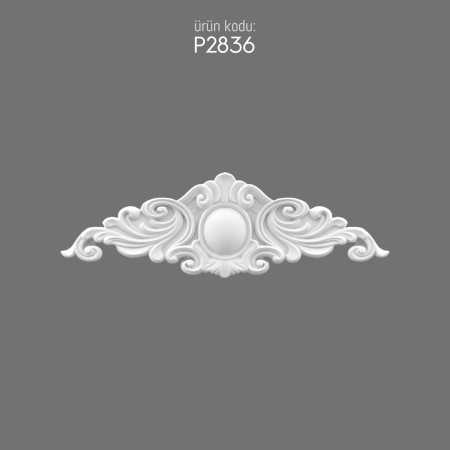




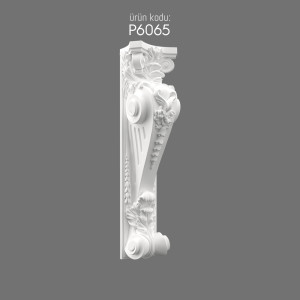
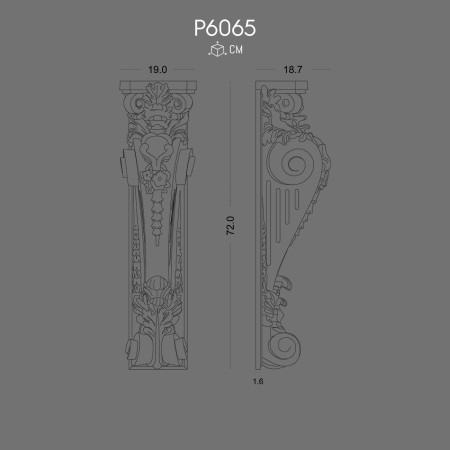


Polyurethane Precast villa exterior decoration coating
From now on we put an end to the conflicts such as villa exterior cladding models villa exterior models villa exterior models villa exterior villa exterior designs We present you with villa designs designed with polyurethane jamb models and real application pictures In order to lead a comfortable life the walls of the villas are not left bare or covered with just a plaster and paint as before With different villa exterior cladding models polyurethane coatings that are additionally mounted on the facades with different materials and systems are applied Polyurethane coatings are quite light with the return of developing architectural technology They do not create a weight that will damage the architectural structure of the villa because they are the same You can use polyurethane Villa exterior decoration products with peace of mind in old buildings

Modern Villa Decoration and Design with Visual Feast Polure
Polure's modern villa decoration and design offers a unique and impressive experience that offers a visual feast. Each villa project attracts attention with aesthetically impressive details, original color palettes and stylistic accents. Polure's expert team creates a stylish atmosphere with modern furniture, lighting and accessories in the interior arrangements. The spaciousness in the villa and minimalist spaces offer comfort and peace. The high quality materials used and carefully selected decoration elements of Polure provide aesthetic integrity in every villa project. Modern villa decoration and design implemented with Polure offers an eye-catching and inspiring living space.

Neoclassical Villa Exterior with Polyurethane Cladding and Elegant Facade Design
Neoclassical Elegance with Polyurethane Facade ElementsThis villa exterior demonstrates the refined appeal of polyurethane cladding in harmony with neoclassical architectural traditions. The balanced symmetry of the facade, along with ornate molding details, creates an elevated sense of style and sophistication. Slender vertical lines and carefully placed recessed panels create a rhythm that highlights the villa's grandeur.The tall windows with wrought iron railings open the interior to natural light while expressing a strong vertical emphasis. The central entrance is framed with pilasters and completed with an arched transom window, introducing a focal point that reflects centuries-old traditions of European villa design. Polyurethane elements lend the opportunity to craft precise shapes and delicate motifs that withstand time and weather.Classical Motifs and Decorative DepthSubtle decorative ornaments, such as floral railing designs and fluted pilasters, connect the modern build with historical influences from ancient Roman and Renaissance villa facades. The roof is accented with dormer-type openings and a balustrade crowning, adding detail to the skyline silhouette of the structure. Lighting fixtures integrated into the facade emphasize the architectural textures during the evening, transforming the villa into a visually striking landmark.Throughout history, architectural orders like Doric, Ionic, and Corinthian have inspired such proportions and motifs. In this modern adaptation, polyurethane achieves the ornamental depth of those classical traditions while providing practical efficiency in installation and weather resistance. The villa seamlessly bridges heritage and modern lifestyle.Durable polyurethane exterior decorationRefined neoclassical proportionsBalanced symmetry and elegant window structuresWrought iron balconies with decorative motifsGrand entrance with arched transom window This neoclassical villa exterior uses polyurethane cladding for refined detailing. The grand facade highlights symmetry through tall arched and rectangular windows. Elegant wrought iron balconies add charm and sophistication. The entryway features pilasters and a prominent arched window. Vertical fluting and recessed panels create depth. Ornamental motifs enhance its timeless elegance. Roof dormers and balustrades accentuate the skyline. Evening lighting highlights architectural reliefs effectively. Landscaping integrates ornamental greenery with balance. Outdoor pathways lead to a welcoming entry statement. Classical traditions inspire modern adaptations throughout the design. Polyurethane elements ensure both durability and fine detail. Historical influences meet practical building technology seamlessly. This exterior style blends tradition with comfort. The result is a villa facade radiating dignity, harmony, and refinement.

Neo Classical Villa Exterior Design with Polyurethane Decorative Elements
Neo Classical Villa Exterior DesignThis villa design presents a strong influence of neo classical proportions with a symmetrical façade, tall fluted columns, and a decorative pediment. The use of polyurethane elements enhances durability while replicating the elegance of stone carvings traditionally used in palatial European structures.The central entrance is emphasized by an arched doorway framed by paired columns, creating an inviting focal point. Above the entrance, a triangular gable showcases delicate geometric motifs and floral reliefs. The windows are framed with slender moldings, while the wrought iron balconies enrich the play of texture and depth across the façade.Historically, such details draw inspiration from classical Greco‑Roman architecture, where symmetry and ornamental balance represented refinement. By merging modern materials like polyurethane, the design reflects both timeless aesthetics and contemporary resilience.Decorative columns with clean grooves for vertical emphasisSubtle floral and ornamental motifs on the pedimentSymmetrical façade ensuring visual harmonyElegant balcony railings in wrought iron finishThis villa exterior exemplifies how classical rhythm and motifs can be revitalized in modern residential settings without leaving behind the spirit of tradition. This neo classical villa showcases a perfectly symmetrical façade that highlights the elegance of historical architecture. Polyurethane components bring lasting durability while adding ornate decorative depth to the residence. The front columns emphasize vertical rhythm and symbolize timeless prestige. Wrought iron balcony railings soften the rigid geometry with delicate artistry. The triangular pediment above the entrance features refined ornamental reliefs. Subtle geometric motifs on the façade integrate balance into the design. Each window frame contributes to visual continuity and unity. Linear grooves on the columns provide strength through vertical repetition. Green landscaping in front enhances the grandeur of the white exterior. The villa draws inspiration from classical ideals yet adopts modern resilience. Decorative polyurethane elements replicate stone with remarkable precision. The result celebrates tradition while embracing innovation. Elegant symmetry ensures an enduring architectural character. The integration of balcony railings, floral reliefs, and pilasters creates richness. Overall, this design captures harmony by blending form, function, and classical luxury.

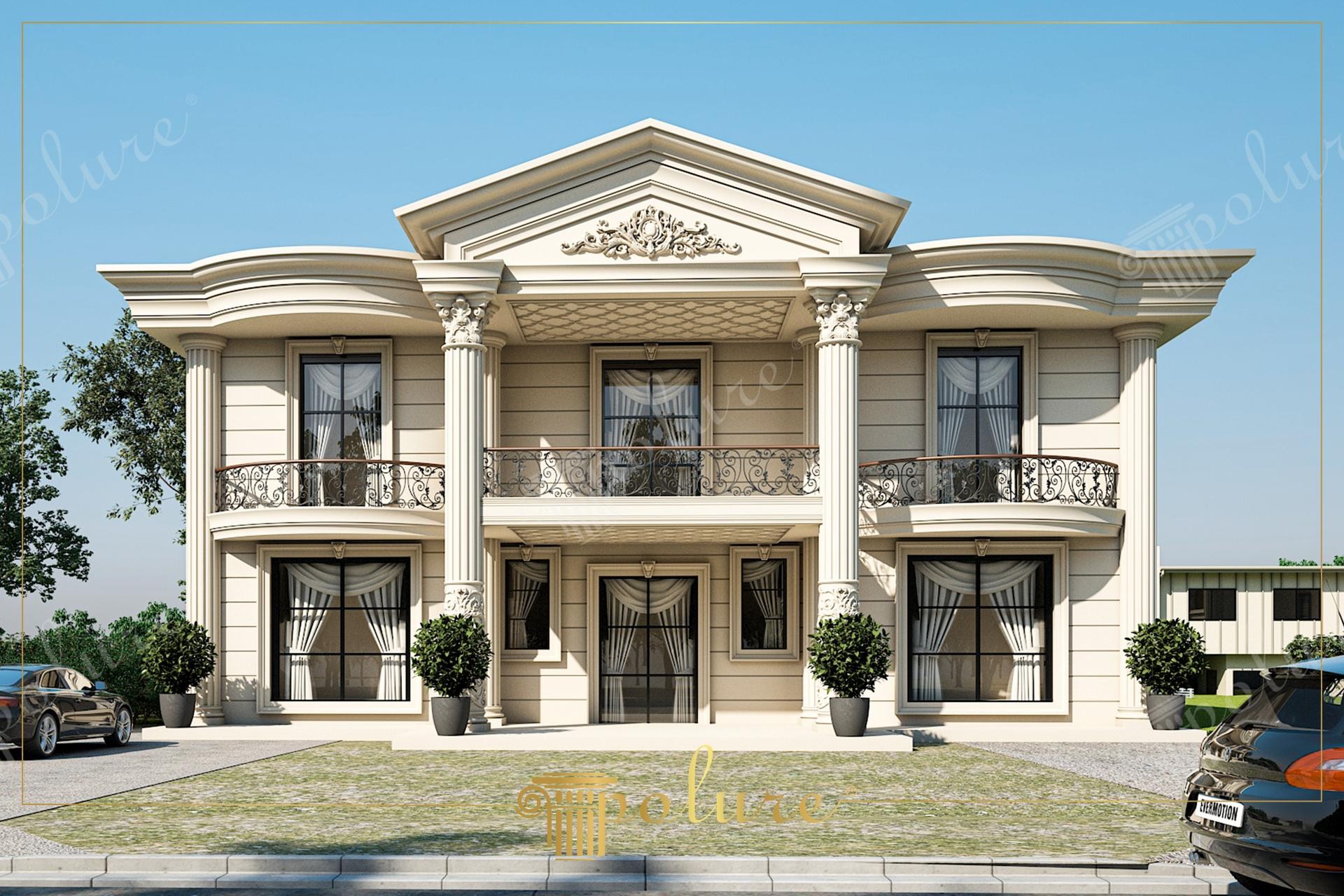
Classical Villa Design with Polyurethane Details and Ornamental Grandeur
Ornamental Grandeur in Classical Villa ArchitectureThe villa presents an elegant fusion of timeless classical style and modern construction techniques. The façade is defined by tall, fluted columns supporting a broad entablature, adorned with richly detailed polyurethane decorations. These details replicate the precision of stone carving while offering the practicality of lightweight materials.The central pediment is decorated with floral bas-relief motifs, adding a sense of ceremonial grandeur. The triangular gable showcases ornamental symmetry, while the underside features lattice-like patterning that enhances both depth and texture. Such detailing recalls noble villas of the Renaissance and was historically inspired by ancient Greek and Roman temples.Balanced Geometry and Refined DetailingThe façade maintains a balanced rhythm of vertical and horizontal elements. The two-story arrangement with paired columns provides monumentality. Wrought-iron balcony railings introduce curved floral motifs, contrasting against the rectilinear wall structure. Each railing panel is crafted with flowing scroll patterns, which complement the classical symmetry of the architecture.The exterior’s pale beige tone emphasizes decorative reliefs by highlighting their shadows. Geometric harmony is achieved through the repetition of columns, rectangular window frames, and circular potted shrubs that guide the eye toward the entrance.Materials and Contemporary AdvantagesThe use of polyurethane components ensures durability while enabling intricate detailing. Unlike stone, these elements are lightweight, resistant to moisture, and easier to install, making them ideal for restoring grand aesthetics with modern efficiency. Such innovations continue the tradition of classical ornamentation in a contemporary context.Tall Corinthian-inspired fluted columnsOrnamental triangular pediment with floral motifsWrought-iron balcony railings with scroll designsDurable and detailed polyurethane decoration This classical villa illustrates how modern design can embrace tradition. The façade is accentuated by tall, fluted columns that frame a central entrance. Ornamental capitals inspired by historical orders create striking vertical accents. A triangular pediment with floral motifs reinforces the monumental character. The soft beige façade color emphasizes depth in relief details. Symmetrical wrought-iron balconies add delicate decorative patterns. The inclusion of lattice-like soffit ornamentation enhances light play and textural interest. Polyurethane decorative elements allow for elaborate detailing without excessive weight. The balance of horizontal and vertical geometry creates architectural stability. Surrounding landscaping complements the classical rhythm. Potted shrubs echo façade symmetry at ground level. The driveway and approach highlight proportion and grandeur. The villa demonstrates harmony between structure and embellishment. Durable modern materials extend design longevity. Ultimately, this residence unites classical inspiration with contemporary innovation.

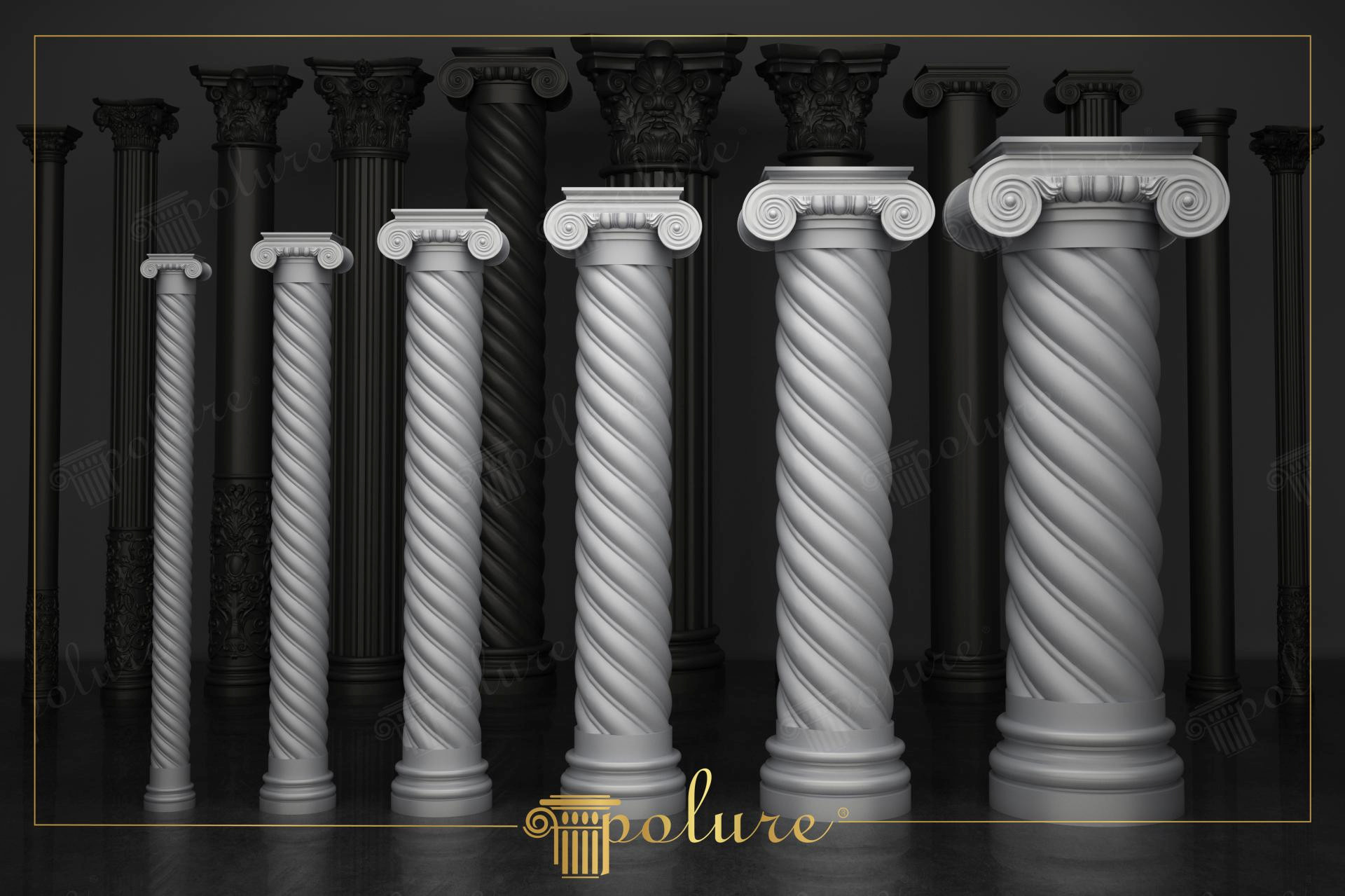
Decorative Polyurethane Ionic Capitals and Twisted Column Designs
Polyurethane Ionic Capitals with Twisted ColumnsThe use of polyurethane in decorative architecture offers versatility and durability, making it a favored material for classical designs. In these models, Ionic capitals are paired with shafts featuring a striking twisted or spiral motif. This detail creates a flowing movement, turning traditional columns into dynamic architectural statements.The Ionic order is known for its distinctive volutes, or scroll-shaped ornaments, which crown the column majestically. Adding the spiral shaft enhances the perception of motion and volume, giving contemporary designers an expanded creative language while maintaining classical identity.These polyurethane columns are both lightweight and resilient, making them easy to install in exterior and interior projects. Their white finish emphasizes the crisp interplay of light and shadow along the twisting grooves, contrasting effectively with darker backgrounds. Historical precedents for twisted shafts can be found in late Roman and Baroque architecture, where spirals symbolized energy and divine ascent.Applications include residential façades, garden pavilions, hotel lobbies, and cultural buildings. When grouped in pairs or sequences, they provide rhythm and ornament to entrances, hallways, and ceremonial spaces. The combination of Ionic capitals and spiral composition ensures both elegance and originality.Resilient polyurethane constructionIconic Ionic volute capitalsDynamic spiral shafts with deep groovesSuitable for interior and exterior use These decorative columns combine Ionic capitals with twisted shafts for timeless architectural elegance. Crafted from resilient polyurethane, they balance lightness and strength in both interior and exterior applications. The spiral grooves create a dynamic play of light and shadow across the surface. Ionic volutes crown the columns, emphasizing their classical heritage. The contrast between white polyurethane and darker backgrounds highlights their sculptural quality. Such designs adapt perfectly to entrances, façades, and ceremonial halls. Twisted shafts echo traditions of late Roman and Baroque structures. This fusion blends ancient inspiration with modern decorative needs. Polyurethane ensures longevity and straightforward installation. Designers can easily integrate these models with diverse architectural styles. The spiral motif adds a sense of ascent and energy. These columns enrich spaces with harmony and rhythm. The Ionic details ensure recognition and continuity of history. Versatile usage enhances both private and public projects. The combination of classical tradition and inventive form makes them unique

Time Defying Elegance Polure Aesthetics in Classic Villa Visuals
Time Defying Elegance The villa visuals displayed under the title of Polure Aesthetics in Classic Villa Images represent classical style villa designs that reflect Polures perfect aesthetic understanding Each villa offers a dazzling atmosphere with its timeless elegance and timeless aesthetics The visuals under the title of Timeless Elegance reveal an exquisite experience where classic villa designs meet Polure aesthetics

The Most Trendy Exterior Villa Designs
Villa Exterior Design with Neoclassical Polyurethane Products Bring Elegance and Durability Together Neoclassical style architecture allows reinterpretation of classical lines with modern touches Polyurethane decorative elements used in villa exteriors attract attention with both their aesthetic appearance and durability Light, long-lasting and easy-to-apply polyurethane products add an elegant and eye-catching air to the exterior of your villa Neoclassical polyurethane exterior decorations include details such as columns, arches, cornices, plasterboards and window frames These decorative elements add magnificence to the structure while also being highly resistant to water, moisture and external weather conditions Compared to traditional materials such as wood or plaster, they do not require maintenance and maintain their first-day elegance for many years Polyurethane products used in neoclassical exterior design offer personalized solutions to villa owners Thanks to different pattern size and color options, it is possible to add aesthetic touches suitable for every structure In addition, thanks to their lightweight structure, they are easy to install and do not increase the static load of the structure If you want to add a timeless elegance and sophisticated look to the exterior of your villa, neoclassical polyurethane decorative products will be a perfect choice This design approach that brings together both traditional and modern elements gives your villa a unique identity

Aesthetic Glass Jamb Combinations with Polure An Innovative Touch to Spaces with Modern Designs
Polure offers an innovative touch to spaces with glass jamb combinations in the projects it shares on its website Glass jamb combinations combined with aesthetic and stylish designs add a modern look to spaces while increasing functionality at the same time You can explore these projects by visiting Polures website
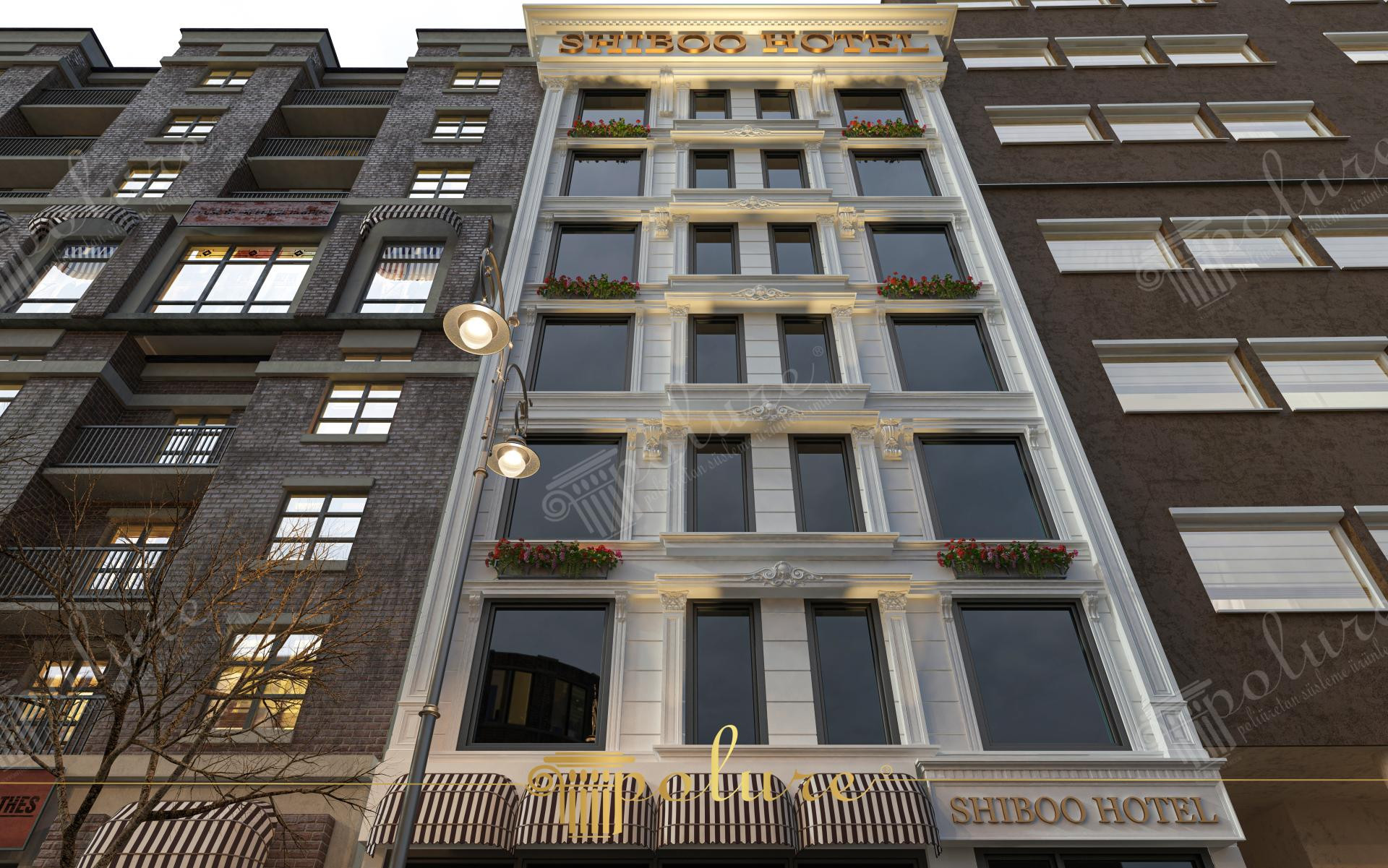
Hotel Exterior Decoration Tips and Suggestions Combining Elegance and Aesthetics
Hotel exterior decoration is an important element that determines the appearance of the hotel. In this article, tips and suggestions will be presented on how the hotel exterior decoration should be. Exterior designs made taking into account elegance, aesthetics and functionality reflect the character of the hotels and create the first impression of the guests. The keywords are hotel exterior decoration. Issues such as elegance and aesthetics will be discussed in detail in the article. The article will focus on the factors you need to consider in hotel exterior decoration, material selection, color preferences, architectural details, lighting and plant arrangements. Choosing an exterior design that suits the style and location of the hotel will strengthen the brand image of the hotel and increase the satisfaction of the guests. In the article, different hotel exterior decoration examples and inspiring design ideas will be shared. Hotel exterior decoration is important to increase the competitiveness of the hotel, create an attractive appearance and provide an unforgettable experience. In our article, you can learn about tips and trends on hotel exterior decoration and decorate your hotel's exterior impressively. Hotel exterior decoration, which combines elegance and aesthetics, ensures that guests have an unforgettable experience. In our article, you can learn the points you need to consider in hotel exterior decoration and discover ways to make the exterior of your hotel attractive.


Polyurethane Ionic Headed Cylindrical Column Models for Classical Exterior Design
Classical Ionic Column DesignsThe polyurethane columns presented here feature a cylindrical design with Ionic capitals, characterized by elegant scroll-like volutes. Their smooth shafts convey a sense of strength and refinement, ideal for projects emphasizing classical elegance and proportion. The capitals contain subtle curves and carved detailing, reflecting centuries-old architectural traditions.Constructed from polyurethane, the material provides a lightweight yet durable solution suited for both interior and exterior settings. These cylindrical forms are versatile, bridging functional support with decorative sophistication. The volute details at the top are a defining attribute of the Ionic order, originating from ancient Greek architecture.Historically, Ionic columns emerged around the 6th century BCE, offering a more ornate and graceful alternative to the Doric style. Today, these timeless proportions continue to embody harmony and refinement.Design Variations and ApplicationsThe models shown demonstrate different base moldings and height variations, allowing adaptation to a wide range of architectural styles. The circular bases include stacked rings that reinforce stability while emphasizing architectural rhythm. Whether used in grand entrances, garden structures, or luxury homes, such columns create a strong visual statement.Smooth cylindrical shafts for clean aestheticsDetailed volute Ionic capitals in crisp geometric formsDurable and weather-resistant decorative materialAdaptable to both traditional and contemporary classical settingsOverall, these polyurethane Ionic columns embody timeless tradition while providing modern ease of installation, making them a perfect choice for architects and designers seeking enduring design solutions. These polyurethane Ionic columns display timeless sculptural artistry. Each cylindrical shaft is designed to emphasize classical geometry. The Ionic capital with volutes symbolizes harmony and balance. Polyurethane offers a durable yet lightweight structural option. Smooth surfaces create refined decorative possibilities. Circular bases reinforce stability and style. Designers use these models in both exterior and interior projects. Classical columns have remained relevant for centuries. Elegance is achieved by combining proportion and detail. The Ionic order blends softness with strength. Architects value structural rhythm and graceful forms. Polyurethane supports long-lasting architectural accents. These columns adapt to diverse design contexts. Their decorative value enhances facades and entrances. They embody classical tradition while meeting modern design demands.

Exterior design of your dream villa
How we design villa exterior models We design all of our work with our own products Our architects are very lucky in this regard because our polyurethane product range is very wide We make our own product molds in-house Since we use high technology in mold making the products are manufactured in accordance with the project A special object or section in the project When necessary our architects communicate with our RD department and share all the details and your result is delivered without any problems
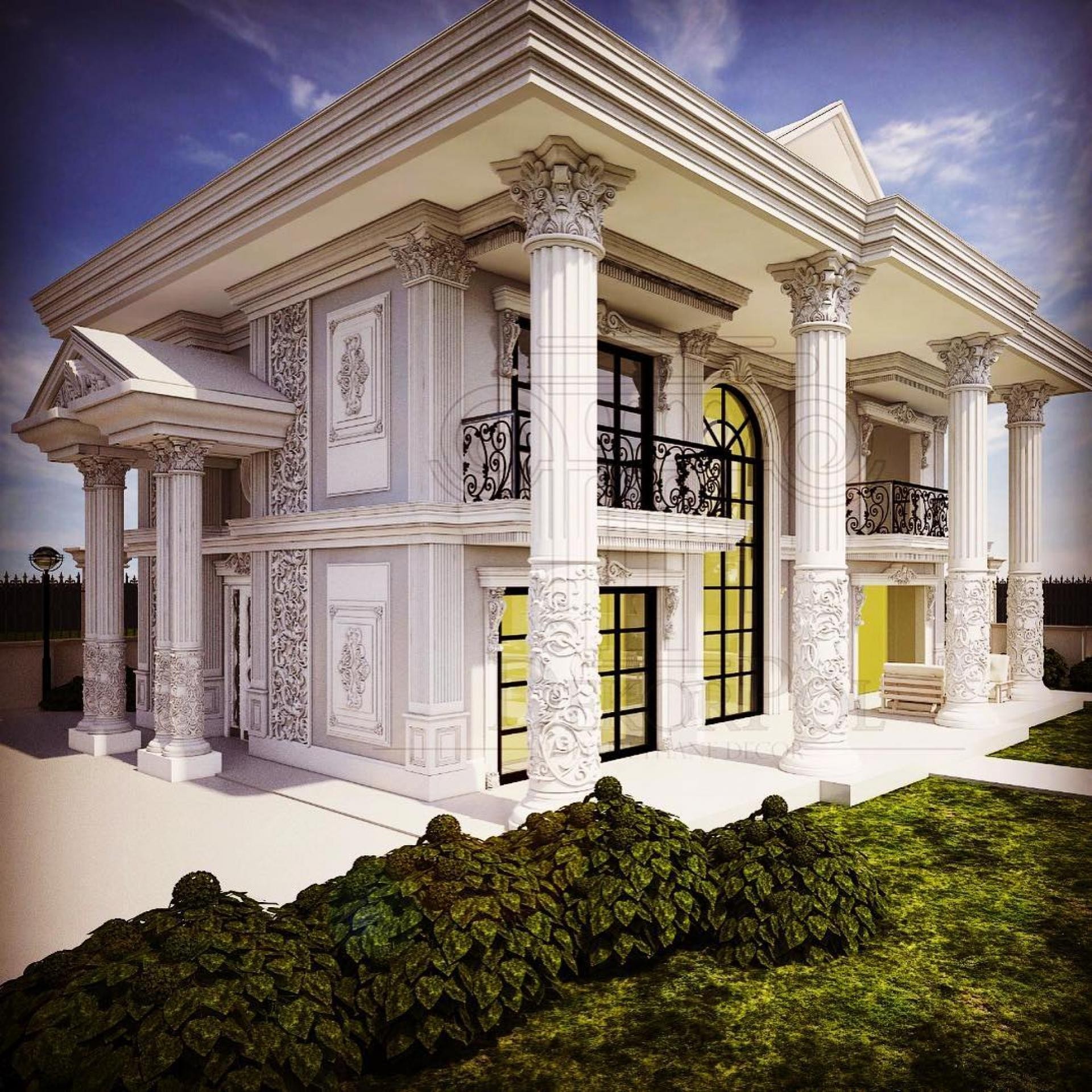
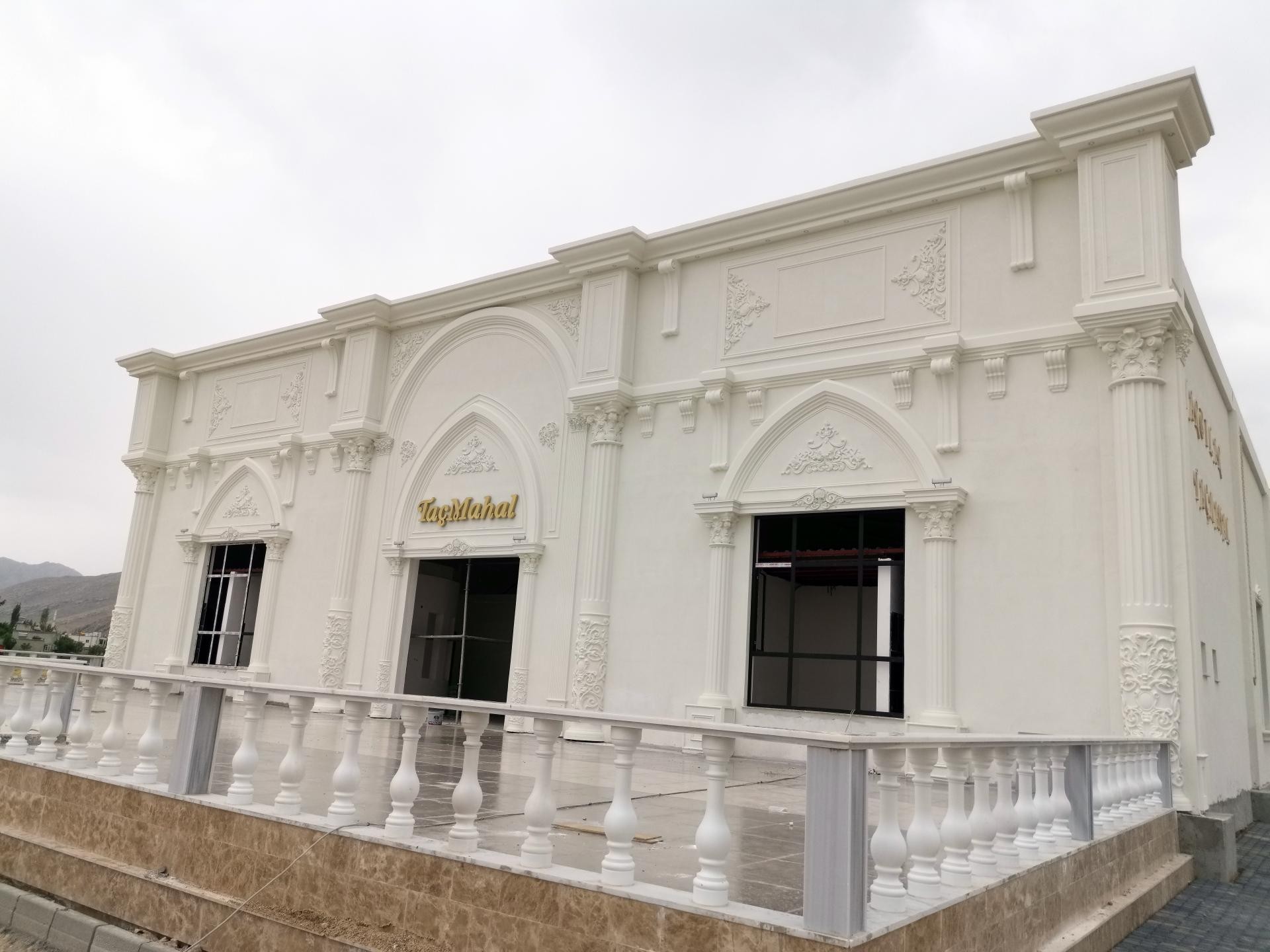
Classical Polyurethane Duplex Villa Exterior with Ornamental Facade Design
Ornamental Villa Exterior DesignThe duplex villa exterior embodies a blend of classical architecture and modern polyurethane applications, giving it both durability and rich detailing. The entire façade is constructed with a focus on symmetry, balance, and rhythm. Decorative panels showcase floral patterns etched in relief, which complement the prominent Corinthian-inspired columns at the entrance. These columns, adorned with acanthus leaf carvings, echo a design heritage that dates back to ancient Roman and Greek structures.A striking feature is the black wrought-iron balcony rails with delicate scrollwork that contrast the crisp white exterior. This interplay of light and dark accents emphasizes the overall grandeur of the villa. The polyurethane material not only replicates traditional stone carvings but also allows for intricate textures including rosettes, arabesques, and vegetal motifs, lending authenticity to the design.Details and OrnamentationThe wall panels are framed with finely crafted moldings that appear like carved sculptures. Above the entrances, triangular pediments with linear accents reinforce the classical vocabulary of the exterior. Wide arched windows framed with strong vertical lines enhance the play of proportion and invite abundant light inside. Ornamental capitals and pilasters contribute to the three-dimensional rhythm of the composition.Polyurethane moldings replicate stone-engraved façades with less maintenance.Floral and geometric motifs enrich the exterior with layers of detail.Rich architectural ornamentation accentuates columns, panels, and balconies.Use of symmetry creates visual balance and timeless elegance.Placing this design within the wider history of architecture, these decorative capitals and moldings echo motifs used in the Renaissance revival and neoclassical movements. The continuity of motifs like acanthus leaves or scrollwork highlights how contemporary villas still embrace ancient aesthetics while incorporating modern building techniques. This classical duplex villa exterior design merges polyurethane craftsmanship with timeless architectural language. Elegant Corinthian-style columns bring a sense of grandeur and history. Intricate bas-relief panels emphasize sculptural artistry on the façade. Large arched windows contribute harmony, proportion, and balance to the structure. Black wrought-iron balconies contrast beautifully with the light cladding. The wall panels are enriched with floral and arabesque carving. Repeated use of acanthus leaf capitals reflects ancient architectural ornamentation. The use of polyurethane moldings ensures durability and detailed design fidelity. The façade demonstrates careful attention to symmetry and rhythm. Triangular pediments enhance the classical influence of the entrance. Decorative motifs balance geometric precision with floral softness. The contrast between textures creates visual depth. This classical villa design offers both elegance and prestige. Modern material applications provide low-maintenance solutions. Overall, the villa represents a sophisticated adaptation of timeless design principles.

Polyurethane Classical Columns with Ornamental Details for Stylish Interiors
Polyurethane Classical ColumnsPolyurethane columns offer a modern solution for achieving a timeless classical aesthetic in interiors. Their lightweight yet durable nature makes them especially practical for decoration projects where traditional stone would be too heavy or costly. The pictured models show vertical fluted shafts combined with richly carved capitals, echoing Corinthian and Ionic styles with volutes and leafy acanthus designs.Two golden pedestals stand out with their baroque-style reliefs filled with swirling foliage and floral motifs. These sculptural details emphasize ornate luxury and provide striking visual contrast with the clean white fluted columns. The whitened structural forms carry subtle shadows that highlight each groove, while the gilded ornamentation reflects light and adds grandeur.Historically, classical columns formed the basis of ancient Greek and Roman architecture, symbolizing structural harmony and order. Today, polyurethane versions recreate this charm without the weight, offering new possibilities in residential and commercial interiors.These decorative elements work well as room dividers, entry accents, or focal supports in halls, seamlessly blending with modern furniture or traditional ornamented settings. Patterns, repetition, and geometric rhythm make them versatile design features that enrich spatial composition.Lightweight and easy to installIntricate ornamental reliefsDurable polyurethane constructionSuitable for classic and modern spaces Polyurethane classical columns provide elegance and strength for interior projects. Their lightweight nature makes installation straightforward. The fluted shafts reflect ancient Greek and Roman influence. Capitals with acanthus leaves and volutes enhance detail. Golden pedestals bring ornamental richness. Their foliage patterns add baroque extravagance. Geometric fluting ensures visual rhythm. Shadows and highlights enhance decorative relief. These design elements integrate with both traditional and modern spaces. They serve as focal points in living rooms and entrances. Polyurethane ensures durability in long-term use. Historical references are echoed in their motifs. Interior decoration benefits from their timeless style. They balance structural order with ornamental luxury. Such interiors gain both harmony and grandeur.

Polyurethane Plaster Columns Ion Plaster Heads and Grooved Column Models
Polyurethane Plaster Columns Ionic Plaster Headings and Grooved Column Models Modern Interpretation of Classical Architecture Combining the elegance and aesthetics of classical architecture with the functionality of modern structures is a frequently sought-after solution in today's architectural projects. Polyurethane material offers an ideal option to achieve this goal. Polyurethane plaster columns Ionic plaster headings and grooved column models reinterpret classical architectural elements in modern buildings, bringing together aesthetics and durability. In this article, we will examine the features, usage areas and importance of these elements in architecture.

Luxury Classic Villa Exterior with Polyurethane Detailing and Elegant Pool Design
Luxury Villa Exterior with Polyurethane AccentsThe exterior of this classic villa demonstrates the beauty of polyurethane decorations, blending lightness and durability with timeless architectural elegance. Columns, moldings, and cornices are enriched with symmetrical grooves and ornamental profiles, highlighting a refined structure enhanced by sophisticated geometry. The architecture combines balanced proportions with expansive arched windows, allowing natural light to flow through the living spaces.The pool courtyard is designed with fluid shapes that contrast with the villa’s rectilinear walls. Subtle fountains bring movement to the water surface, while sun loungers and shaded areas provide comfort. The landscaping integrates manicured shrubs, stone pathways, and linear fencing with artistic ironwork that recalls traditional European gardens.In architectural history, the use of arches and columns dates back to Roman and Greek orders, and here these classical motifs have been reinterpreted with modern polyurethane details. This fusion allows decorative richness without compromising structural efficiency, creating a harmonious mix of tradition and innovation.Design Features and Decorative DetailsElegant arched window frames with polyurethane moldings.Ornamental columns supporting arcades with beveled edges.Wide cornices detailed with scribed patterns reflecting classical motifs.A pool surrounded by strong geometry and landscaped greenery.Iron fences with vertical spikes and stone-capped columns for perimeter aesthetics.The villa expresses both grandeur and serenity, merging classic elegance with contemporary lifestyle needs. The deliberate combination of luxury and natural openness exemplifies the architectural mastery behind its conception. This luxury villa exterior highlights refined polyurethane decorative details that blend durability with elegance. The arched windows framed in white moldings emphasize balance and symmetry across the facade. Carefully sculpted cornices and columns enhance the architectural rhythm. The pool area features geometric layouts that create harmony with the structured villa walls. Sun loungers and shaded seating provide a sense of resort comfort. Landscaping integrates shrubs, pathways, and natural greenery seamlessly. Classical inspiration is visible in the use of arches and ornamental motifs. The combination of modern materials with timeless design imparts sophistication. Exterior lighting along the perimeter adds accents of security and style. The fencing showcases metalwork artistry with pointed designs. Water fountains within the pool introduce movement and serenity. Trimmed greenery softens the boundaries between stone and structure. The architectural composition conveys classic luxury reimagined for contemporary life. Polyurethane detailing ensures lightweight versatility without losing strength. Ultimately, the entire design reflects the enduring appeal of classic villa aesthetics.
Product Categories
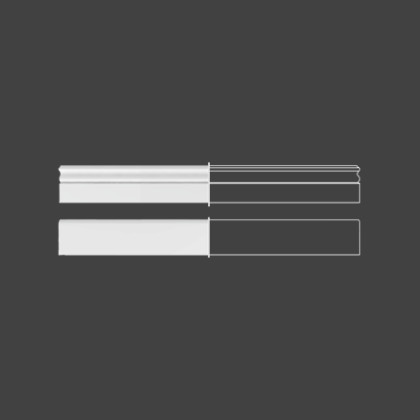
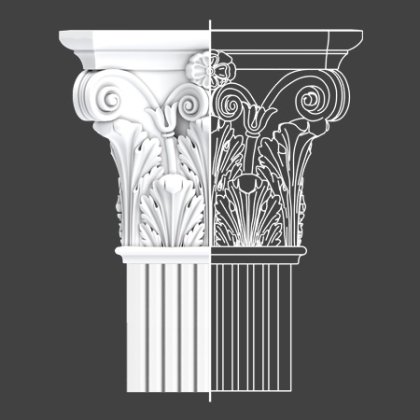
Classic Detached Facade Designs with Polyurethane Decorative Elements
Elegant Polyurethane Use in Classical Facade Design
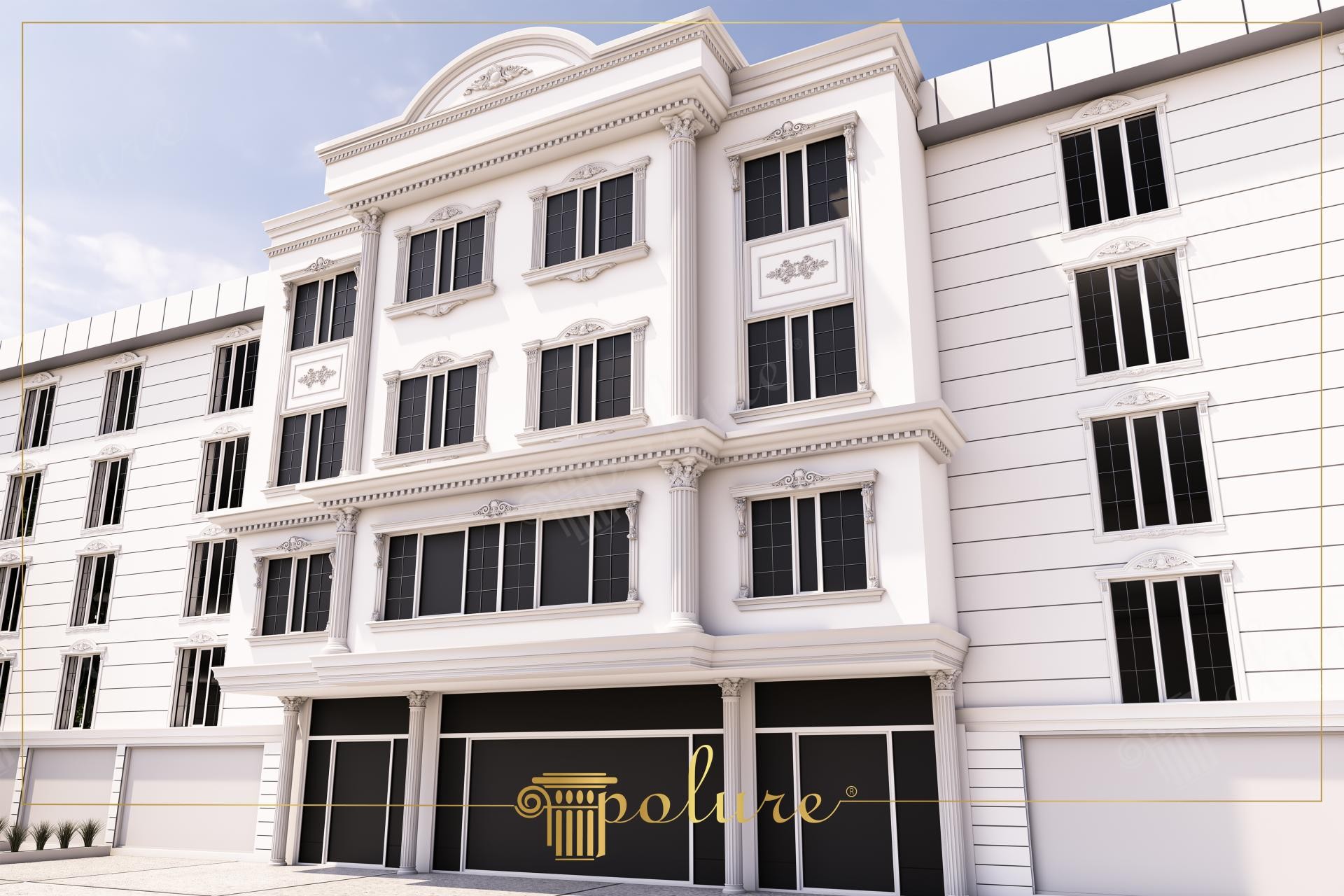
The facade design demonstrates how polyurethane elements can transform a detached building into a refined architectural statement. Decorative motifs and linear ornaments surround the windows, creating visual balance and classical elegance. Intricate cornices frame the upper levels, adding depth and shadow play to the surface.
The lower section of the building is strengthened by slender columns and pilasters, grounding the overall design with a sense of proportion. Above the windows, relief ornaments incorporate both floral-inspired and geometric patterns, forming a consistent decorative rhythm across the facade.
Polyurethane has become a favored material in such applications due to its lightweight, moisture-resistant qualities, and its ability to be shaped into complex forms without the cost of carved stone. This makes it ideal for classical restorations or modern reinterpretations of neoclassical facades.
Historical Echoes in Modern Application
Classical ornaments such as triangular pediments and elaborate keystones were historically carved from stone in Greco-Roman and Renaissance architecture. Using polyurethane for these features allows designers to echo this tradition affordably while preserving the aesthetics of symmetry and fine detailing.
The visual effect combines strong geometric order with decorative richness, resulting in a facade that feels both stately and welcoming. With its repetitive motifs and harmonious proportions, this design exemplifies how functional modern construction can be elevated with timeless decorative choices.
- Durable and weather-resistant material
- Enhanced detail through fine ornamental moldings
- Balanced proportions using columns and pilasters
- Seamless blend of classical motifs with modern efficiency
This facade design showcases the versatile role of polyurethane in classical detached architecture. The windows are framed with ornate motifs that highlight symmetry and elegance. The upper cornices emphasize layering and bring depth to the walls. Decorative columns at the lower level create a sense of proportion and stability. Subtle floral reliefs tie the facade together with organic touches. Strong linear geometry guides the viewer’s eyes upward to the structured arrangement of the windows. Historical references to Greco-Roman design echo in the detailed molding. Polyurethane allows these elements to be recreated with lightweight practicality. The repeating motifs give rhythm to the facade’s composition. Balanced ornamentation reflects the ideals of classical architectural harmony. The design integrates functionality with timeless aesthetic choices. Durable materials ensure resistance against weathering over time. Decorative richness coexists with structural efficiency. This classical reinterpretation demonstrates how modern needs meet traditional artistry effectively. The facade becomes a statement of both beauty and practicality.
Information Gallery
List of detailed descriptions of images in the image gallery.