The Architectural Power of Clean Lines: Column Designs
Combining the structural grandeur of classical architecture with modern design principles, our Column category is one of the most effective decorative elements for adding vertical depth and structural order to any space. Free from intricate ornamentation, these elements feature clean, smooth surface lines that fit seamlessly into everything from minimalist interiors to large-scale exterior projects. Manufactured using high-density rigid polyurethane (PU) technology, these products deliver the aesthetic weight and presence of marble while completely eliminating the fragile nature of traditional plaster. While non-load-bearing, they visually elevate ceiling heights, offering practical solutions for architects and designers aiming to create a prestigious atmosphere.
Dimensional Variety and Design Flexibility
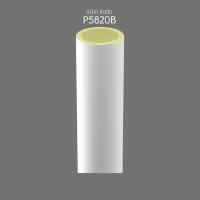
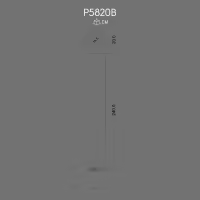
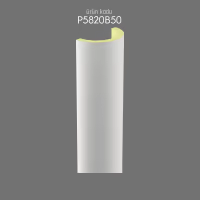
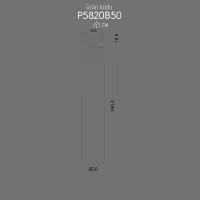
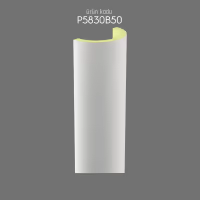
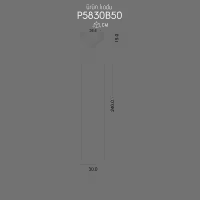
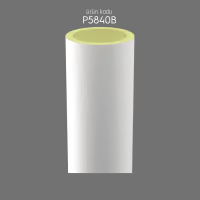
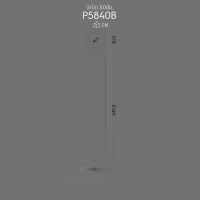
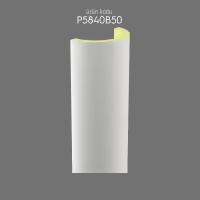
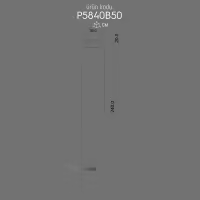
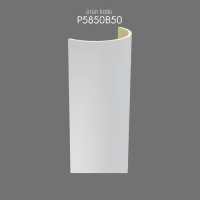
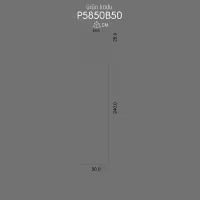
We offer a wide range of sizes to suit different spatial scales. For instance, the P5820B model, with its 200 mm shaft diameter, offers ideal proportions for narrower corridors, boutique hotel rooms, and residential transitional areas. For grander projects, spacious hotel lobbies, or villa entrances, majestic alternatives like the 400 mm diameter P5840B are preferred. The greatest advantage of plain column shafts is their versatility; they can be combined with various capitals and bases to offer endless design possibilities. When paired with Doric, Ionic, or Corinthian capitals, these shafts exhibit a neoclassical stance, while combining them with minimalist capitals yields a completely modern style. For those looking to create a column effect on wall surfaces, our P5820B50 or P5830B50 half-column (pilaster) models offer the easiest way to add depth to rooms without sacrificing floor space.
Advanced Polymer Technology and Durability Standards
At the heart of our products lies a closed-cell structure that provides a complete shield against moisture, water, and outdoor weather conditions. With a density of 150-200 kg/m³, this rigid foam material offers a surface hardness close to wood while providing ease of installation due to its lightweight nature. Unlike wood, this special formula does not rot, warp, or crack over time due to humidity, maintaining its dimensional stability for many years. Contributing also to thermal and acoustic insulation, this technology easily accepts all types of water-based and synthetic paints thanks to its factory-applied primer coat. For exterior applications, applying a topcoat with UV-protective paint is critical to prevent the degrading effects of sunlight. Thanks to its flame-retardant structure, it has self-extinguishing properties once the flame source is removed.
Aesthetic Zoning in Open-Plan Spaces
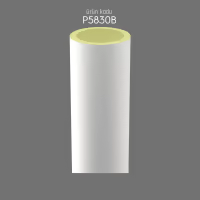
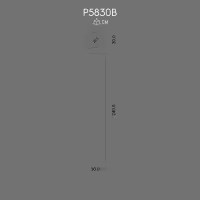
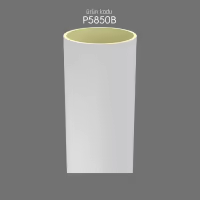
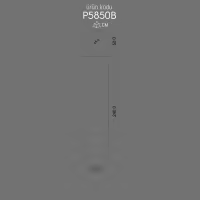
The trend of removing walls to create spacious areas in modern interior design brings with it the need to define distinct zones. Column models are an ideal instrument for aesthetically defining boundaries between dining rooms and living areas, or wide hallways, without completely closing them off. Mid-sized models like the P5830B series create a structural focal point at the start of stair railings or beneath transitional arches. In high-ceilinged designs like loft apartments, monumental shafts like the P5850B are used to balance the void between floor and ceiling. The smooth surface structure reflects the play of light in its purest form, beautifully complementing interior lighting designs.
Usage Areas
<p>Column elements have a wide range of applications, from cozy residential spaces to prestigious commercial facades. Indoors, they are used to create focal points in spacious living room entrances, hallway transitions, bedroom headboard designs, and fireplace surrounds. They are highly favored in commercial venues where visual impact is paramount, such as hotel reception areas, VIP sections of restaurants, convention centers, and wedding halls. On exteriors, full-length columns positioned on both sides of residential and villa entrance doors give buildings a monumental entrance identity. Vertical rhythm is added to facade architecture through under-balcony supports, corner claddings integrated with floor moldings, and pilaster (half-column) applications placed on both sides of windows. Thanks to a water absorption rate of less than 1%, they remain completely unaffected by outdoor elements like rain, snow, and humidity.</p>
Installation
<p>Column installation is completed quickly and cleanly when the correct technical steps are followed. The floor and ceiling surfaces where the application will be made must be dry, clean, and free of dust. A laser level should be used to ensure the accuracy of the vertical axis. Smooth cuts should be made using a fine-toothed hand saw or professional miter saws for required height adjustments. Silicone adhesives must absolutely NOT be used for bonding; instead, high-strength, specialized PU adhesives such as Polure Polfix should be preferred. After applying the adhesive, the material must be pressed firmly into place, and mechanical fastening using screws is MANDATORY. Post-installation joints and screw holes should be filled with exterior-grade putty, and once dry, smoothed with 180-220 grit sandpaper. Finally, a primer should be applied to the surface, followed by at least two coats of paint. Using UV-resistant paint on exteriors is essential.</p>
Care Information
<p>Maintenance of column elements made of rigid foam material is extremely practical. Thanks to its closed-pore structure, dust and dirt cannot penetrate the surface. For periodic cleaning, a damp, soft cloth and water with a mild, non-abrasive detergent are sufficient. Exterior applications can be easily cleaned by spraying directly with water. Any minor dents or scratches that may occur on the surface due to impacts can be filled with acrylic putty, lightly sanded, and spot-painted. This repairability ensures that polyurethane elements preserve their day-one aesthetics for over 20 years.</p>