

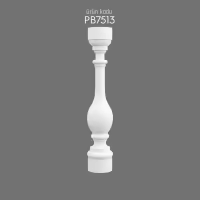
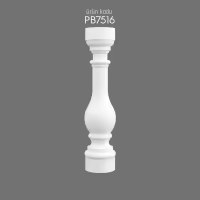


Handrail and balustrade architectural systems are essential building blocks that define boundaries, ensure safety, and create an aesthetic rhythm in classical and neoclassical design languages. Developed by Polure, these high-density rigid polyurethane vertical support units offer the visual richness of heavy masonry or marble while bringing the technical ease of modern engineering to your construction site. For architects calculating static loads and property owners seeking long-lasting elegance, these designs provide structural solutions perfectly adapted to outdoor conditions.
Technical Versatility for Diverse Scales
Our extensive product range offers various size alternatives optimized for the volumetric needs of your projects. Correct scaling is directly related to the overall proportions of the facade:
- PB4014 (140x140x400 mm): Preferred in areas requiring limited height, decorative boundary lines, or low parapet applications.
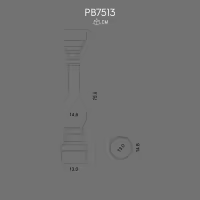
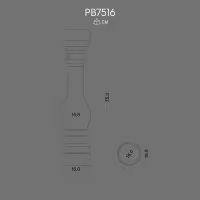
- PB7513 (146x146x750 mm) and PB7516 (168x168x750 mm): These mid-segment designs meet standard railing height requirements, providing rhythmic continuity on stairs and balconies with their balanced body structure. The PB7516 model increases visual mass with its wider profile.
- PB9013 (151x151x900 mm): Displays a robust and dominant presence on wide terraces, monumental stair entrances, and grand projects requiring distinct boundaries.
Material Technology and Technical Advantages
Compared to traditional materials, these specialized polyurethane vertical support elements provide numerous structural advantages to the building:
- Lightweight and High Density: With a density range of 150-200 kg/m³, they offer surface resistance close to the hardness of wood while being approximately 90% lighter than concrete and marble. This feature minimizes the dead load on cantilevered building projections.
- Water and Moisture Resistance: Thanks to its closed-cell structure, the water absorption rate is below 1%. This prevents cracking during freeze-thaw cycles and completely eliminates biological corrosion risks such as decay, insect infestation, or mold.
- Thermal Stability: Retains its shape without expanding or contracting under temperature fluctuations ranging from -20°C to +80°C.
- Fire Rating: It features a highly flame-retardant, self-extinguishing structure once the flame source is removed.
Architectural Identity and Surface Quality
Delivered with a factory-applied special primer, these products achieve perfect compatibility with water-based and synthetic paints. Our high-detail molding technology ensures smooth lines and sharp motifs. The fluted profiles inspired by classical Roman column orders add a historic touch to your projects while delivering timeless visual value.
Usage Areas
Handrail and balustrade elements are widely used in both interior and exterior spaces of prestigious projects. Externally, they form the main structural lines on villa entrance stairs, spacious terrace boundaries, mansion balconies, and decorative borders atop garden walls. Internally, they are indispensable as authentic restoration elements for grand spiral staircases in hotel lobbies, safety barriers in duplex residential voids, and historical building renovations.
Installation
To ensure a long-lasting and secure structure, installation steps must be meticulously followed: The installation surface must be clean, dry, and level. Precise miter cuts should be made at 45-degree joints. Never use standard silicone for bonding; instead, high-strength PU-based adhesives such as Polure Polfix must be preferred. For safety, mechanical fastening with screws is mandatory in railing systems. After covering screw heads and joints with exterior filler, the surface should be sanded smooth with 180-220 grit sandpaper, primed, and finished with at least two coats of paint. The use of UV-resistant paint is essential for outdoor applications.
Care Information
Manufactured with rigid foam technology, our handrail and balustrade units require minimal maintenance. For surface cleaning, a damp cloth and mild soapy water free of abrasive chemicals are sufficient. Dust accumulation due to air pollution on exterior facades can be periodically washed off with water. In outdoor applications, to maintain the UV-protective properties of the paint, reapplying paint every few years depending on regional climate severity will keep the product looking as pristine as the first day.